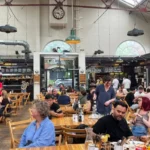
Altrincham has long embodied the quintessential English market town, blending medieval origins with vibrant contemporary life. Its identity remains rooted in centuries of trade, community gatherings, and resilient growth, making it a compelling subject for evergreen exploration.
- Origins of Altrincham’s Market Charter
- Medieval Growth and Burgage Economy
- Industrial Transformation and Resilience
- Iconic Market House and Modern Revival
- Cultural and Architectural Heritage Markers
- Community Identity Through Markets and Events
- Economic Impact and Future Sustainability
- Altrincham in the Greater Manchester Context
- Enduring Symbols and Personal Stories
Origins of Altrincham’s Market Charter
In June 1290, Hamon de Massey V, the Lord of the Manor, granted Altrincham its pivotal charter as a Free Borough, establishing the foundation of its market town identity. This document, still preserved by Trafford Council, empowered local burgesses to form a merchants’ guild, regulate trade, and impose tolls on goods passing through the area. The choice of Altrincham over nearby Dunham for this development stemmed from its strategic road access, ideal for commerce in an era dominated by agriculture.
The charter ushered in weekly markets that persist to this day, transforming the town into a bustling hub. By 1348, Altrincham boasted 120 burgage plots—rectangular land parcels perpendicular to main streets, signifying its status alongside Cheshire towns like Macclesfield. These plots housed two- or three-story timber-framed buildings fronting the roads, with farmland extending behind, a layout that visually reinforced the town’s commercial focus. This medieval planning not only facilitated trade but also fostered a sense of communal ownership among free men, or burgesses, who governed the guild.
Early fairs, such as the Altrincham Fair renamed St James’s Fair or “Samjam” in 1319, further solidified this identity. Held annually until 1895, these events featured a Court of Pye Powder—a hasty tribunal for settling market disputes—presided over by the mayor, ensuring fair dealings amid the dusty-footed traders. Such institutions highlighted Altrincham’s role as a socioeconomic anchor in medieval Cheshire, where markets were rare and vital.
Medieval Growth and Burgage Economy
Altrincham’s medieval prosperity hinged on its market’s ability to draw farmers, artisans, and merchants from surrounding villages. Agriculture dominated employment, with local produce like dairy, grains, and wool traded alongside imported goods via regional roads. The town’s layout, with its grid of burgage plots, was deliberately designed to maximize trade efficiency, perpendicular alignments allowing easy access from homes to market stalls.
By the 14th century, this system had elevated Altrincham above neighbors like Stockport and Knutsford in burgage count, a key measure of urban importance. Burgesses enjoyed privileges such as tax exemptions and self-governance, cultivating a proud mercantile class that invested in stone churches and public wells. Stamford Park, originally common grazing land, emerged as a communal space for livestock markets, intertwining rural and urban life.
Yet, this era was not without challenges. The Black Death in 1349 disrupted trade, and 15th-century economic shifts led to temporary decline. Recovery came through renewed fairs and guild regulations, preserving the market’s centrality. Historians note that Altrincham’s charter was forward-thinking, predating similar grants in many English towns and embedding trade as its eternal identity.
Industrial Transformation and Resilience
The Industrial Revolution marked a pivotal evolution for Altrincham’s market town character without erasing it. Extension of the Bridgewater Canal to the town in 1765 spurred industrial activity, transporting coal and cotton, while the railway’s arrival in 1849 connected it to Manchester’s mills. Broadheath, on the outskirts, developed into a major industrial estate, drawing factories for engineering and textiles.
Despite this shift, the market endured as the town’s heart. Weekly gatherings continued, adapting to sell factory-made goods alongside farm produce. The 1879 Market House formalized operations, providing covered stalls that symbolized permanence amid rapid change. Employment diversified, but market trade remained a cultural staple, with families passing down stallholder roles across generations.
This duality—industrial expansion paired with market continuity—defined Altrincham’s identity. While Manchester boomed as an industrial giant, Altrincham retained a village-like intimacy, its markets offering respite from factory drudgery. By the late 19th century, annual fairs had waned, but the core market thrived, underscoring the town’s adaptability.
Iconic Market House and Modern Revival
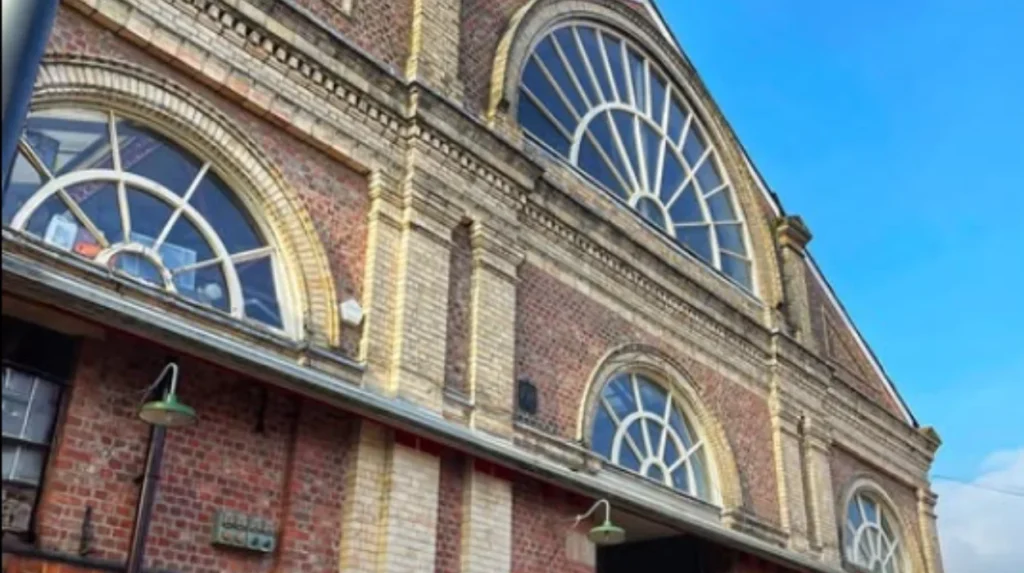
Altrincham’s Market House, rebuilt in 1879 on the historic Market Street site, stands as an enduring emblem of its identity. This Victorian structure, with its clock tower and iron-framed roof, hosted bustling trade in meat, fish, and produce until decline in the late 20th century. Supermarkets and out-of-town shopping eroded footfall, prompting a crisis in the 2000s.
Revival efforts, led by Trafford Council in 2013 with entrepreneurs Jenny and Nick Johnson, reimagined the market as a gourmet destination. Street food stalls, artisanal bakers, and international cuisines replaced traditional fare, earning awards and drawing crowds from across Greater Manchester. This “modern market town” initiative preserved the charter’s spirit while appealing to contemporary tastes, boosting local businesses by 30% in visitor spend.
Today, the market operates Tuesday to Saturday, blending heritage with innovation—think Cheshire cheese alongside Korean street food. Events like the Altrincham Food Festival reinforce community bonds, echoing medieval fairs. This renaissance has cemented Altrincham’s reputation as Trafford’s foodie hub, where market identity drives economic vitality.
Cultural and Architectural Heritage Markers
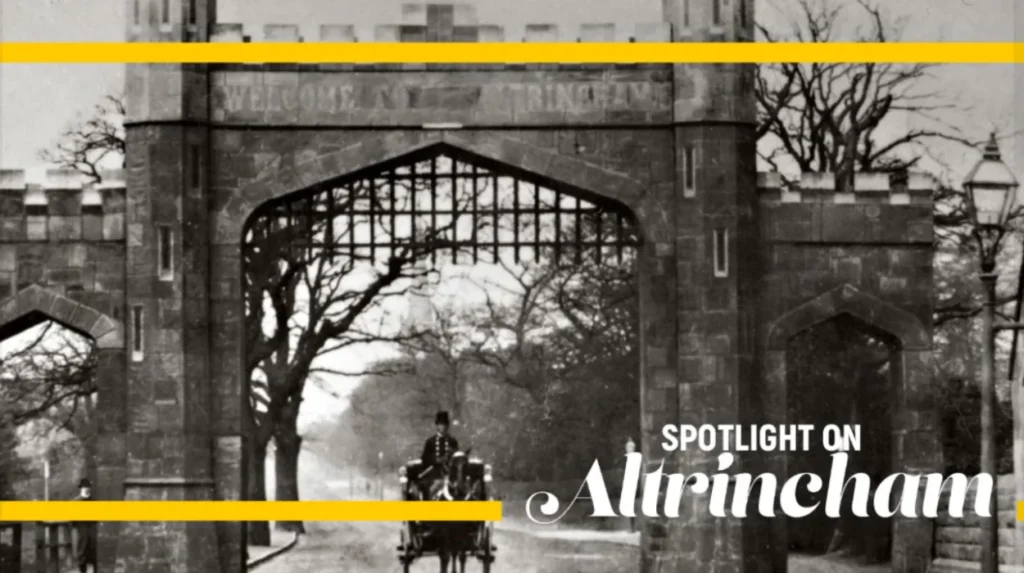
Altrincham’s built environment vividly reflects its market town soul. The Grade II-listed Market House anchors Market Street, surrounded by 16th- and 17th-century black-and-white timber buildings that once housed merchants. Dunham Massey deer park, nearby, supplied venison to markets, linking rural estates to urban trade.
St. George’s Church, rebuilt in the 19th century on medieval foundations, overlooks the market, its peal of bells signaling trading days since 1705. Narrow alleys like Goose Green, named for poultry markets, evoke dusty medieval paths. These features create a palimpsest of history, where every corner whispers of burgage life.
Preservation efforts by Altrincham Heritage highlight this legacy. Local campaigns restored facades and pedestrianized streets, enhancing the town’s charm. Architecture thus sustains identity, attracting tourists who photograph the Market House as much for Instagram as for history.
Community Identity Through Markets and Events
Markets have always been Altrincham’s social glue, fostering identity beyond commerce. Medieval Samjam fairs featured jugglers, alehouses, and matchmaking, much like today’s artisan markets with live music and family crafts. These gatherings build intergenerational ties, with stallholders like the Johnson family embodying continuity.
Annual events amplify this. The Victorian Market and Food Festival in summer draws 20,000 visitors, celebrating charter heritage with costumed traders. Christmas markets transform the square into a twinkling wonderland, sustaining year-round vibrancy. Residents proudly identify as “Alty folk,” their market allegiance rivaling football loyalties.
This communal ethos extends to governance. The charter’s burgess legacy influences modern town councils, advocating for pedestrian-friendly designs. Markets thus nurture a resilient identity, weathering economic shifts while remaining the pulse of local life.
Economic Impact and Future Sustainability
Altrincham’s market identity fuels a £50 million annual economy, supporting 500 jobs in hospitality and retail. Post-2013 revival, footfall tripled, spilling benefits to independent shops on nearby streets. As a counterpoint to Manchester’s malls, it champions “shop local” ethos, with 80% of produce sourced regionally.
Sustainability shapes its future. Initiatives like zero-waste stalls and electric delivery bikes align with Trafford’s green goals, preserving appeal for eco-conscious millennials. Digital integration—online bookings for pop-ups—blends tradition with tech, ensuring relevance in e-commerce eras.
Challenges persist, including post-pandemic recovery and high street competition. Yet, Altrincham’s adaptive history—from canal to gourmet—positions it strongly. Investments in market expansion signal a commitment to this identity as a cornerstone of Greater Manchester’s cultural economy.
Altrincham in the Greater Manchester Context
Within Greater Manchester, Altrincham stands distinct as a market town amid urban sprawl. Unlike industrial Manchester or commuter Sale, its charter heritage offers authentic charm, drawing day-trippers via Metrolink. Proximity to Dunham Massey National Trust site enhances its rural-urban blend.
This positioning aids, with searches for “Altrincham market” spiking seasonally. For Manchester Mirror readers, it represents accessible heritage—20 minutes from city center—fostering regional pride. Altrincham’s identity enriches the conurbation, proving market towns thrive in modern metropolises.
Enduring Symbols and Personal Stories
Personal narratives underscore Altrincham’s market soul. Long-time traders recount grandfathers selling from horse carts, tales passed at family stalls. Visitors share memories of childhood sweets from Market House, now gourmet equivalents. These stories, captured in heritage PDFs, humanize history.Symbols like the market cross—replica of medieval original—remind all of 1290 roots. As Altrincham evolves, its identity endures: a place where trade begets community, history fuels innovation, and markets remain forever central. This timeless essence ensures its place in England’s market town pantheon.