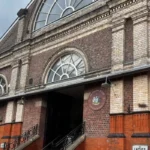
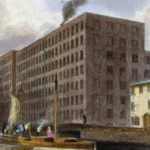
Altrincham High Street has undergone a remarkable revival, transforming from a declining market town into a vibrant model for sustainable urban regeneration. Its success offers timeless lessons for high streets across the UK, blending history, community focus, and innovation, with valuable insights even for East Londoners eyeing local rejuvenation.
- Historic Roots of Altrincham
- Decline and the Turning Point
- Key Revival Strategies
- Economic Impact
- Community and Cultural Shifts
- Challenges Overcome
- Future Prospects for Altrincham High Street
- Digital Transformation Ahead
- Youth and Inclusivity Focus
- Global Lessons from a Local Gem
- Lessons for Other High Streets
- Sustainability and Innovation
- Why Altrincham Inspires
- Visitor Guide
Historic Roots of Altrincham
Altrincham, located in Greater Manchester near the Cheshire border, traces its origins to 1290 when it was granted a market charter by King Edward I. This established the weekly market on what became the High Street, fostering trade in agriculture and goods for centuries.
The market fair, known as St James’s Fair by 1319, drew crowds until 1895, with a “Pye Powder” court settling disputes on-site. By the 15th century, the town dipped economically but rebounded during the Industrial Revolution, as Broadheath developed into an industrial estate while the High Street retained its retail core.
Today, Altrincham retains over 120 historic burgage plots, underscoring its medieval status comparable to nearby Macclesfield. This enduring market heritage forms the foundation for its modern resurgence.
Decline and the Turning Point
By the early 2010s, like many UK high streets, Altrincham suffered from vacant shops, low footfall, and competition from out-of-town retail parks and online shopping. Shuttered units dotted George Street and Stamford New Road, eroding the town’s vitality.
The catalyst came in 2013 when entrepreneurs Steve Pilling, Nick Johnson, and Simon Thompson—known for Manchester’s Mackie Mayor—partnered with Trafford Council. They secured a six-figure grant to revive the 1290 Market House, reopening it in 2014 as a covered food hall with independent vendors.
This £550,000 investment shifted focus to food and drink, attracting 200,000 visitors annually and sparking a ripple effect. Independent eateries like Honest Crust (wood-fired pizzas) and Tender Cow (rare breed steaks) filled the space, drawing crowds that spilled onto the High Street.
Key Revival Strategies
Altrincham’s turnaround hinged on public-private collaboration. Trafford Council provided funding and public realm improvements—wider pavements, better lighting, and green spaces—making the area pedestrian-friendly and linger-worthy.
The market prioritized small independents over chains, curating 20-25 stalls with diverse offerings: street food, artisanal wines from Reserve Wines, and pop-ups. Events like live music and festivals boosted dwell time, encouraging High Street spending.
Property developers, inspired by the buzz, offered incentives for independents, treating food as “PR budget.” Restaurants like The Con Club, a microbrewery in a former working men’s club, opened nearby in 2016, further animating the street.
Economic Impact
The revival supercharged the local economy. Vacancy rates plummeted, footfall surged, and Altrincham won England’s Champion High Street in 2018 and Sunday Times Best Place to Live in 2020.
Sacha Lord, Greater Manchester’s night-time economy adviser, credits the market for igniting an “explosion” in hospitality, which lured retailers back. Independent shops in fashion, crafts, and wellness now thrive alongside eateries, creating a balanced ecosystem.
By 2025, the model proved replicable, with towns nationwide studying Altrincham. It demonstrates how markets can anchor high streets, generating jobs and tax revenue without relying on big-box stores.
Community and Cultural Shifts
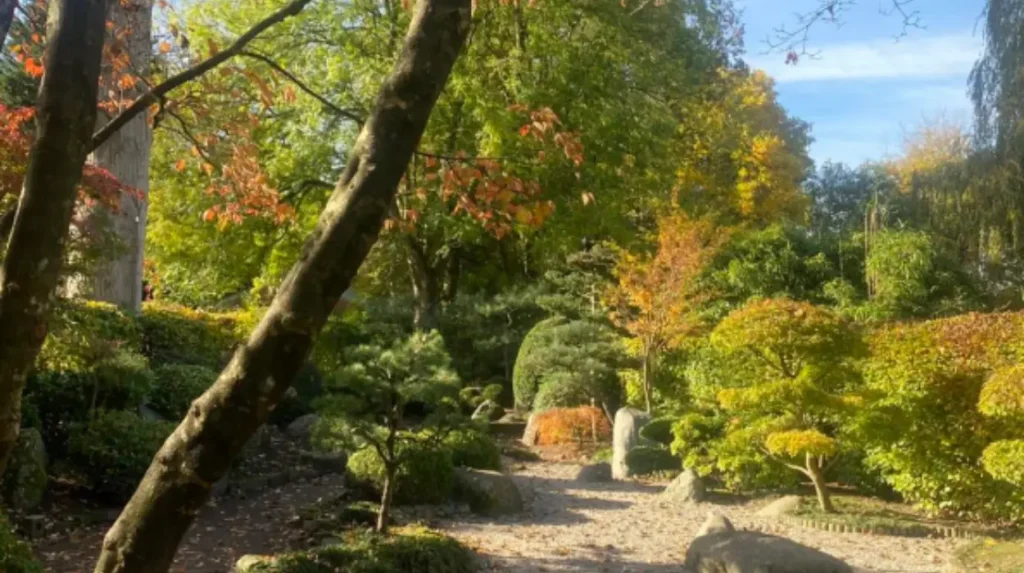
Altrincham fostered community ownership. The Altrincham Business Improvement District (BID), launched post-revival, invests in events, maintenance, and marketing, funded by local levies.
Cultural hubs emerged: The Stamford Quarter redevelopment preserved historic buildings while adding modern amenities. Dunham Massey nearby enhances tourism, blending heritage with leisure.
Diversity grew, with international cuisines reflecting Manchester’s multiculturalism. This “melting pot” vibe, akin to London’s East End evolution, keeps the High Street dynamic.
Challenges Overcome
Post-revival hurdles included COVID-19 lockdowns, which tested resilience. The market adapted with outdoor trading and deliveries, emerging stronger as visitors sought local experiences.
Rising costs and online giants remain threats, but Altrincham’s focus on “experience retail”—pairing shopping with dining and events—builds loyalty. No heavy reliance on parking; walkability from Metrolink and trains prioritizes sustainability.
Future Prospects for Altrincham High Street
Looking ahead, Altrincham’s future lies in scaling its model sustainably. Plans include expanding green spaces, tech integration like app-based events, and youth-focused pop-ups to attract Gen Z.
Trafford Council’s ongoing investments signal commitment. With nearby MediaCityUK growth, Altrincham positions as a “15-minute town,” where needs met locally reduce car dependency.
Experts predict hybrid high streets: physical anchors for social commerce, augmented by digital. Altrincham leads with QR codes linking to vendor stories, blending offline charm with online savvy.
Digital Transformation Ahead
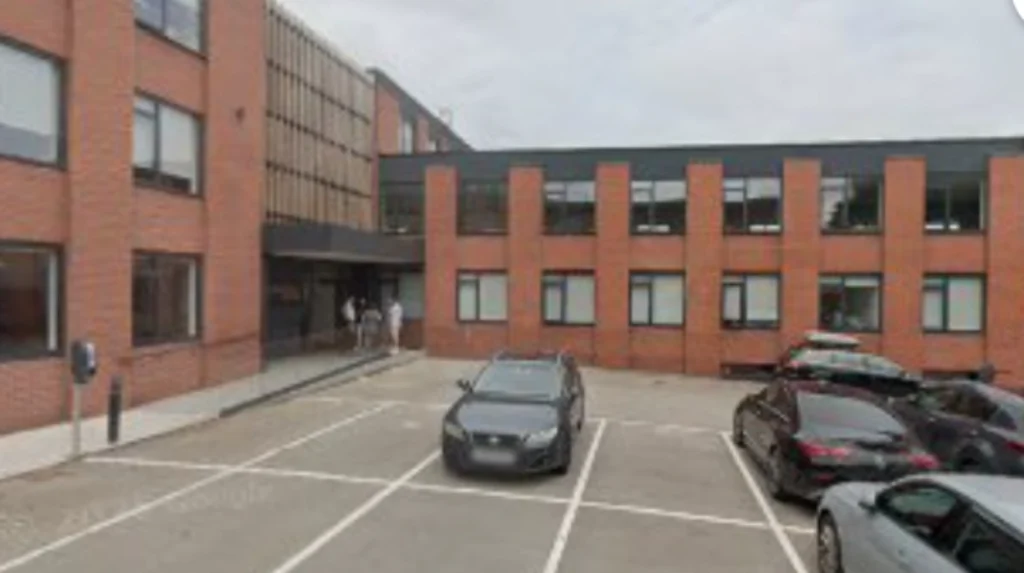
Google Street View
As high streets evolve in the digital age, Altrincham High Street is poised to integrate smart technologies seamlessly. Imagine AI-driven personalization where a visitor’s app suggests tailored market stalls based on past visits, boosting repeat footfall without compromising the tactile joy of browsing. Local businesses could leverage data analytics from BID initiatives to optimize stock and events, ensuring the High Street remains a living, responsive ecosystem. This forward-thinking approach positions Altrincham as a pioneer in “phygital” retail, where physical spaces thrive alongside e-commerce.
Youth and Inclusivity Focus
Attracting younger demographics is key to long-term vitality, and Altrincham is doubling down on inclusivity. Plans for dedicated youth zones with street art installations, skate pop-ups, and Gen Z-friendly cafes aim to bridge generational gaps, much like East London’s youth-driven markets in Shoreditch. Community workshops on sustainable fashion and upcycling will empower locals, fostering ownership and innovation. By prioritizing accessibility—ramps, quiet hours, and diverse programming—Altrincham ensures its High Street welcomes all, from families to night owls.
Global Lessons from a Local Gem
Altrincham’s blueprint resonates worldwide, offering replicable strategies for high streets from Tokyo to Toronto. Its emphasis on authentic experiences over transactions mirrors successful regenerations in places like Melbourne’s laneways, proving that curated independence trumps homogenization. For East London audiences, parallels with Columbia Road’s flower market revival highlight shared tactics: heritage preservation plus modern twists. As global retail shifts, Altrincham High Street’s future shines as a testament to adaptive resilience.
Potential expansions:
- Eco-friendly markets with zero-waste vendors.
- Co-working spaces above shops to fill upper floors.
- Art trails linking High Street to historic sites like the 14th-century church.
Lessons for Other High Streets
Altrincham’s story is evergreen: revive markets as hearts of towns. Prioritize independents, invest in place-making, and partner publicly.
For East London audiences—familiar with Spitalfields and Brick Lane regenerations—note parallels: food halls drove East End revival, benefiting from City fringe prosperity.
UK-wide, 2020s high street policy from government emphasizes “levelling up” via BIDs and grants, echoing Altrincham’s playbook. Towns like Margate and Todmorden replicated it successfully.
Sustainability and Innovation
Future-proofing demands green initiatives. Altrincham eyes solar-powered stalls, bike hubs, and low-emission deliveries, aligning with net-zero goals.
Digital twins—virtual models for planning—could optimize events. AI-curated personalization, like event recommendations, enhances visitor experience without eroding authenticity.
Why Altrincham Inspires
At 700+ years old, Altrincham High Street proves high streets evolve. Its future thrives on community, curation, and adaptability—timeless amid retail flux.
Visitors rave about the “village feel in a city region,” with Instagram-worthy spots fueling organic marketing. This authenticity outshines generic malls.
Visitor Guide
Explore via:
- Altrincham Market (daily, peak weekends).
- High Street stroll: The Con Club, independent boutiques.
- Events: Food festivals, markets (check altrinchammarket.co.uk).
Accessible from Manchester (15 mins Metrolink), it’s ideal day trip.