The Metropolitan Borough of Bury in Greater Manchester contains significant cultural heritage, open green spaces, and historic market towns. Located along the River Irwell, the region encompasses the town of Bury and the northern valley settlement of Ramsbottom. Visitors access free public parks, art institutions, nature reserves, and civic landmarks across both locations. Free public spaces provide accessible leisure options for local residents and regional tourists. Understanding these public amenities helps visitors plan self-guided itineraries without financial expenditure.
- What Free Parks and Nature Reserves Can You Visit in Bury?
- How Can You Explore Free Cultural and Historic Attractions in Bury Town Centre?
- What Free Scenic Walks and Landmarks Are Available in Ramsbottom?
- How Does the Irwell Sculpture Trail Provide Free Outdoor Art?
- Frequently Asked Questions
- What are the top free outdoor places to visit near Bury?
- Is entry to the Bury Art Museum completely free for visitors?
- How do you walk up to Peel Tower in Ramsbottom without paying?
- Can you see the Irwell Sculpture Trail in Ramsbottom for free?
- Are there free public parks suitable for families in Ramsbottom?
The history of Bury and Ramsbottom connects directly to the Industrial Revolution and North West England textile manufacturing. Bury developed rapidly in the 19th century as a major manufacturing center for cotton spinning and papermaking. Ramsbottom grew alongside the River Irwell, utilizing water power for calico printing and textile mills. Local industrialist families such as the Grant brothers established commercial foundations in Ramsbottom during this era. Sir Robert Peel, born in Bury in 1788, served as British Prime Minister and established the Metropolitan Police Service. This industrial growth funded public infrastructure, civic architecture, and municipal parks across both settlements.
Municipal governance and charity organizations preserve these historic sites for public recreation. Key elements of the local free public offerings include public parks, cultural institutions, walking trails, and historical monuments. Public transport networks, including local bus routes and proximity to the Metrolink line, connect these locations. Local sites serve ecological conservation, historical education, and outdoor health functions.
Understanding the public amenities of Bury and Ramsbottom offers practical insight into sustainable urban tourism. Free civic resources lower the cost barrier for leisure and cultural participation.
What Free Parks and Nature Reserves Can You Visit in Bury?
Bury offers extensive public green spaces, including Burrs Country Park and Peel Park, which provide free access to open countryside and historical industrial ruins.
Burrs Country Park occupies 36 hectares of land along the River Irwell, located 1 mile north of Bury town centre. The site features remaining structural foundations from 18th-century cotton mills, including Higher Mill and Lower Mill. Visitors walk along paved paths, inspect water wheels, and view canal feeder systems without paying an entry fee. The park holds a Green Flag Award, marking high environmental and maintenance standards.
Peel Park and Clarence Park provide additional managed municipal green space within the urban boundary. Clarence Park includes a central lake, skate park, and bowling greens. Redisher Wood Nature Reserve near Greenmount protects 14 hectares of ancient woodland with stream paths and native wildlife habitats.
Open public parks support local biodiversity by preserving habitats for kingfishers, herons, and native tree species along the Irwell Valley. Public access to these natural landscapes encourages physical exercise and mental well-being. Preserving these spaces prevents urban sprawl while retaining historical industrial landmarks for educational purposes.
How Can You Explore Free Cultural and Historic Attractions in Bury Town Centre?
Bury town centre contains free cultural institutions, including the Bury Art Museum and Sculpture Centre, alongside the historic Bury Market precinct.
Bury Art Museum, founded in 1901 to house the Thomas Wrigley art collection, offers free admission to all public galleries. The museum displays 19th-century oil paintings by J.M.W. Turner and John Constable alongside contemporary visual art exhibitions. The adjoining Sculpture Centre presents international modern sculptural works within an architectural basement space.
Adjacent to the cultural quarter stands the historic site of Bury Castle, an excavated 15th-century fortified manor house. Visitors view the preserved stone foundations on Castle Street at no charge. Nearby, the world-famous Bury Market operates open-air market stalls where visitors browse without entry fees. The market square features a bronze statue of Sir Robert Peel, erected in 1852 to commemorate his political contributions.
Free access to museum collections preserves local heritage and promotes civic engagement. Displaying historical artifacts helps educate visitors on Lancashire’s cultural evolution. These public institutions protect original artwork while providing accessible learning environments for educational groups and tourists.
What Free Scenic Walks and Landmarks Are Available in Ramsbottom?
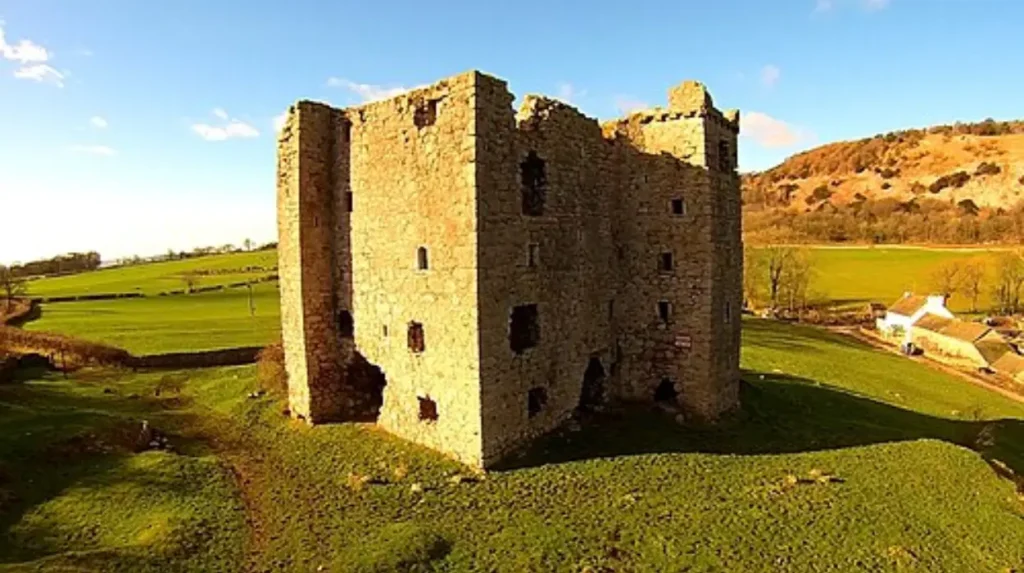
Ramsbottom features prominent public landmarks such as Peel Tower on Holcombe Hill and expansive trails through Nuttall Park.
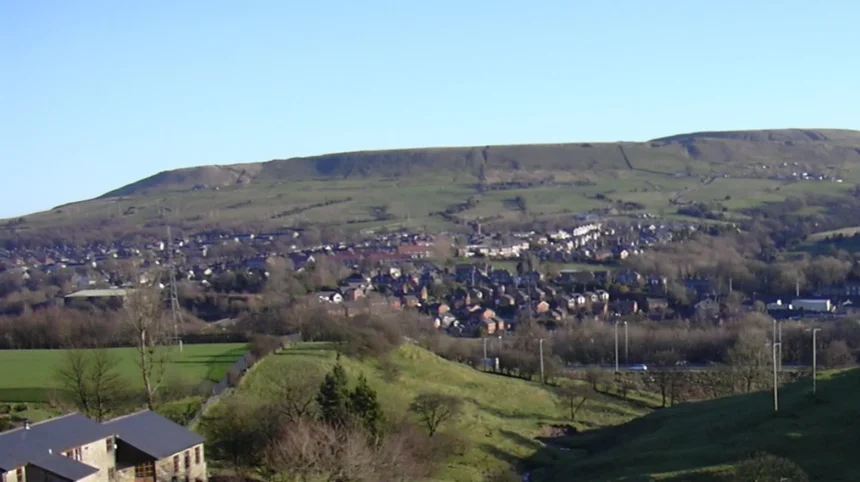
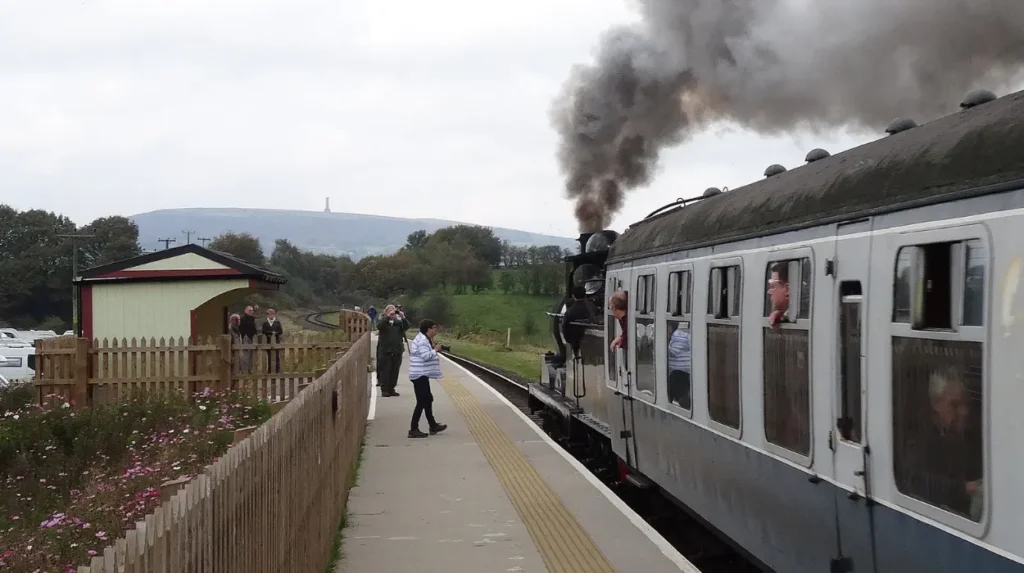
Peel Tower stands on Holcombe Hill at an elevation of 1,100 feet (335 meters) above sea level. Erected in 1852 in memory of Sir Robert Peel, the stone monument measures 128 feet (39 meters) in height. Public footpaths lead from Ramsbottom village up the hill to the tower base, offering panoramic views of Manchester and the West Pennine Moors at zero cost.
Nuttall Park lies adjacent to the River Irwell, covering 10.7 hectares of public parkland. The park includes riverside walking trails, open sports fields, children’s play areas, and public tennis courts with no admission charges.
High-altitude landmarks like Peel Tower serve as crucial navigational points and heritage markers within the West Pennine landscape. Public footpaths across Holcombe Moor support low-impact outdoor recreation. Free access to these natural landscapes ensures equitable availability of exercise and nature spaces for all visitors.
How Does the Irwell Sculpture Trail Provide Free Outdoor Art?
The Irwell Sculpture Trail represents the largest public art trail in North West England, stretching 33 miles from Bacup to Salford Quays through Bury and Ramsbottom.
The trail integrates over 70 public artwork installations within natural and urban environments. In Ramsbottom, visitors view Edward Allington’s Tilted Vase sculpture, located in Market Place. Further along the trail at Burrs Country Park, public sculptures such as Waterwheel by David Kemp highlight the industrial heritage of the valley.
Trail sections linking Bury, Summerseat, and Ramsbottom utilize former railway lines and river paths. These paths allow pedestrians and cyclists to experience outdoor gallery spaces without purchasing admission tickets.
Outdoor art installations transform public footpaths into interactive cultural corridors. Integrating art with industrial landscapes encourages historical appreciation alongside physical recreation. Free trail access supports sustainable tourism across the West Pennine valley.
Frequently Asked Questions
What are the top free outdoor places to visit near Bury?
Burrs Country Park offers free access to 36 hectares of countryside, river trails, and historic industrial ruins. Redisher Wood Nature Reserve provides free ancient woodland walking paths near Greenmount. Holcombe Hill in Ramsbottom features public trails leading to panoramic views.
Is entry to the Bury Art Museum completely free for visitors?
Yes, Bury Art Museum and Sculpture Centre provides free admission to all gallery exhibitions. The museum houses classic 19th-century oil paintings alongside modern international sculpture displays. Visitors can explore all permanent collections without purchasing tickets.
How do you walk up to Peel Tower in Ramsbottom without paying?
Public footpaths lead directly from Ramsbottom village center up Holcombe Hill to Peel Tower. Access to the hill trails and the surrounding moorland is entirely free throughout the year. Visitors enjoy panoramic views of Greater Manchester from the summit area.
Can you see the Irwell Sculpture Trail in Ramsbottom for free?
The Irwell Sculpture Trail is an open-air public art trail accessible without any fees. Sculptures such as Edward Allington’s Tilted Vase stand in public spaces like Ramsbottom Market Place. Outdoor artwork installations line the public footpaths between Bury and Ramsbottom.
Are there free public parks suitable for families in Ramsbottom?
Nuttall Park in Ramsbottom features 10.7 hectares of free public space along the River Irwell. The park includes public playgrounds, riverside paths, sports fields, and free tennis courts. Families access the park on foot from Ramsbottom town centre.