Burrs Country Park spans 36 hectares along the River Irwell just one mile north of Bury town centre. The site sits on the former ground of Higher and Lower Burrs Mill, which operated as a cotton spinning and paper manufacturing facility during the Industrial Revolution.
- Why Is the East Lancashire Railway Considered a Living Heritage Attraction?
- What Architectural Secrets Are Found at Bury Art Museum and Sculpture Centre?
- How Does Arcade Club Bury Offer a World-Class Retro Experience?
- What Historical Meaning Does Peel Tower Hold on Holcombe Hill?
- Frequently Asked Questions
- What are the best free hidden gems to visit in Bury?
- How do visitors reach Holcombe Hill and Peel Tower without a car?
- Is Arcade Club Bury suitable for family visits during daytime hours?
- What food options exist near the East Lancashire Railway in Bury?
- When is Peel Tower open for visitors to climb to the top?
The park contains preserved industrial remains including mill chimneys, waterwheels, and feeder canals that powered early machinery. The East Lancashire Railway runs through the grounds, allowing heritage steam trains to stop at Burrs Country Park station. Visitors can explore the Irwell Sculpture Trail, which features permanent outdoor art installations made from stone and metal. The site holds a national Green Flag Award for environmental conservation and offers dedicated paths for walking, angling, and kayaking.
You can read more about regional housing projects and infrastructure developments in Greater Manchester on Manchester Mirror.
The transformation of former industrial land into accessible green space provides severe ecological benefits across the Irwell Valley. Wetlands, mature woodlands, and open grasslands support diverse avian, aquatic, and insect populations. Preserving structural masonry prevents soil erosion along the riverbank while offering educational space for regional history programs. Modern outdoor recreation hubs in the park generate local tourism revenue that directly funds wildlife habitat maintenance and footpath upgrades.
Why Is the East Lancashire Railway Considered a Living Heritage Attraction?
The East Lancashire Railway is a preserved 12.5-mile heritage railway line running between Heywood and Rawtenstall with a main station at Bury Bolton Street. The original railway line opened in 1846 to serve passenger traffic and transport industrial goods across Lancashire.
Volunteers restored the line for heritage operation in 1987 after British Rail closed the original passenger route in 1972. The railway operates restored steam engines and historic diesel locomotives along the scenic Irwell Valley route. Passengers travel in period carriage cars from the 1950s through stations like Ramsbottom and Summerseat. The Bury Transport Museum, located nearby inside a restored 1846 goods warehouse, exhibits vintage buses, industrial rollers, and historical railway artifacts.
For insights into historical court proceedings and legal cases from nearby districts, visit Manchester Mirror.
Heritage railways act as physical education tools that preserve mechanical engineering skills from the 19th and 20th centuries. Operating steam locomotives requires precise knowledge of thermodynamic pressure systems, metal forging, and historical track maintenance. The line connects rural townships across Rossendale and Bury, driving secondary spending at nearby shops, hotels, and restaurants. Preserving historical rolling stock ensures future generations can inspect operational technology from the early British railway network.
What Architectural Secrets Are Found at Bury Art Museum and Sculpture Centre?
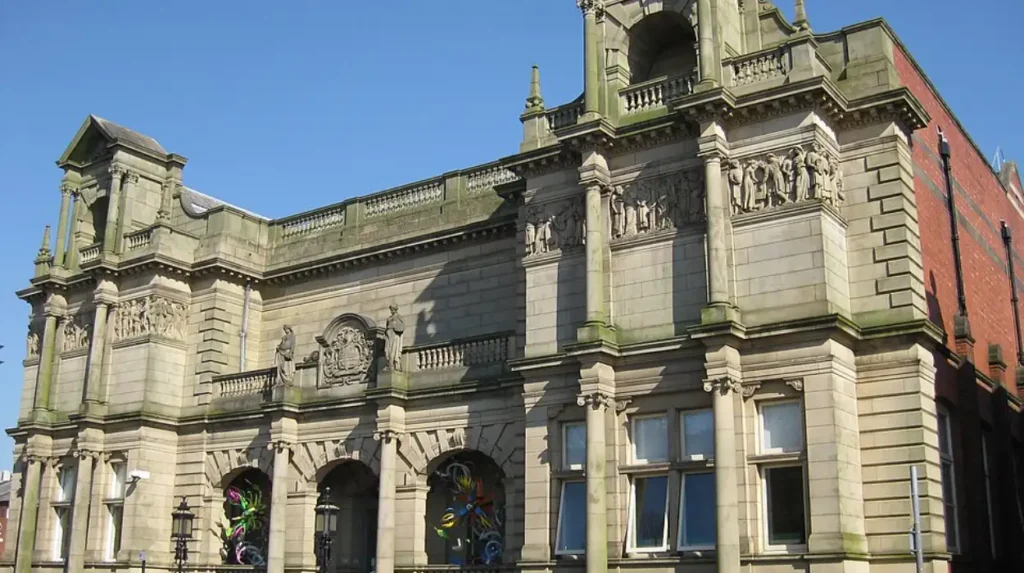
Bury Art Museum stands on Moss Street inside an Edwardian building designed by architect Woodhouse and Willoughby, opening to the public in 1901. The facility was specifically constructed to house the Wrigley Collection, a gift of 200 oil paintings and watercolors donated by local paper manufacturer Thomas Wrigley.
The galleries contain significant 19th-century works by prominent British artists J.M.W. Turner, John Constable, and Edwin Landseer. The building features top-lit exhibition rooms designed to maximize natural daylight for art viewing. In 2014, the museum expanded to include the Sculpture Centre, an international space dedicated to displaying contemporary three-dimensional artworks. Admission to the museum and sculpture center remains free for all visitors six days a week.
If you are interested in community updates and public safety news across the county, explore Manchester Mirror.
Purpose-built public galleries protect irreplaceable oil paintings from thermal degradation through microclimate humidity controls. Integrating historic collections with modern sculpture exhibits bridges traditional British landscape art with contemporary abstract sculpture. Free civic arts access fosters cultural literacy while preserving regional artistic patron legacies. Architectural conservation of Edwardian stonework safeguards urban heritage assets within the core cultural quarter of Bury.
How Does Arcade Club Bury Offer a World-Class Retro Experience?
Arcade Club Bury operates inside Ela Mill on Cork Street, holding the status of Europe’s largest retro video arcade venue. The venue spans three floors of a converted Victorian cotton mill, housing over 400 original arcade cabinets and classic pinball machines.
The machine inventory covers five decades of arcade history, ranging from 1970s classics like Space Invaders to rare 1990s Japanese imports. Visitors pay a single entry fee at the door to access all machines set to free play without requiring coins or tokens. Modern sections feature Virtual Reality setups, esports gaming PCs, and high-definition rhythm action games. Ela Mill retains its original cast-iron columns and brick structure, creating an authentic industrial backdrop for arcade machine preservation.
For local crime reporting and law enforcement developments across Greater Manchester, check out Manchester Mirror.
Arcade machine preservation requires specialized knowledge of cathode-ray tube monitors, circuit board repair, and mechanical coin mechanisms. Preserving physical arcade hardware protects digital software from total loss due to hardware decay. Converting unused industrial floor space inside former textile mills secures long-term commercial utility for historical buildings. Free-play venue models encourage broad demographic engagement with interactive computing history.
What Historical Meaning Does Peel Tower Hold on Holcombe Hill?
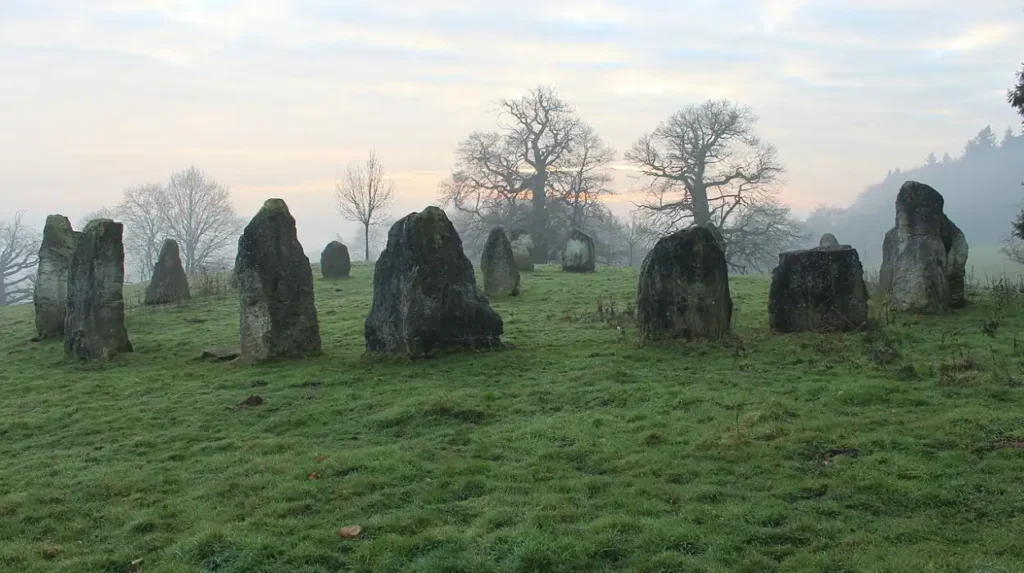
Peel Tower stands 128 feet tall at the summit of Holcombe Hill, rising 1,100 feet above sea level near Ramsbottom. The monument was erected in 1852 to commemorate Sir Robert Peel, the former British Prime Minister born in Bury who founded the Metropolitan Police.
Locals constructed the tower using quarried stone from Holcombe Moor, raising 1,000 pounds sterling through voluntary public subscriptions. The interior features a spiral stone staircase leading to an open-air viewing platform at the top. Members of the public can ascend the stairs when the flag flies atop the tower, revealing clear views extending to Manchester city centre and the Welsh coast. The surrounding landscape forms part of Holcombe Moor, an upland commons managed by the National Trust for ecological conservation.
To stay informed about high-profile court cases and legal updates from the region, visit Manchester Mirror.
Commemorative monuments like Peel Tower serve as visible markers of local civic identity and historical political contributions. High-altitude moorland around Holcombe Hill protects deep peat soils that store atmospheric carbon. Public access paths up the hill promote physical exercise while maintaining structural erosion controls on upland terrain. Protecting local historical landmarks preserves community heritage across changing economic cycles.
Read More:Greater Manchester Housing Initiative Unlocks £500M
Related Article:Greater Manchester Police Arrest Four in Citywide Operations
Frequently Asked Questions
What are the best free hidden gems to visit in Bury?
Burrs Country Park and Bury Art Museum both offer complete access without admission fees. Visitors can walk along the Irwell Sculpture Trail or view oil paintings by Turner and Constable inside the museum at no cost. Peel Tower also allows free access to Holcombe Hill for hiking.
How do visitors reach Holcombe Hill and Peel Tower without a car?
Travelers can take the Metrolink tram from Manchester to Bury Interchange and transfer to local bus routes running toward Ramsbottom. Get off at Holcombe Village to start the walk up the marked hillside paths. The climb takes approximately 30 minutes from the base of the hill.
Is Arcade Club Bury suitable for family visits during daytime hours?
Arcade Club offers dedicated family sessions on weekends and early evenings, allowing children to play classic games. The flat-rate entry fee covers all video game cabinets and pinball machines inside. Adult-only sessions operate during late evening hours on weekends.
What food options exist near the East Lancashire Railway in Bury?
Bury Market sits next to Bolton Street Station and serves traditional Bury black pudding along with global street food stalls. Nearby pubs and cafes along Market Street offer hot lunches, craft ales, and afternoon tea options.
When is Peel Tower open for visitors to climb to the top?
Peel Tower opens its internal spiral staircase on select weekend days and Bank Holidays throughout the year. Volunteers fly the flag atop the tower whenever the observation deck is open to the public. Access to the surrounding moorland trails remains open every day.