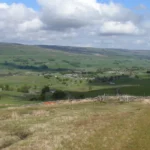
Bolton is a large industrial town situated in Greater Manchester, England, positioned 10 miles northwest of Manchester city centre and bordered by the West Pennine Moors. Historically part of Lancashire, the settlement developed into a major global centre for textile manufacturing during the Industrial Revolution, driven by its abundant water supply, coal reserves, and moist climate ideal for cotton spinning. The town covers an area of 53.8 square miles and houses a population of approximately 295,000 residents across diverse urban and rural wards.
- Which obscure natural landscapes and outdoor spaces remain hidden in Bolton?
- How do lesser-known architectural and historical sites reflect Bolton’s heritage?
- What secret cultural venues and local traditions exist within the borough?
- Where can visitors find undiscovered culinary spots and local food traditions?
- What strategies optimize internal linking and user navigation for this article?
- Frequently Asked Questions
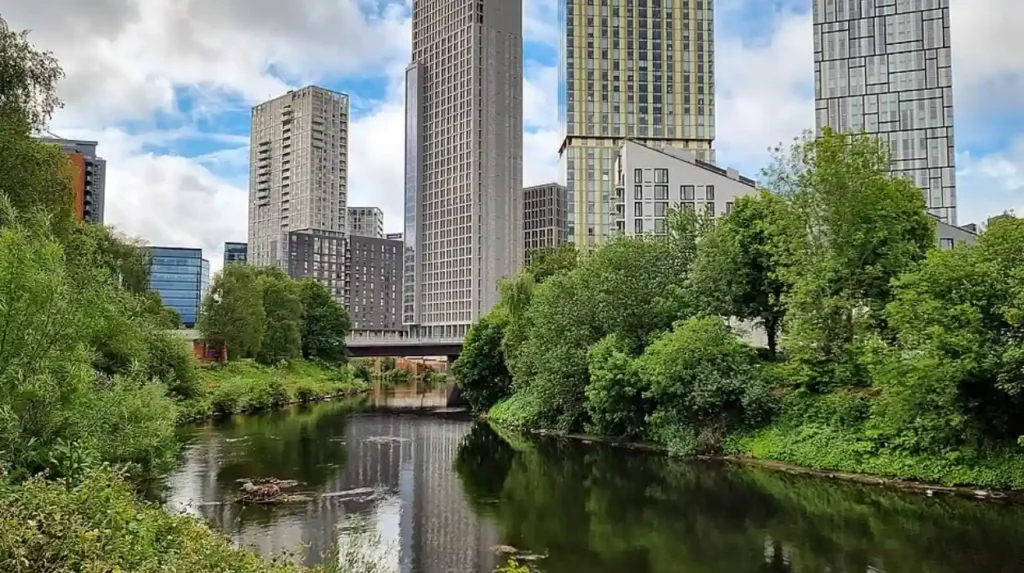
Geographic boundaries include the borough of Chorley to the north, Bury to the east, Salford to the south, and Wigan to the west, creating a strategic transport corridor for regional commerce. Local topography transitions from flat urban valleys in the south to rugged upland moorlands in the north, establishing distinct climatic and ecological zones within a compact municipal boundary. Economic evolution shifted the region from heavy coal mining and cotton mills to modern logistics, healthcare, and advanced manufacturing sectors. Urban regeneration projects have transformed derelict industrial mills into residential apartments and cultural hubs while preserving Victorian architectural landmarks.
The municipal council maintains 18 major parks and extensive conservation areas, protecting both built heritage and natural landscapes from excessive suburban sprawl. Transportation infrastructure connects the locality via the M61 motorway, regional railway lines, and dense bus networks linking rural hamlets to the town centre. Understanding this dual identity of industrial heritage and moorland geography provides the necessary framework for identifying lesser-known cultural and natural assets across the borough.
Which obscure natural landscapes and outdoor spaces remain hidden in Bolton?
Hidden natural landscapes in Bolton include the Turton Moor stone circles, the secluded waterfalls of Barrow Bridge, and the quiet woodland trails of Doffcocker Lodge. These isolated environments offer visitors tranquil alternatives to heavily populated tourist destinations like Rivington Pike by preserving fragile ecosystems and undisturbed historical artifacts.
The Turton Moor archaeological site contains prehistoric boundary stones and Bronze Age cairns that sit miles away from paved public footpaths, requiring map navigation to locate. Barrow Bridge village features a preserved industrial hamlet complete with 19th-century workers cottages, a historic chimney, and steep woodland stairs leading to secluded brook streams. Doffcocker Lodge acts as a designated local nature reserve managed by Bolton Council, providing a sanctuary for nesting waterfowl, amphibians, and native reedbed flora. Local conservation groups record over 40 species of resident and migratory birds utilizing these hidden water bodies during seasonal breeding cycles.
Public access to these spaces relies on network paths maintained by countryside rangers, though many secondary trails lack official directional signage. Environmental protection laws restrict motorized vehicles and commercial development within these zones to preserve water quality and prevent soil erosion along steep valley slopes. Botanical surveys conducted by Greater Manchester Ecology Unit identify rare fern varieties and ancient woodland ground cover thriving beneath dense overhead canopies. Exploring these off-grid outdoor locations requires appropriate footwear and preparedness for unpaved terrain that transforms during periods of heavy rainfall.
How do lesser-known architectural and historical sites reflect Bolton’s heritage?
Lesser-known architectural landmarks in Bolton include the Smithills Dean bridge ruins, the ancient Peel Tower foundations, and the historic subterranean vaults beneath the town centre. These structural remnants document centuries of civil engineering, religious evolution, and domestic architecture that predate the rapid expansion of the Victorian textile era.
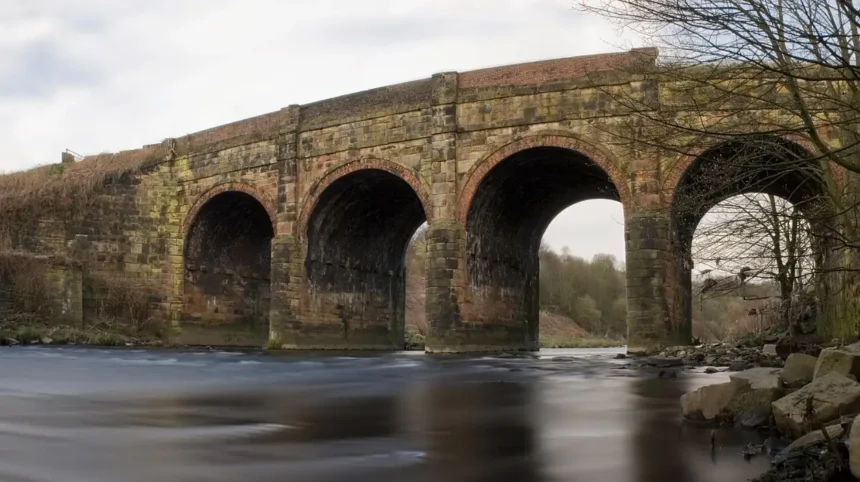
The Smithills Dean area contains remnants of medieval packhorse bridges and old water mill foundations constructed from local gritstone blocks. Subterranean infrastructure beneath Deansgate includes vaulted brick cellars and abandoned tramway tunnels that once facilitated subterranean cargo transport during the peak of industrial production. Historical records from Bolton Museum archives indicate that these underground spaces served as air raid shelters during the Second World War before sealing off from public access.
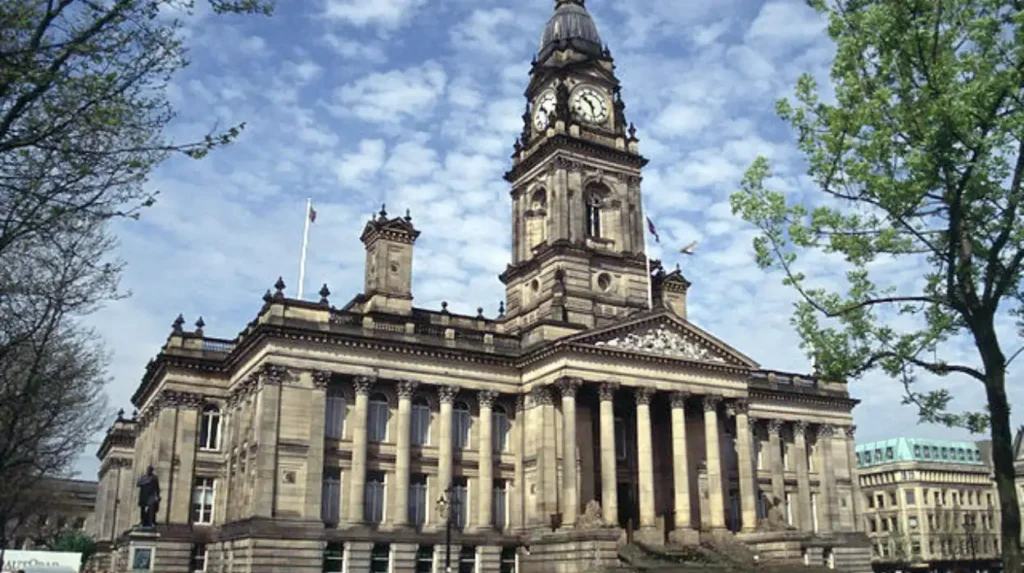
Architectural styles transition from timber-framed Tudor manor houses to neo-Gothic civic buildings and utilitarian mill structures designed by regional engineers. Preservation statutes governed by Historic England classify numerous local structures as Grade II listed buildings, protecting their original facades from unauthorized structural alterations. Local historical societies organize rare guided tours of these concealed architectural assets to educate the public on regional building techniques and masonry traditions. Maintaining these aging structures requires specialized conservation grants and careful stonework restoration to prevent structural degradation caused by weathering and moisture ingress.
What secret cultural venues and local traditions exist within the borough?
Secret cultural venues in Bolton include the independent artist studios at the chambers, the heritage archives housed within central library basements, and the intimate performance spaces of local amateur dramatic societies. These creative hubs operate outside mainstream commercial circuits, fostering grassroots artistic expression, local craft workshops, and community-led historical exhibitions. The Bolton Little Theatre maintains a dedicated following through regional drama productions staged in a converted Victorian building equipped with original proscenium arches. Community archives preserve thousands of historical photographs, textile manufacturing ledgers, and oral history recordings documenting working-class life across the 19th and 20th centuries. Traditional local customs continue through annual events such as the Bolton Beer Festival and regional Morris dancing gatherings hosted in historic village halls.
Cultural funding provided by Arts Council England supports grassroots community projects that engage local youth in heritage preservation and digital storytelling initiatives. Independent galleries exhibit works by regional painters and sculptors who draw inspiration from the surrounding industrial landscapes and rugged moorland topography. These venues rely heavily on volunteer support and community donations to maintain daily operations and host educational workshops for local schools. Engaging with these underground cultural institutions offers visitors an authentic perspective on the contemporary artistic identity of the borough beyond standard commercial attractions.
Where can visitors find undiscovered culinary spots and local food traditions?
Undiscovered culinary spots in Bolton include independent family-run bakeries in Halliwell, hidden artisan coffee shops in Smithills, and traditional pie shops operating in historic market stalls. These establishments preserve regional Lancashire food traditions through the production of local delicacies such as Bolton meat and potato pies, butter pie, and traditional black pudding. Independent bakers source ingredients from regional agricultural suppliers, maintaining authentic recipes passed down through multiple generations of local families. Bolton Market houses numerous specialist food traders offering locally sourced cheeses, cured meats, and international ingredients reflecting the demographic diversity of the modern town.
Public health inspectors from Bolton Council regularly audit these food establishments to ensure compliance with national hygiene standards and food safety regulations. Food historians note that the traditional working-class diet of the region relied on hearty, nutrient-dense ingredients designed to sustain manual laborers through long shifts in cotton mills. Modern culinary entrepreneurs blend these traditional recipes with contemporary street food concepts, creating innovative dining experiences across suburban high streets. Local food tourism initiatives promote these independent eateries through digital trail maps and seasonal gastro events designed to boost foot traffic for small businesses. Discovering these culinary locations provides a direct connection to the agricultural and social history of the local community.
What strategies optimize internal linking and user navigation for this article?
Optimizing internal linking involves strategic placement of contextual anchor texts that connect this guide to related regional articles within the digital publication network. Strategic internal link integration enhances search engine crawler efficiency, distributes page authority evenly, and improves overall user engagement metrics by reducing bounce rates. Recommended target URLs for insertion include guides on local walking routes, regional accommodation options, and museum opening times. Implementation requires placing hyperlinks naturally within descriptive paragraphs rather than isolating them in separate promotional blocks at the end of the text.
Readers seeking active outdoor exploration benefit from direct pathways to comprehensive hiking itineraries across nearby upland conservation zones. Travelers planning extended stays access relevant lodging guides directly through contextual mentions of local hospitality infrastructure and visitor accommodation districts. Editorial guidelines mandate that all anchor texts accurately reflect the destination page content to maintain transparency and enhance user trust during navigation. Analytics tools monitor click-through rates on internal links to refine placement strategies and identify high-performing content hubs across the digital archive. This structured interconnection between related local guides transforms the website into a comprehensive regional resource for both residents and international tourists.
Frequently Asked Questions
What are the best hidden walking trails in Bolton?
The best hidden walking trails in Bolton include the secluded woodland paths of Barrow Bridge and the quiet moorland tracks around Turton Moor. These routes offer peaceful alternatives to crowded tourist spots while showcasing historic industrial ruins and diverse local wildlife. Visitors should wear sturdy waterproof footwear because unpaved tracks can become muddy during periods of heavy rainfall.
Where can I find traditional food in Bolton?
Traditional food in Bolton can be found at independent family-run bakeries in Halliwell and specialist stalls inside the historic Bolton Market. These locations serve authentic regional specialties like local meat and potato pies, butter pie, and traditional Lancashire cheese. Supporting these independent traders helps preserve culinary heritage passed down through generations of local families.
Are there underground historical sites open to the public in Bolton?
Subterranean historical sites like the Deansgate vaults and tramway tunnels are generally closed to regular public access for safety reasons. However, local historical societies and Bolton Museum occasionally organize special guided tours of these concealed architectural spaces. Advance booking through official heritage event calendars is mandatory due to strict capacity limits and safety regulations.
What is the history behind Bolton industrial heritage?
Bolton developed into a global textile manufacturing powerhouse during the Industrial Revolution due to its abundant water supply and coal reserves. The town specialized in cotton spinning, constructing hundreds of multi-story brick mills that shaped its urban architecture and demographic growth. Today, many of these former industrial buildings undergo conversion into residential apartments and cultural community hubs.
How do I get to the lesser-known natural spots in Bolton?
Lesser-known natural spots in Bolton are accessible via regional bus networks, the M61 motorway, and local unpaved walking paths managed by countryside rangers. Visitors traveling by car should utilize designated rural parking areas near Doffcocker Lodge and Smithills to avoid blocking narrow residential lanes. Carrying a detailed topographical map is recommended because mobile signal strength can fluctuate across remote upland areas.