Ashton-under-Lyne is a historic market town located in the Metropolitan Borough of Tameside, Greater Manchester, England, positioned approximately six miles east of Manchester city centre. The town sits on the north bank of the River Tame, which historically formed the boundary between Lancashire and Cheshire. Archaeological evidence indicates that the area supported human settlement dating back to the Anglo-Saxon period, with the name deriving from the Old English words ash tree and farmstead. During the Industrial Revolution, Ashton-under-Lyne transformed rapidly from a small agricultural settlement into a major global centre for cotton spinning and textile manufacturing.
The opening of the Ashton Canal in 1796 and the subsequent arrival of the railways accelerated commercial expansion, attracting thousands of workers to the burgeoning mill town. Today, the town retains numerous architectural reminders of its industrial heritage, including imposing Victorian mill buildings, civic structures, and traditional market halls. Modern Ashton-under-Lyne functions as a vibrant commercial and residential hub, seamlessly blending its industrial legacy with contemporary urban regeneration initiatives across Greater Manchester.
The geographical layout of the town is defined by its strategic position at the foothills of the Pennines, creating a distinct topographical landscape that slopes toward the River Tame valley. Transportation links evolved significantly over the centuries, progressing from early canal networks to an extensive tramway system and modern Metrolink connections that link directly to Manchester Piccadilly. Urban planning initiatives over the past two decades have revitalised the town centre, pedestrianising key retail zones while preserving historical landmarks such as the Ashton-under-Lyne Market Hall.
The population of the town reflects a diverse demographic profile, shaped by successive waves of migration that have contributed to a rich cultural tapestry and varied local commerce. Educational institutions, healthcare facilities, and public parks further enhance the urban infrastructure, providing essential services to residents and visitors alike. Understanding this foundational background allows travellers to appreciate the historical depth and architectural significance of the town before exploring its modern attractions. Visitors arriving from Manchester can observe the gradual transition from urban density to Pennine foothills, marking a distinct shift in landscape character.
How do you travel from Manchester to Ashton-under-Lyne efficiently?
Travelling from Manchester city centre to Ashton-under-Lyne is remarkably efficient, with multiple public transport options operating frequently throughout the day to accommodate commuters and leisure visitors. The journey typically takes between fifteen and thirty minutes depending on the chosen mode of transport, making it an ideal destination for a short excursion. The Manchester Metrolink tram system provides a direct, highly reliable service on the Ashton-under-Lyne line, running from Manchester Victoria and Piccadilly stations straight to Ashton-under-Lyne interchange. Trams depart every twelve minutes during peak hours, ensuring minimal waiting times and a smooth, comfortable ride across Greater Manchester.
Alternatively, frequent bus services operated by local transport providers run along major arterial routes such as Ashton Old Road, offering another convenient option for travellers. For those preferring private transport, driving via the A635 connects Manchester directly to the town, though parking facilities within the town centre should be planned in advance. Rail services also connect certain regional stations directly to Ashton-under-Lyne, adding further flexibility for visitors arriving from outside the immediate city centre.
Planning the trip requires considering ticket pricing, peak travel hours, and accessibility features available across all public transport networks in the region. Purchasing an Anybus or System One travel card can provide cost-effective travel solutions for individuals planning to utilise multiple modes of transport during their excursion. The Ashton-under-Lyne transport interchange, completed in recent years, integrates bus, tram, and taxi services into a single modern facility designed to streamline passenger transfers. Accessibility features such as level boarding on Metrolink trams and low-floor buses ensure that travellers with mobility requirements can complete the journey comfortably and safely. Real-time passenger information displays located throughout stations and stops provide up-to-date departure times, helping visitors manage their itineraries effectively. By selecting the most appropriate transport method based on starting location and personal preference, travellers can maximise their time exploring the historical and cultural offerings of the destination.
What are the top sights to include in a half-day itinerary?

A half-day itinerary in Ashton-under-Lyne should focus on the historic town centre, featuring iconic landmarks such as the Ashton Market, Portland Basin Museum, and St Michael Parish Church. Visitors can begin their morning at the historic Ashton Market, one of the largest outdoor and indoor market complexes in the United Kingdom, operating for over seven centuries. The market features diverse stalls offering fresh local produce, artisanal foods, clothing, and household goods, reflecting the vibrant commercial spirit of the community. Following the market visit, a short walk leads to the majestic St Michael Parish Church, a Grade II listed building showcasing remarkable Gothic Revival architecture and centuries of local history.
Inside the church, intricate stonework, stained glass windows, and historical memorials provide deep insight into the prominent families who shaped the region’s development. Concluding the half-day excursion, visitors can stroll through the paved town centre plazas, observing public art installations and historic civic buildings that highlight the architectural evolution of Tameside.
Maximising a restricted timeframe requires careful pacing and an understanding of the geographic proximity between these key cultural attractions within the compact town centre. The market area buzzes with activity, particularly on market days held on Mondays, Fridays, and Saturdays, offering an authentic glimpse into local daily life. Informational plaques located near major historical sites offer self-guided touring details for visitors interested in architectural history and local folklore. Cafes and bakeries situated near the market square provide ideal spots to sample regional delicacies such as local Lancashire cheese and traditional pies. While a half-day visit offers only a snapshot of the town, it successfully captures the commercial and historical essence that defines Ashton-under-Lyne. Travellers pressed for time will find that these central locations are easily walkable from the main transport interchange without requiring additional vehicular transit.
What activities complete a full-day itinerary in Ashton-under-Lyne?
A full-day itinerary in Ashton-under-Lyne expands upon the central highlights by incorporating the Portland Basin Museum, Stamford Park, and a scenic canal walk along the Ashton Canal. The morning can begin with a thorough exploration of the town centre and market before walking along the Ashton Canal towpath toward the Portland Basin Museum. Situated beside the canal junction, the museum offers immersive exhibits detailing the industrial heritage, canal life, and social history of Tameside through interactive displays and recreated street scenes. Following the museum visit, visitors can enjoy a picnic or a leisurely walk through nearby Stamford Park, a historic Victorian green space featuring formal gardens, boating lakes, and recreational facilities. The park, jointly opened by the boroughs of Ashton-under-Lyne and Stalybridge in the nineteenth century, provides a tranquil natural sanctuary away from the bustling commercial centre. Afternoon activities can include exploring local independent shops, visiting community art galleries, or enjoying traditional afternoon tea at one of the established local tearooms.
Structuring a full-day schedule ensures that visitors can appreciate both the industrial urban history and the natural green spaces that characterise the modern municipal borough. The walk along the Ashton Canal reveals historic lock systems, industrial ruins reclaimed by nature, and modern waterside residential developments showcasing regional regeneration. Stamford Park features extensive horticultural displays, a heritage cafe, and dedicated walking paths suitable for visitors of all fitness levels and age groups. Local dining establishments near the park and canal basin offer diverse culinary options, ranging from traditional British pub fare to contemporary international cuisine. Evening activities might include attending a local theatre production, community event, or enjoying a quiet drink in a historic town centre pub. This comprehensive approach allows travellers to experience the full spectrum of culture, history, and leisure that Ashton-under-Lyne offers to regional explorers.
Where are the best places to eat and drink in Ashton-under-Lyne?
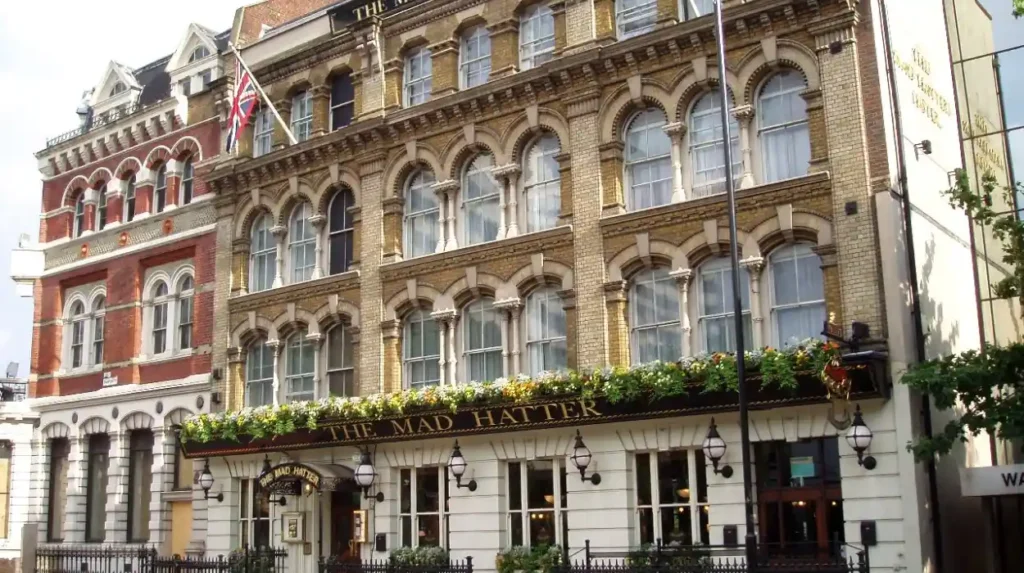
Ashton-under-Lyne features a diverse culinary landscape encompassing traditional northern English eateries, historic public houses, and international restaurants reflecting the multicultural demographic of the town. Visitors seeking traditional British cuisine can visit established venues near the market ground, serving classic dishes such as Lancashire hotpot, fish and chips, and artisanal meat pies. Independent cafes situated throughout the pedestrianised shopping zones offer speciality coffees, homemade cakes, and light lunches prepared with locally sourced ingredients.
For evening dining, numerous pubs and restaurants along Stamford Street and the surrounding areas provide welcoming atmospheres, hearty meals, and local cask ales. Notable establishments include historic inns that have served travellers and mill workers for over a century, preserving authentic architectural features alongside modern hospitality standards. International dining options are equally well-represented, featuring authentic South Asian, Mediterranean, and East Asian restaurants that highlight the vibrant culinary diversity of the local community.
Exploring the local food scene allows visitors to engage directly with the culture and hospitality that define this Greater Manchester market town. Many eateries source their produce directly from the historic Ashton Market, ensuring exceptional freshness and supporting local independent traders and farmers. Dietary preferences are well accommodated across most establishments, with vegetarian, vegan, and gluten-free menus widely available in modern cafes and restaurants. Food hygiene ratings and customer review platforms consistently highlight high standards of cleanliness and service quality among local hospitality providers. Visitors can also sample regional sweet treats, such as traditional Eccles cakes or local parkin, from specialist bakeries located within the indoor market hall. Whether stopping for a quick lunch during a half-day trip or enjoying a leisurely three-course dinner during a full-day stay, the dining options provide a satisfying conclusion to any itinerary.
Frequently Asked Questions
What is the best way to travel from Manchester to Ashton-under-Lyne?
The Metrolink tram system provides the most efficient connection, running directly from Manchester city centre to Ashton-under-Lyne interchange every twelve minutes. Frequent bus services along Ashton Old Road offer a reliable alternative for travellers preferring road transport. The entire journey typically takes between fifteen and thirty minutes depending on your exact departure point.
What are the main historical attractions in Ashton-under-Lyne?
Key historical sites include the Grade II listed St Michael Parish Church, the centuries-old Ashton Market, and the Portland Basin Museum. These locations showcase the architectural heritage and industrial cotton spinning legacy of the Tameside borough. Informational displays at each site provide valuable context for visitors.
Are there good green spaces to visit in Ashton-under-Lyne?
Stamford Park is the premier green space in the area, offering formal Victorian gardens, a boating lake, and extensive walking paths. Located on the border between Ashton-under-Lyne and Stalybridge, it provides an ideal setting for relaxing walks and family picnics. The Ashton Canal towpaths also offer scenic waterside walking routes.
Where can I find local food and markets in the town?
The historic Ashton Market complex in the town centre hosts large indoor and outdoor market days selling fresh local produce and traditional foods. Numerous independent cafes, historic pubs, and international restaurants are situated nearby along Stamford Street. These venues offer everything from light lunches to traditional northern English dinners.