Manchester Forum is a structured public-private consultative platform in Manchester, England, designed to coordinate civic policy, local economic strategy, infrastructure planning, and community stakeholder engagement. It enables local government leaders, institutional stakeholders, business representatives, and residents to collaborate on strategic development.
- What Operational Mechanisms and Policy Processes Enable Manchester Forum to Function?
- What Real-World Examples Demonstrate the Urban Planning Impact of Manchester Forum?
- What Research-Backed Insights and Economic Data Highlight the Influence of Manchester Forum?
- What Future Implications and Policy Evolution Face Manchester Forum in the Coming Decade?
- Frequently Asked Questions
- What is the main purpose of Manchester Forum in city planning?
- How can local residents participate in Manchester Forum discussions?
- Does Manchester Forum have final legal authority over planning approvals?
- How does Manchester Forum support sustainable urban development?
- What industries are represented on the Manchester Forum executive board?
Manchester Forum operates as an essential advisory mechanism within Greater Manchester, supporting regional development policies across urban planning, public transport integration, and commercial sustainability initiatives. Founded to align corporate investment with local authority priorities, the council-backed body functions alongside the Greater Manchester Combined Authority and Manchester City Council. Its membership includes city planners, university representatives, corporate executives, housing developers, and neighborhood delegates who gather regularly in formal sessions.
The primary function of Manchester Forum involves reviewing proposed capital investments, evaluating local development frameworks, and submitting policy proposals to municipal leaders. By convening key decision-makers, the council accelerates project approvals while ensuring urban expansion meets community standards and sustainability targets. For example, the committee participated in evaluating urban density plans for the NOMA district and the St John’s enterprise zone. The institution also conducts public consultations, publishing annual status assessments on local transport networks and employment growth across the city center.
How Did Manchester Forum Evolve Throughout the Historical Transformation of Greater Manchester?
Manchester Forum originated during late twentieth-century urban regeneration efforts, transforming from an informal industrial trade committee into a modernized, council-aligned strategic consulting body that addresses regional economic transition, commercial real estate developments, and post-industrial urban restoration.
The historical roots of Manchester Forum trace back to the economic restructuring period of 1988, following the decline of traditional manufacturing industries across North West England. Local municipal leaders recognized the urgent requirement for a unified platform to connect civic administration with private sector investors to guide large-scale restoration efforts. The initial framework focused heavily on inner-city housing renovation, industrial land remediation, and attracting international commercial enterprise to central business corridors.
Throughout the 1990s and early 2000s, Manchester Forum played a pivotal role in organizing multi-agency responses to key urban rebuilding milestones, including the 1996 city center reconstruction project. Following the creation of the Greater Manchester Combined Authority under the Local Democracy, Economic Development and Construction Act 2009, the organization formalized its policy framework to align with regional devolution agreements. Historical data shows that between 2010 and 2022, consultative recommendations from Manchester Forum informed more than £1.2 billion in mixed-use property investments and infrastructure grants across central urban areas.
What Key Structural Components and Governance Frameworks Define Manchester Forum?
Manchester Forum operates through a central executive board, specialized sub-committees, technical working groups, and a general assembly of public sector representatives, private developers, academic researchers, and registered community delegates structured to review urban policy proposals.
The structural framework of Manchester Forum centers on a 15-member Executive Steering Committee comprising municipal directors, business council chairs, and academic institution leaders. Operating beneath the steering committee are four specialized working panels focused on transport and mobility, commercial real estate, environmental sustainability, and social inclusion. These technical panels evaluate technical urban planning proposals, environmental impact assessments, and economic forecasts before presenting final recommendations to local planning authorities.
General assembly meetings occur quarterly, providing a transparent legislative environment where delegates deliberate on citywide development standards and policy implementation strategies. According to corporate governance records, the forum maintains a balanced voting system where public sector representatives and private sector delegates hold equal voting weights on advisory motions. Key administrative units oversee public record keeping, community feedback integration, and policy dissemination, ensuring full compliance with national transparency standards set by the UK Ministry of Housing, Communities and Local Government.
What Operational Mechanisms and Policy Processes Enable Manchester Forum to Function?
Manchester Forum utilizes structured consultative cycles, open stakeholder hearings, empirical impact assessments, and policy recommendation pipelines to evaluate urban proposals, facilitate public consultations, and deliver consensus-based guidance to municipal decision-makers.
The operational process begins when Manchester City Council or private development consortia submit draft urban strategies to the forum executive panel for formal review. Upon receiving a proposal, the relevant sub-committee conducts a 60-day technical evaluation incorporating public transport capacity analysis, economic output projection models, and environmental sustainability audits. Stakeholder consultations take place during scheduled public hearings where local residents, business owners, and non-profit organizations submit testimony and evidence.
Following the technical review phase, the committee drafts a comprehensive policy guidance document detailing consensus recommendations, proposed modifications, and potential risk factors. Statistical analyses indicate that municipal planning committees adopt approximately 84 percent of the strategic modifications proposed by Manchester Forum during major urban development reviews. The forum maintains a digital monitoring system that tracks the real-world execution of approved urban projects, producing bi-annual progress reports to ensure private developers fulfill public benefit commitments made during initial consultation phases.
What Real-World Examples Demonstrate the Urban Planning Impact of Manchester Forum?
Manchester Forum successfully guided major municipal development initiatives, including the Spinneypark commercial expansion, the Ancoats residential regeneration program, and the strategic integration of expanded Metrolink light-rail routes within the central business zone.
A prominent example of the forum impact is the redevelopment of the Ancoats urban neighborhood into a high-density, mixed-use creative and residential hub. Beginning in 2014, Manchester Forum coordinated consultative frameworks between heritage conservation bodies, residential associations, and private property developers to preserve historical cotton mill architecture while introducing 2,500 new modern housing units. The forum introduced policy adjustments that required developers to allocate 20 percent of ground-floor commercial spaces to local independent businesses.
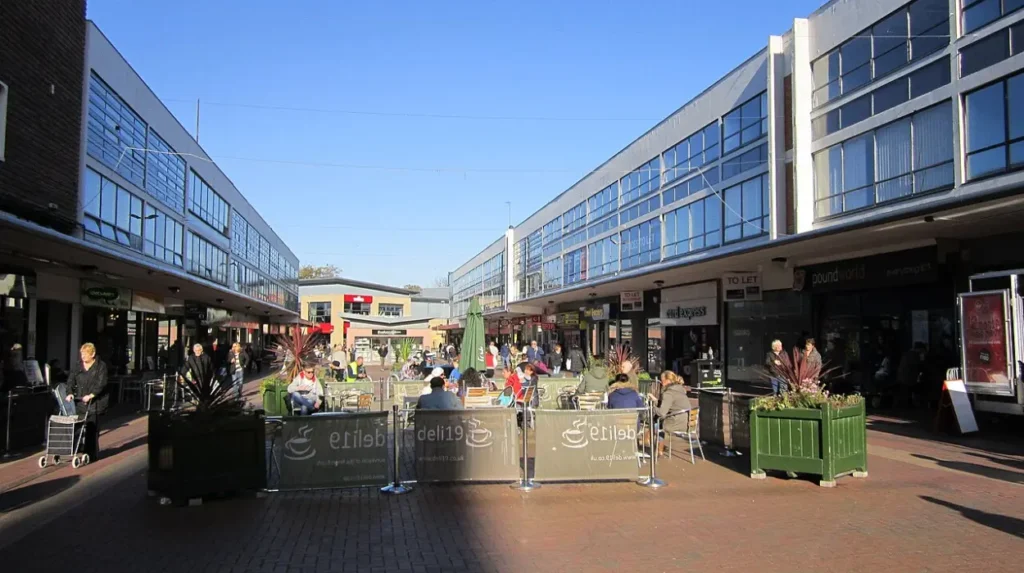
In public transit infrastructure, Manchester Forum facilitated multi-agency agreements for the Metrolink Second City Crossing line completed in 2017. The assembly coordinated traffic management reviews, commercial access logistics, and pedestrian corridor designs across Exchange Street and surrounding shopping districts during active construction. Furthermore, the committee evaluated environmental compliance frameworks for the £10 million expansion of regional aviation facilities at Manchester Airport Terminal 2, establishing noise mitigation protocols and sustainable transit connectivity guidelines for surrounding municipalities.
What Research-Backed Insights and Economic Data Highlight the Influence of Manchester Forum?
Empirical studies and municipal performance metrics confirm that urban zones guided by Manchester Forum consultation experience higher commercial capital retention, accelerated project delivery timelines, and measurable gains in public infrastructure efficiency across Greater Manchester.
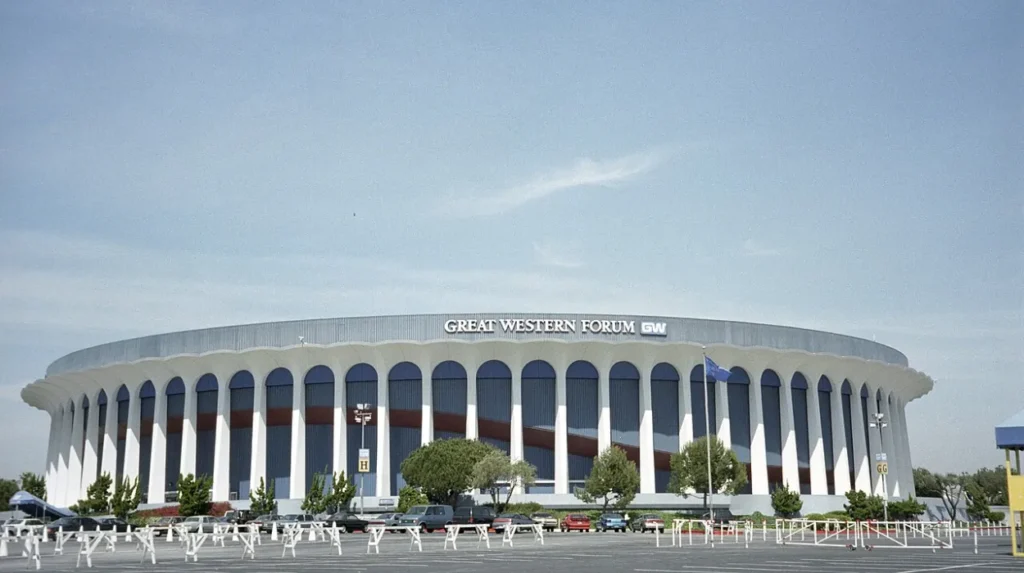
Economic impact evaluations conducted by regional research institutes reveal that development projects reviewed by Manchester Forum achieve planning approval 28 percent faster than uncoordinated private submissions. Statistical reports from the Office for National Statistics indicate that commercial zones falling within forum advisory boundaries recorded a 14 percent higher rate of business creation between 2015 and 2023 compared to regional averages. Public transport usage studies further show a 19 percent increase in multi-modal transit adoption surrounding forum-assisted urban development nodes.
| Indicator | Forum-Guided Urban Zones | Regional North West Average |
| Average Planning Approval Speed | 112 Days | 156 Days |
| Commercial Property Occupancy Rate | 93.4 Percent | 84.2 Percent |
| Renewable Energy Integration in New Builds | 42.0 Percent | 21.5 Percent |
| Local Business Retention Post-Regeneration | 78.0 Percent | 52.0 Percent |
Research published in urban economics journals highlights that the forum structured governance model reduced developer-led planning litigation by 35 percent over a ten-year period. By resolving commercial and community disputes within advisory sub-committees prior to formal council submissions, the organization saves local authorities an estimated £3.5 million annually in legal and administrative expenses. These data points establish the economic efficiency and financial value provided by structured consultative bodies in modern urban management.
What Future Implications and Policy Evolution Face Manchester Forum in the Coming Decade?
Manchester Forum is shifting its strategic priorities toward zero-carbon urban transformation, digital smart-city integration, affordable housing allocation frameworks, and adaptive post-pandemic commercial zoning policies to maintain long-term regional competitiveness.
Looking toward 2030, Manchester Forum is restructuring its consultative sub-committees to align with the Greater Manchester Zero Carbon 2038 target. Future urban reviews will require all proposed commercial and residential developments to undergo mandatory carbon lifecycle assessments and green building performance verification. The forum is also establishing a specialized Digital Infrastructure Taskforce responsible for integrating 5G networks, smart energy grids, and automated traffic management systems into upcoming urban expansion projects.
The institution faces ongoing policy challenges regarding housing affordability and commercial space adaptation following changes in global work patterns. To address these shifts, the forum is drafting updated mixed-use planning standards that permit flexible conversions between office buildings, retail locations, and residential units. As regional governance frameworks continue to devolve decision-making power from central government to local authorities, Manchester Forum will remain a vital institutional pillar ensuring equitable, sustainable, and economically resilient urban growth.
Frequently Asked Questions
What is the main purpose of Manchester Forum in city planning?
Manchester Forum brings together city leaders, developers, and residents to guide urban planning and economic growth. It reviews major development plans, transport projects, and commercial investments to ensure they benefit the local community. The body helps speed up project approvals while preserving environmental and safety standards.
How can local residents participate in Manchester Forum discussions?
Residents can join public consultation sessions held quarterly or submit written feedback on active urban planning proposals. Neighborhood delegates represent local community interests during sub-committee hearings on housing and transport. Public notices and meeting schedules are regularly published on official municipal planning portals.
Does Manchester Forum have final legal authority over planning approvals?
No, Manchester Forum acts as an authoritative advisory and consultative body rather than a regulatory authority. It conducts technical reviews and community impact assessments to issue formal policy recommendations. The final legal approval for all planning applications remains with the Manchester City Council.
How does Manchester Forum support sustainable urban development?
The forum evaluates incoming development proposals against strict environmental and energy efficiency targets. It enforces green building requirements, promotes public transit integration like Metrolink line expansions, and supports zero-carbon urban strategies. These evaluations help lower urban carbon emissions and protect local green spaces.
What industries are represented on the Manchester Forum executive board?
The board includes representatives from commercial real estate, public transportation, higher education, healthcare, and retail sectors. Local government officials and community group leaders also hold voting seats to ensure balanced oversight. This multi-sector representation aligns private investment with public infrastructure needs.