Key Points
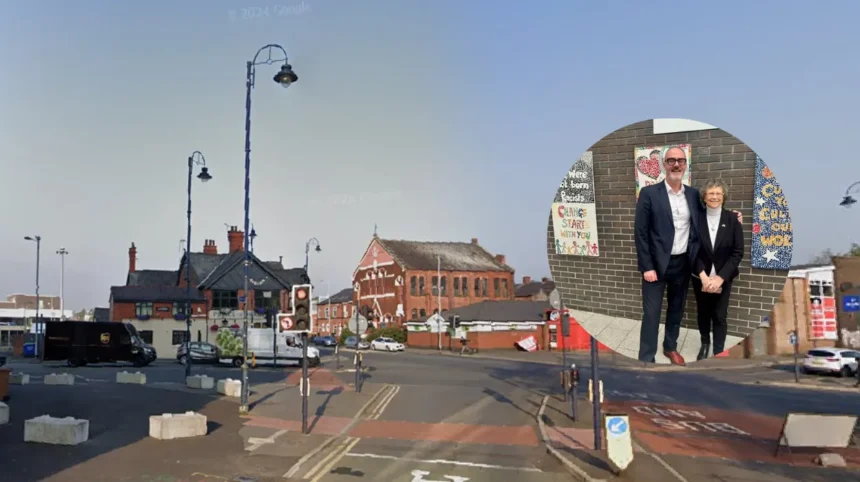
- Hate Crime Awareness Mosaic created by the local residents, young people and community groups of Tameside is on show in the borough.
- Over 200 residents and 90 Tameside College students participated in the mosaic making process.
- This project has been carried out by the Community Safety Partnership of Tameside Council in one year period.
- Nine groups worked with an artist, Caroline Coates, creating their own mosaic panels.
- These pieces of artwork are exhibited at the Ashton Interchange, Hyde Bus Station and Tameside College venues.
- The purpose of the project is to inform about hate incidents and hate crime and provide support information to the victims.
- This project is part of a wider Greater Manchester “Let’s End Hate Crime” campaign.
- The collaboration between Tameside Council and Transport for Greater Manchester made this public exhibition possible.
- If residents of Tameside experience hate crime, they can report them online and to the Greater Manchester Police.
Tameside (Manchester Mirror) September 23, 2026 – Tameside hate crime awareness artwork created by local young people, community groups and residents is being displayed at public locations across the borough as part of an initiative to promote diversity, respect and peace.
- Key Points
- How were the mosaic panels created?
- Where is the hate crime awareness artwork displayed?
- What did Tameside Council say about the project?
- How does the project support hate crime reporting?
- How is the artwork linked to wider Greater Manchester plans?
- Why were young people and community groups involved?
- What other hate crime awareness activities took place in Tameside?
- What is the background to the Tameside artwork display?
- How could the artwork affect Tameside residents?
More than 200 residents and 90 students from Tameside College took part in the project, which was delivered by Tameside Council’s Community Safety Partnership over the past 12 months.
The participants created mosaic artwork panels during a series of education and practical sessions. The project was designed to increase understanding of what constitutes a hate incident or hate crime, improve confidence in reporting incidents and make information about support available to victims more accessible.
The completed artwork is being displayed as a series of public murals. Panels created by Tameside College students are located at the college’s Beaufort Road and Old Street sites. Seven community panels have been installed at Ashton Interchange and Hyde Bus Station, two of the borough’s main transport hubs.
The locations mean the artwork can be seen by residents, students and Bee Network passengers using public transport in Ashton and Hyde.
How were the mosaic panels created?
According to Tameside Metropolitan Borough Council, the project began with education sessions delivered by the council’s Community Safety Team. Participants were introduced to the meaning and impact of hate incidents and hate crime before taking part in creative workshops.
Professional artist Caroline Coates worked with the participating groups to design and produce individual mosaic panels. Each group developed a key message based on its own experiences, ideas and understanding of the different strands of hate crime.
The council said the artwork reflects the views of the people involved while creating a shared public message about community, respect and peace.
The project involved nine groups and organisations from different parts of Tameside. They included:
- Water Adventure Centre in Droylsden.
- The Power of Resilience Stalybridge CIC.
- Thomas Ashton School in Hyde.
- Outloud LGBTQ Tameside and Tameside Youth Council.
- Ashton Youth Club at Holy Trinity Community Centre.
- Young People and Tameside Health Group, based at Ashton Central Mosque.
- Hyde Town Centre Residents Drop In.
- Tameside College ESOL groups, including adults and 16 to 19-year-olds.
The range of participating groups brought together young people, students, residents, community organisations and people learning English as an additional language.
Where is the hate crime awareness artwork displayed?
Tameside Council said the panels made by Tameside College students are displayed at the college’s Beaufort Road and Old Street sites.
The remaining seven community panels are located at Ashton Interchange and Hyde Bus Station. The two transport hubs were selected because they are used by large numbers of residents and students.
The public displays are intended to take the message beyond formal workshops and community meetings. By placing the artwork in busy public locations, the project provides an opportunity for people to encounter information about hate crime during their everyday journeys.
The display also connects the work of local groups with the wider community. Rather than presenting the issue only through official information, the panels communicate messages created by residents and young people who took part in the project.
Tameside Metropolitan Borough Council said Transport for Greater Manchester helped the authority display the artwork across the borough.
What did Tameside Council say about the project?
Tameside Council’s Executive Member for Towns, Transport and Connectivity, Councillor Stephen Homer, said the mosaic panels had brought an important message to life.
“It is excellent to see the fantastic Mosaic Panels bringing such an important message to life,” Councillor Homer said in a statement published by Tameside Metropolitan Borough Council.
He added that the people who participated had played an important role in raising awareness of hate crime and its impact. He also linked the project to efforts to create a more inclusive, respectful and welcoming Tameside.
Councillor Homer thanked Transport for Greater Manchester for helping the council display the artwork across the borough.
Howad Hartley, Facilities Director at Transport for Greater Manchester, said the organisation was proud to work with local communities.
“We’re always proud to work alongside local communities, and this is a great way to shine a light on this project,” Hartley said, according to the council.
He said the mosaics had been created by local people and celebrated respect and peace. Hartley added that TfGM was pleased to display the work at its bus stations for Bee Network passengers to see.
The statements indicate that the project is being presented as both a community safety initiative and a public arts project. Its organisers are using creative work to support education about hate crime while giving residents a visible role in shaping the message.
How does the project support hate crime reporting?
The project aims to improve public understanding of hate incidents and hate crime. The council said the sessions were intended to build people’s confidence to report incidents and help them find support.
Hate crime can affect victims because of characteristics such as race, religion, disability, sexual orientation or transgender identity. A hate incident may involve behaviour that a victim or another person believes is motivated by hostility or prejudice, even where the conduct does not meet the legal definition of a criminal offence.
The project’s educational element was delivered before the practical art sessions. This meant participants were able to discuss the subject before developing their own messages for the public panels.
The council said anyone experiencing hate crime can report it online or report it to Greater Manchester Police.
Residents can also use alternative reporting organisations and local Third-Party Reporting Centres. These services can provide another route for people who may not feel comfortable contacting the police directly or who need help explaining what happened.
Information about hate crime and local Third-Party Reporting Centres is available through Tameside Council’s hate crime service.
How is the artwork linked to wider Greater Manchester plans?
The mosaic initiative forms part of the wider Greater Manchester “Let’s End Hate Crime” campaign.
The regional campaign seeks to raise awareness of hate crime, encourage reporting and promote support for victims across Greater Manchester. Tameside’s artwork project adds a local dimension by involving community members directly in creating the campaign material.
The project also connects with earlier hate crime awareness work in Tameside. In February 2026, Tameside Council’s Community Safety Team worked with local organisations on activities for Hate Crime Awareness Week, including creative sessions, support information and inclusive events.
A separate council announcement said residents were invited to attend “Too Great for Hate” activities, including a community mosaic session with Caroline Coates. Other activities included an awareness stand in Stalybridge, a peace-themed event delivered by Thomas Ashton School and batik activities aimed at bringing cultures and residents together.public.tameside.gov
That earlier programme included information about reporting and support services, as well as opportunities for residents to make positive messages about unity and respect.
The mosaic panels now displayed across Tameside therefore form part of a continuing series of community-based activities rather than an isolated event.
Why were young people and community groups involved?
The project gave young people and residents an opportunity to explore a serious social issue through creative activity.
Tameside College students took part through the Arts Award Discover programme, delivered by Tameside Council Cultural Services. The programme uses creative activities to help young people explore themes, messages and learning opportunities.
The involvement of students also allowed the project to reach people aged 16 to 19, alongside adult learners and other community participants.
Community groups brought different experiences and perspectives to the work. The participating organisations included youth groups, a school, an LGBTQ+ organisation, a mosque-based health group, residents’ groups and an English for speakers of other languages programme.
Each group created a message personal to its members. This approach allowed the final display to include a range of voices rather than one statement produced solely by a public authority.
The council’s description of the project focuses on the combined themes of community, respect and peace. These themes are also reflected in the statements from Tameside Council and TfGM about creating a more inclusive and welcoming borough.
What other hate crime awareness activities took place in Tameside?
Tameside Council’s February 2026 Hate Crime Awareness Week programme included activities designed to involve residents in education, art and community support.
The council said groups received funding from the Greater Manchester small community grants programme to support local hate crime awareness activities. Events included creative art sessions, access to support services and inclusive activities intended to bring residents together.
The programme included a “Too Great for Hate” community drop-in mosaic session. Visitors were invited to add a piece to a community mosaic panel, with Caroline Coates and the Community Safety Team present during the session.
Stalybridge hosted an awareness stand focused on hate crime, shared values for a Talking Wall and information about reporting and support services. Safe Space Wellbeing Lab was also involved.
Thomas Ashton School delivered an inclusive event promoting unity and peace. The programme included a church choir and an activity in which participants decorated a wooden peace dove with a personal pledge for display on a Peace Tree at the community centre.
Another event brought cultures and residents together through positive “Too Great for Hate” messages in batik, alongside practical activities for families.
Councillor Stephen Homer said the week was intended to highlight unity, respect, the meaning of hate crime, reporting routes and support for victims. Councillor Taf Sharif, Tameside Council’s Executive Member for Population Health and Equalities, said building stronger and safer communities was a shared responsibility.
What is the background to the Tameside artwork display?
The artwork display follows a 12-month project led by Tameside Council’s Community Safety Partnership. It combined hate crime education with practical art workshops involving residents, students and community organisations.
The council has used similar community-focused approaches in its wider hate crime awareness work. Previous activities have included presentations on hate crime and community cohesion for local groups, as well as creative projects intended to make the subject easier to discuss.
The regional context is the Greater Manchester “Let’s End Hate Crime” campaign. Tameside’s contribution uses public artwork to make the message visible in transport hubs and educational settings.
The choice of Ashton Interchange, Hyde Bus Station and Tameside College sites gives the project a broad public audience. The artwork is not restricted to a council building or a temporary meeting space, allowing residents to see the panels while travelling, attending college or using local services.
The council has not stated how long each panel will remain on display. It has, however, confirmed that the completed works are now located across the borough.
How could the artwork affect Tameside residents?
The display could give residents clearer information about hate crime and encourage more people to consider reporting incidents or seeking support.
For victims and witnesses, seeing hate crime discussed in prominent public places may help reinforce that such behaviour should be reported and that support is available. The involvement of local residents and young people may also make the message feel more connected to the communities using the transport hubs.
For students, the project provides an example of how education, creative work and community safety can be combined. For participating groups, it creates a permanent public record of their messages about respect and inclusion.
The artwork alone cannot measure whether reporting increases or whether hate crime decreases. Its stated purpose is to raise awareness, improve understanding and support confidence in reporting. The longer-term effect will depend on whether residents know where to report incidents and whether victims receive appropriate support after making a report.
Residents experiencing hate crime can report online or contact Greater Manchester Police. They can also seek help through alternative reporting organisations and local Third-Party Reporting Centres listed by Tameside Council.