Key Points
- The Transport for Greater Manchester (TfGM) has announced tram cancellations and closure of some stations on important Metrolink lines from Monday, October 19 until Sunday, November 1, 2026.
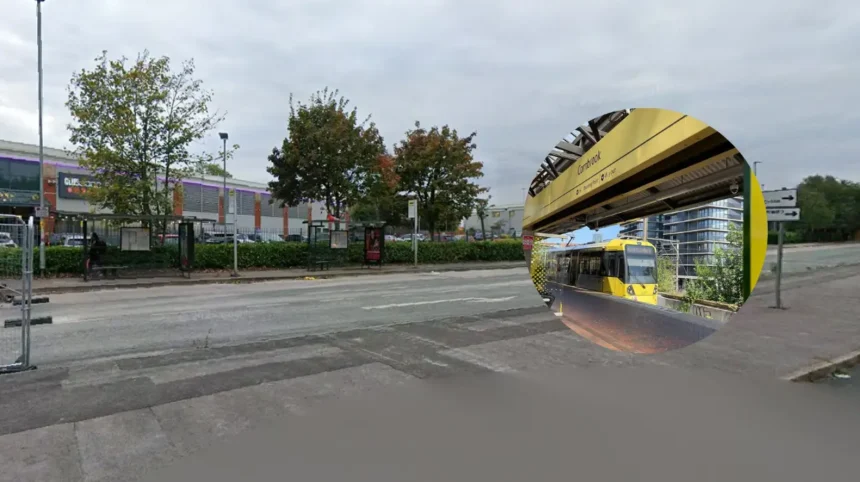
- This two-week-long engineering work will lead to the closure of three important stations namely Deansgate-Castlefield, Cornbrook, and Trafford Bar.
- The three lines which will be affected include the Altrincham, Trafford Centre, and Eccles, whereas East Didsbury and Manchester Airport services will end at Firs and Rochdale services at Exchange Square.
- The area being called as “one of the busiest corridors in Europe” sees trams passing every 30 seconds for 20 hours each day, seven days a week.
- According to TfGM, the £150 million investment will see replacement of about 4km of track and installation of drainage, which is expected to eliminate the speed restrictions and increase reliability.
- After complaints during last summer’s closure period, TfGM has increased direct replacement bus services and additional capacity on certain Bee Network lines.
- The additional works are due to take place between Monday, September 21 and Saturday, September 26, and from Sunday, September 27 until Friday, October 2. This includes the Market Street, Shudehill, Piccadilly Gardens, St Peter’s Square and adjacent stops.
Manchester (Manchester Mirror) September 18, 2026 – Metrolink trams cancelled on key lines across Greater Manchester with three major stations to shut as part of autumn engineering works, Transport for Greater Manchester (TfGM) has confirmed.
- Key Points
- What routes and stations are affected by the Metrolink closures?
- Why are Metrolink trams being cancelled and stations shut?
- What did passengers say about previous Metrolink closures?
- How is TfGM responding to passenger feedback?
- What other Metrolink engineering works are scheduled in the city centre?
- Background to the Metrolink development
- Prediction: how this development can affect commuters and local businesses
The planned closures will run from Monday, October 19 to Sunday, November 1, 2026, and will suspend operations at Deansgate-Castlefield, Cornbrook and Trafford Bar stations, affecting the Altrincham, Trafford Centre and Eccles lines, according to reporting by the Manchester Evening News.
What routes and stations are affected by the Metrolink closures?
As reported by journalists at the Manchester Evening News, TfGM revealed that trams heading to East Didsbury and Manchester Airport will terminate at Firs during the closure period, while services to Rochdale will conclude at Exchange Square. The recently opened Bury to Ashton-under-Lyne line is not expected to be impacted by these particular works, the outlet noted.
The section of the network due to close is described by TfGM as “one of the busiest in Europe”, with trams traversing the corridor every 30 seconds for 20 hours daily, seven days a week, according to the Manchester Evening News.
Why are Metrolink trams being cancelled and stations shut?
TfGM indicated that the ongoing work will facilitate the lifting of further speed limitations along the line, resulting in journeys that are “quicker and more dependable”, as cited by the Manchester Evening News. The authority stated that this period will also be used for additional work in the city centre, aiming to “minimise future tram network closures”.
As part of a broader £150 million investment to maintain and enhance the network, approximately 4 kilometres of track will be replaced, along with extensive groundwork that includes new drainage systems, the Manchester Evening News reported. TfGM has assured that this will be the “final significant tram track upgrades” for the year, though a weekend closure with similar restrictions will be necessary at Trafford Bar and Deansgate-Castlefield on the weekend of November 14 and 15 for follow-up work, according to the outlet.
What did passengers say about previous Metrolink closures?
This disruption follows a summer of “chaos” and “nightmare journeys”, when the same stretch was closed for three weeks for drainage, foundation and track replacements in the tunnels at Cornbrook, the Manchester Evening News noted. TfGM previously cautioned that additional closures would be required to complete the work this autumn, explaining that the upgrades were being executed in phases due to their “scale and complexity”, as reported by the outlet.
While bus replacement services were offered during the summer closure, many travellers expressed frustration over their commutes, describing them as “a joke”, according to the Manchester Evening News. One parent noted that it took her two-and-a-half hours to reach Salford Quays during the closure, the outlet reported. She remarked, “My commute home was a joke. I understand the necessity for essential maintenance, but enough services should be provided to accommodate the large number of commuters relying on trams daily. Common sense dictates that one bus does not equate to one tram during rush hour! It’s utterly exasperating, and we’re only on day two! Over two more weeks of this.”
Another commuter stated, “It took me two and [a half] minutes from Trafford Centre to Sale. I could walk there in half that time… I’ve learned my lesson,” as quoted by the Manchester Evening News.
How is TfGM responding to passenger feedback?
In response to feedback received during the summer closure, TfGM has implemented various changes “aimed at making journeys smoother” this time, the Manchester Evening News reported. These modifications will include more direct replacement bus services “operating between key points rather than stopping at all locations” and the addition of extra buses on selected Bee Network routes affected by the closures to enhance capacity, according to the outlet.
Ian Davies, TfGM’s network director for Metrolink, commented:
“We are undertaking this work to ensure that Metrolink remains safe, dependable and prepared for the future. However, we acknowledge that this will disrupt many individuals. We apologise for the inconvenience and are striving to ensure that you can still reach your destinations,”
as reported by the Manchester Evening News.
He added,
“Since the summer closure, we have carefully considered the feedback we received. Customers expressed a desire for clearer information, expedited replacement journeys and more travel options, and we have incorporated that feedback into our plans for this autumn,”
the outlet quoted him as saying.
Davies concluded, “There is never an ideal time to conduct significant work on one of the busiest light rail networks in Europe, but these enhancements are vital for maintaining the reliable public transport network that Greater Manchester requires,” according to the Manchester Evening News.
What other Metrolink engineering works are scheduled in the city centre?
In the upcoming weeks, engineering work will also occur in the city centre, the Manchester Evening News reported. From Monday, September 21 to Saturday, September 26, trams will not operate between Market Street and Shudehill, with services rerouted via Exchange Square, according to the outlet. This will be succeeded by additional works at Piccadilly Gardens from Sunday, September 27 to Friday, October 2, during which no trams will run between St Peter’s Square, Market Street and Piccadilly, the Manchester Evening News noted.
Background to the Metrolink development
The current round of closures builds on earlier summer engineering works that saw the same busy corridor shut for three weeks to allow drainage, foundation and track replacement works in the Cornbrook tunnels, as previously reported by the Manchester Evening News. TfGM has framed the autumn programme as the final major track upgrade phase for 2026 within its wider £150 million investment, intended to remove lingering speed restrictions and improve journey times and reliability across the network. The authority has also scheduled a shorter weekend closure in mid-November at Trafford Bar and Deansgate-Castlefield to complete follow-up tasks, indicating a phased approach to minimise prolonged disruption while delivering long-term capacity and performance gains.
Prediction: how this development can affect commuters and local businesses
For daily commuters, students and shift workers who rely on the Altrincham, Trafford Centre and Eccles lines, the two-week closure is likely to increase journey times, elevate crowding on replacement buses and push some travellers to seek alternative routes via rail or park-and-ride options. Passengers travelling to Manchester Airport and East Didsbury may face additional interchange pressure at Firs, while Rochdale-bound riders will need to adjust to terminating at Exchange Square, potentially lengthening end-to-end trips during peak periods.
Local businesses in the city centre and along the affected corridors could see reduced footfall during the closure window, particularly if replacement services are perceived as slower or less frequent than normal tram operations. If TfGM’s targeted improvements successfully lift speed restrictions and deliver more dependable services after November, the short-term disruption may translate into smoother, faster journeys and higher capacity during peak hours, benefiting regular commuters and supporting longer-term economic activity around key stations.