Key Points
- Sumak, a dog, managed to fall into the Ancoats Canal in Manchester but could not escape because of the steep and slippery walls.
- Batu Akyol, the owner of the dog, held onto its leash so that it did not fall into the canal.
- Jack Spencer Furmston and Ben Camphor, who were coming back from a coffee shop near the canal, jumped in to help save the dog.
- The rescue team lowered a man head down into the canal and helped him to pull the dog from the canal using his hands.
- The rescue efforts have been captured in a video posted by USA Today and appreciated by many people online for their joint efforts.
- The whole event raises questions about the safety of canals and the use of leashes around the water.
Ancoats (Manchester Mirror) September 12, 2026 — An ordinary walk by the Ancoats Canal turned into a tense rescue operation after a dog slipped into the water and became trapped, prompting bystanders to lower a man upside down over a ledge to pull the animal to safety.
- Key Points
- What happened during the Ancoats Canal dog rescue?
- Who were the people involved in saving Sumak?
- Why did the dog fall into the canal and could not get out?
- How was the man lowered upside down over the ledge safely?
- What advice follows this canal rescue for pet owners?
- Where can readers find similar animal rescue stories?
- Background to the Ancoats Canal rescue development
- Prediction: how could this development affect dog owners and canal users?
What happened during the Ancoats Canal dog rescue?
Dog owner Batu Akyol was walking his dog, Sumak, near the Ancoats Canal when the animal fell into the muddy water and could not climb back out because of the canal’s steep sides. According to coverage by The Cooldown and Yahoo News, Mr Akyol used the leash to keep Sumak’s head above water while the situation unfolded.
Students Jack Spencer Furmston and Ben Camphor, who were on their way home from a nearby coffee shop, spotted the incident and immediately moved to help. More passers-by soon joined, forming an impromptu rescue team. As reported in video descriptions shared by USA Today,
“Strangers worked together to save a dog that had fallen into a canal by dangling over a wall and pulling him up.”
The group supported one man as he was lowered head-first over the canal ledge, enabling him to reach down and lift Sumak out of the water. The quick, coordinated response appears to have prevented a more serious outcome for the dog.
Who were the people involved in saving Sumak?
The rescue centred on three named individuals: owner Batu Akyol, who remained with Sumak in the water holding the leash; and students Jack Spencer Furmston and Ben Camphor, who initiated the bystander response. Additional members of the public assisted by steadying the man who was dangled over the ledge, creating a human chain to manage the risk.
Online reactions highlighted the collective nature of the effort. One commenter wrote, “His tail. He was so happy,” while another added, “Just when you give up on humanity this gives you faith again,” according to The Cooldown’s report on the incident.
Why did the dog fall into the canal and could not get out?
The Cooldown notes that deep water can be dangerous for pets, with slippery walls and limited exit points turning even a short fall into a life-threatening situation, especially if an animal becomes scared or tired. In this case, the canal’s steep sides prevented Sumak from climbing out unaided, leaving the dog dependent on the owner and bystanders for survival.
How was the man lowered upside down over the ledge safely?
Coverage indicates that multiple people were involved in stabilising the rescuer as he was lowered over the wall, reducing the risk of him falling into the canal. The approach relied on group support rather than a solo attempt, which experts and commentators suggest can help keep such emergencies from worsening.
What advice follows this canal rescue for pet owners?
In the wake of the incident, The Cooldown outlines several practical steps for pet owners near canals, rivers and steep embankments. These include keeping dogs close on a leash, identifying ramps or lower access points in advance, and calling for help immediately if a pet ends up in dangerous water. The report also warns that water rescues can be hazardous for humans, advising against solo attempts and urging caution even when bystanders are present.
Broader safety measures mentioned include improved railings, clearer warning signs and easier escape points for both animals and people at waterfront locations.
Where can readers find similar animal rescue stories?
The Cooldown situates Sumak’s rescue alongside other recent incidents in which members of the public rallied to help trapped animals, including reports of dogs caught in plastic waste and volunteers aiding wildlife after wildfires. These stories, referenced in the article, underscore how quickly strangers can organise when an animal is in trouble.
Background to the Ancoats Canal rescue development
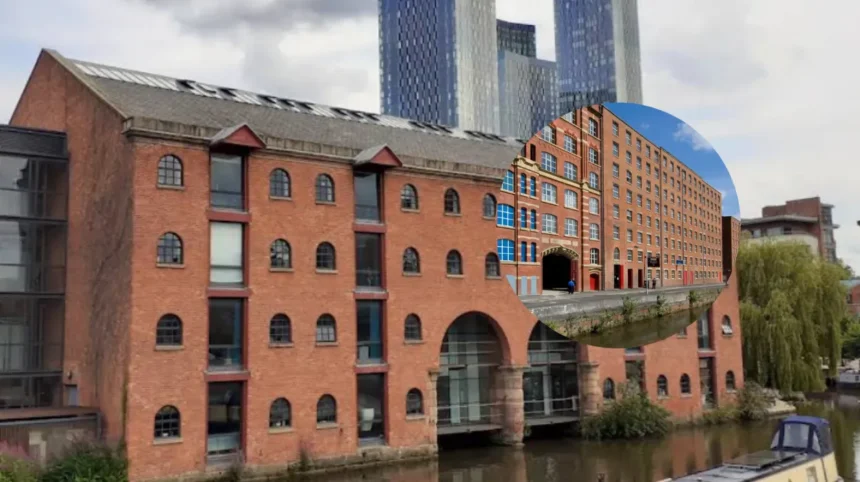
The Ancoats Canal runs through a regenerated part of east Manchester, an area that has seen significant residential and commercial development in recent years. Canals in the region are popular walking routes but present known risks for pets and people due to steep banks, slippery surfaces and limited exit points. Incidents of animals falling into local waterways periodically draw attention to the need for improved safety infrastructure and public awareness of water hazards.
This latest rescue follows a pattern seen in other UK canal towns, where bystander interventions have prevented drownings but also highlighted the dangers of improvised rescues. Safety campaigns by waterways authorities and animal welfare groups have long emphasised leash use near canals and the importance of seeking professional help where possible, although immediate action by members of the public is often required in fast-moving emergencies.
Prediction: how could this development affect dog owners and canal users?
The widespread sharing of the Ancoats Canal rescue video and accompanying coverage is likely to increase awareness among dog owners and regular canal users about the specific risks posed by steep, slippery banks. For dog owners in Manchester and similar urban areas, the incident may encourage more consistent leash use near water, closer supervision on walks, and greater familiarity with safe access and exit points along local canals.
For local authorities and canal managers, heightened public attention could strengthen calls for practical safety improvements such as additional railings, clearer signage and more frequent rescue-friendly access points. At the same time, the story may prompt renewed discussion about the limits of bystander intervention, with safety organisations likely to reiterate that while community action can save lives, untrained water rescues carry significant risk and should be approached with caution.
Over time, repeated coverage of incidents like this could contribute to behavioural changes among pet owners and support for infrastructure upgrades designed to reduce the frequency and severity of canal-related emergencies for both animals and people.