The Kneecap performance at Manchester Academy represents a pivotal milestone in contemporary Irish language hip-hop, bringing regional satirical music to an iconic UK venue while showcasing cultural preservation, political commentary, and sold-out live event dynamics within Greater Manchester.
- What Is the History of Kneecap and Manchester Academy as Cultural Venues?
- How Does Kneecap Incorporate the Irish Language into Modern Hip-Hop Performance?
- What Logistics and Venue Features Define Manchester Academy for Major Concerts?
- What Cultural Impact Did the Kneecap Manchester Show Have on the Local Community?
- How to Secure Tickets and Plan Attendance for Kneecap Shows at Manchester Academy?
- Frequently Asked Questions
- What is the capacity of Manchester Academy 1 for sold-out gigs like Kneecap?
- Do Kneecap perform their live shows entirely in the Irish language?
- How do you get to Manchester Academy from Manchester Piccadilly Station?
- What time do doors usually open for evening concerts at Manchester Academy?
- Are there age restrictions for attending live performances at Manchester Academy venues?
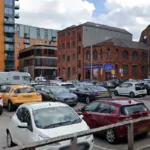
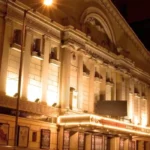
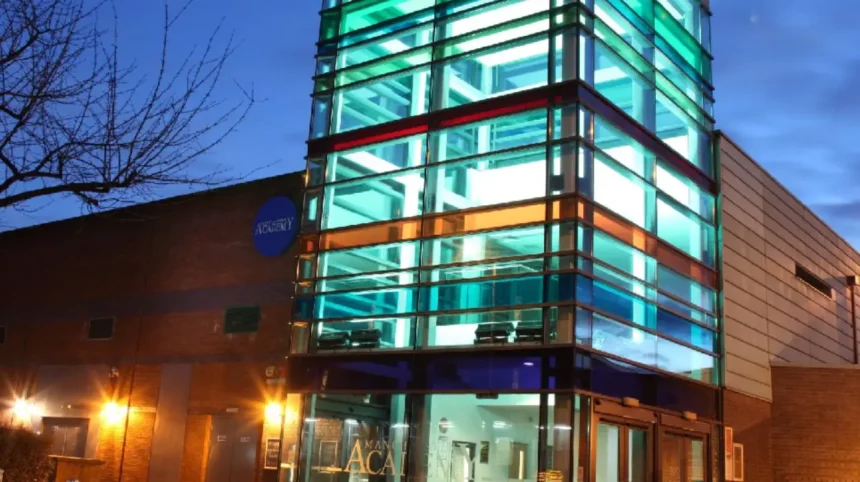
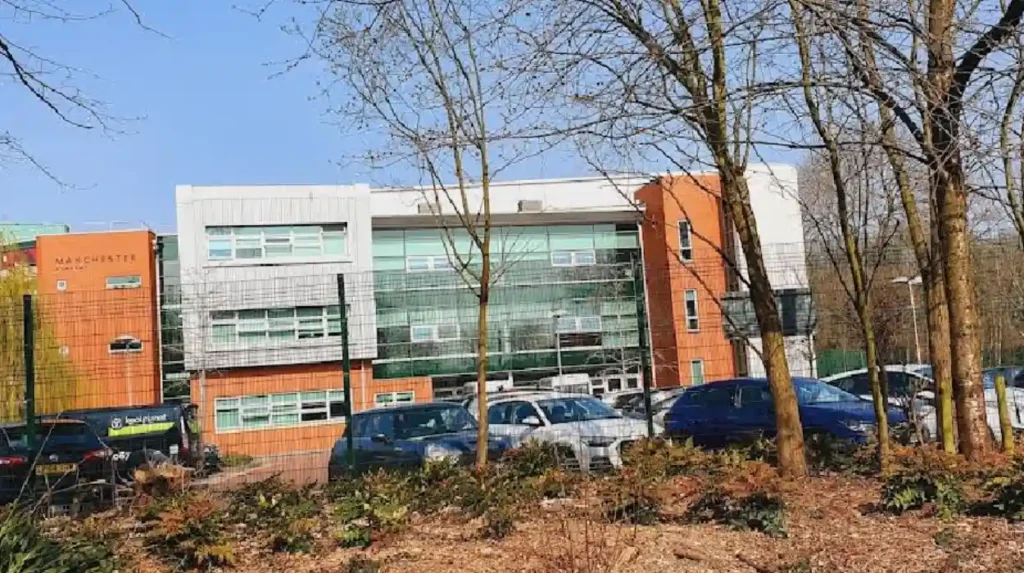
Manchester Academy serves as a premier venue complex located on Oxford Road within the University of Manchester Students Union campus. Built in 1990, the venue host system comprises four distinct rooms with capacities ranging from 450 to 2,600 attendees. The primary hall, Manchester Academy 1, has established a decades-long historical reputation for hosting major international touring acts, alternative rock groups, and emerging urban music talent. Kneecap, a Belfast-based hip-hop trio formed in 2017 comprising Mo Chara, Móglaí Bap, and DJ Próvaí, utilizes a fusion of Irish language, Northern Irish slang, and English lyrics. Their arrival at Manchester Academy marked a major expansion from intimate club gigs to large-scale British concert halls.
The performance highlights the growing mainstream commercial viability of non-English and bilingual rap within the United Kingdom live music circuit. Cultural sociologists note that filling the 2,600-capacity Manchester Academy demonstrates the band’s strong cross-regional appeal beyond traditional Irish demographic hubs. The venue provides advanced acoustic infrastructure, multi-tiered staging, and high-capacity crowd control systems suitable for high-energy alternative hip-hop events. Furthermore, the performance established Kneecap as a major touring act capable of driving significant ticket sales within the North West England cultural economy.
What Is the History of Kneecap and Manchester Academy as Cultural Venues?
The history of Kneecap involves rapid growth from West Belfast street art culture to international concert tours, while Manchester Academy has operated since 1990 as a foundational stage for landmark UK music history across alternative and urban genres.
Kneecap formed in West Belfast in 2017 following the release of their debut single C.E.A.R.T.A., which addressed Irish language youth rights and urban culture. The trio gained momentum through distinct visual branding, satirical political commentary, and energetic live show formats. Over six years, the group progressed from small community halls in Northern Ireland to major festival stages across Europe and North America. In parallel, Manchester Academy established its historical lineage within the British live music industry since opening its doors in September 1990. The venue complex was established to provide dedicated medium-capacity live performance spaces for the University of Manchester and the surrounding city region.
Over thirty-four years of operation, Manchester Academy has hosted over several thousand concert events featuring artists such as Nirvana, Blur, The Prodigy, and Lady Gaga. The convergence of Kneecap and Manchester Academy represents the continuation of the venue’s legacy of hosting politically charged, genre-defying musical acts. The Manchester show formed a central node in the group’s UK tour schedule, reflecting the city’s historical connection to Irish migration and counter-cultural movements. Venue archives indicate that tickets for high-profile hip-hop events at Manchester Academy consistently sell out rapidly due to the dense local student population.
How Does Kneecap Incorporate the Irish Language into Modern Hip-Hop Performance?
Kneecap incorporates the Irish language into hip-hop through bilingual code-switching, urban youth slang, satirical lyricism, and contemporary production beats, transforming traditional Gaelic speech into a modernized format for global concert audiences at venues like Manchester Academy.
The musical framework of Kneecap relies on a technique known as linguistic code-switching, where lyrics shift seamlessly between Irish and English phrases. This stylistic choice reflects the modern linguistic reality of Irish-speaking youth raised in urban Gaeltacht quarters and bilingual communities. The trio utilizes modern trap beats, boom-bap rhythms, and electronic basslines produced to commercial broadcast standards. By embedding modern topics such as youth culture, nightlife, and social commentary into Irish prose, the group counters historical perceptions of Gaelic as a purely academic or folk language.
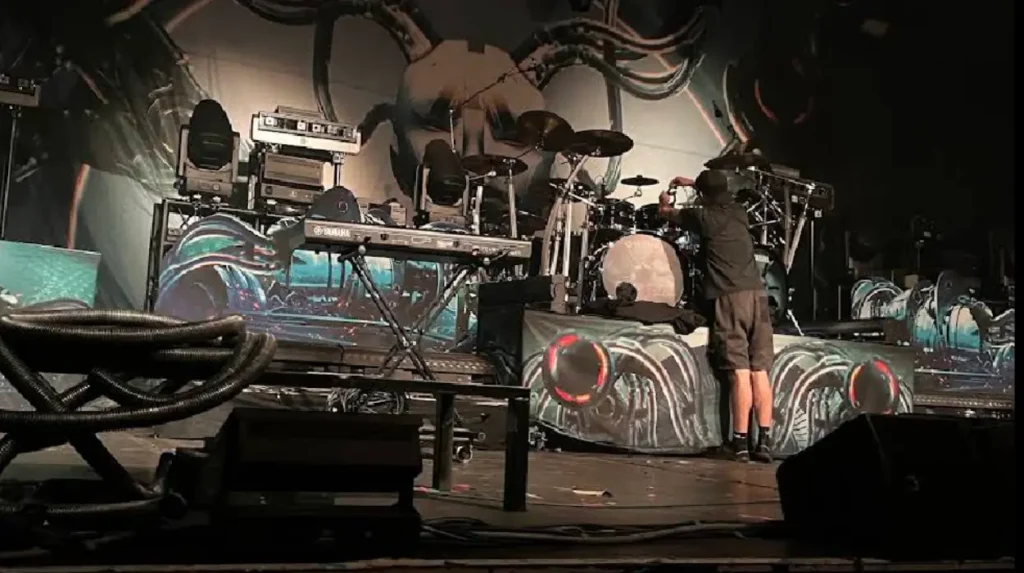
Educational and linguistic researchers highlight that Kneecap’s popularization of Irish terms has increased engagement with language learning tools among young music listeners. During live performances at Manchester Academy, visual projection systems display Irish typography, graphics, and satirical iconography alongside the audio setlist. The interactive nature of their shows encourages non-Irish speakers in the audience to chant core Irish phrases, demonstrating the cross-cultural transmission of regional language through music. The group’s 2024 self-titled biographical film further amplified global interest in their bilingual creative process, creating direct synergy with their live performance ticket demand across UK venues.
What Logistics and Venue Features Define Manchester Academy for Major Concerts?
Manchester Academy offers a 2,600-capacity main room, state-of-the-art sound reinforcement systems, centralized Oxford Road transport access, and security protocols tailored for high-intensity live hip-hop performances like the sold-out Kneecap tour dates.
Manchester Academy 1 utilizes an expansive clear-span floor design measuring over 1,000 square meters, allowing optimal sightlines for all standing attendees. The sound system utilizes modern line-array loudspeaker configurations engineered to deliver balanced acoustic pressure across low, mid, and high frequencies without distortion. Lighting rigs feature automated moving heads, LED arrays, and synchronized strobe units integrated with digital DMX control consoles for dynamic stage visuals. The venue layout features two primary public bar areas, dedicated merchandise distribution booths, and fully accessible spectator platforms elevated above the main floor area. Accessibility infrastructure includes ramped entranceways, step-free venue access, and specialized acoustic assistance loops for hearing-impaired patrons. Venue management operates strict security measures, including bag inspections, metal detection screening, and professional crowd control staff trained in managing high-density floor crowds. Transport connections to Manchester Academy are anchored by its location on Oxford Road, one of Europe’s busiest bus corridors, connecting directly to Manchester Piccadilly and Manchester Oxford Road railway stations. Parking availability includes university multi-storey facilities nearby, though public transit remains the primary access mode for event attendees. The structural layout ensures efficient ingress and egress times for peak crowd capacities during major evening show schedules.
What Cultural Impact Did the Kneecap Manchester Show Have on the Local Community?
The Kneecap performance at Manchester Academy reinforced Manchester’s long-standing cultural ties with Ireland, energized the local Irish diaspora community, and demonstrated strong demand for bilingual art forms within the North West England music scene.
Greater Manchester holds a deep historical connection to Ireland, with census data indicating a significant percentage of residents claiming Irish ancestry or cultural heritage. Kneecap’s appearance at Manchester Academy served as a gathering point for local diaspora communities, university students, and alternative music fans across the region. The event facilitated cross-cultural dialogue through art, bridging regional political histories with modern music consumption trends. Local businesses along Oxford Road and the Curry Mile reported increased foot traffic and hospitality sales on the evening of the concert event. Music journalists noted that the audience demography spanned young adult students to older generations interested in contemporary Gaelic revival movements.
The show also stimulated interest in local community art initiatives, independent record distribution, and bilingual youth programs across Greater Manchester. By securing a high-capacity venue like Manchester Academy, Kneecap demonstrated that non-English urban acts can successfully command major commercial venues in core British metropolitan markets. The performance generated extensive local media coverage, cementing the group’s standing as one of the most prominent live acts touring the UK regional venue circuit.
How to Secure Tickets and Plan Attendance for Kneecap Shows at Manchester Academy?
Securing tickets for Kneecap at Manchester Academy requires using official ticketing vendors like Ticketmaster or See Tickets, monitoring pre-sale announcements, arriving early via Oxford Road transport, and adhering to venue security guidelines.
Tickets for high-demand concerts at Manchester Academy are distributed primarily through accredited primary ticketing platforms including Ticketmaster, See Tickets, and Gigantic. Fans are advised to register accounts on official vendor sites prior to public sale dates to ensure fast checkout processing during high-traffic release windows. Official band mailing lists, University of Manchester Students Union bulletins, and venue venue alert systems provide early access codes for pre-sale ticket allocations.
Resale purchases should be limited to official face-value ticket exchange platforms like Twickets or official vendor resale portals to avoid fraudulent transactions. Attendees planning travel should utilize local bus services, including routes 41, 42, 43, and 142, which run continuously along Oxford Road from Manchester city center. Arrival at least 45 to 60 minutes prior to scheduled door opening times allows smooth navigation through security checks and ticket scanning turnstiles. The venue enforces standard age restrictions, requiring under-14s to be accompanied by an adult, alongside strict policies regarding prohibited items such as large bags, professional recording gear, and outside food or drink.
Frequently Asked Questions
What is the capacity of Manchester Academy 1 for sold-out gigs like Kneecap?
Manchester Academy 1 has a maximum capacity of 2,600 attendees for standing-only concert events. This makes it one of the largest indoor university student union venues in the United Kingdom, accommodating major international touring acts and high-demand hip-hop shows.
Do Kneecap perform their live shows entirely in the Irish language?
Kneecap performances feature a bilingual mixture of Irish and English lyrics, utilizing rapid code-switching throughout their setlist. The group combines traditional Gaelic terms with contemporary urban slang, allowing both Irish speakers and non-Irish speakers to fully understand and engage with the live performance.
How do you get to Manchester Academy from Manchester Piccadilly Station?
You can take a short bus ride from Piccadilly Gardens or Portland Street using frequent bus services including the 41, 42, 43, or 142 along Oxford Road. The transit journey takes approximately 10 to 15 minutes, dropping passengers directly outside the University of Manchester Students Union complex.
What time do doors usually open for evening concerts at Manchester Academy?
Standard door opening times for evening performances at Manchester Academy typically range between 7:00 PM and 7:30 PM. Curfew for major live music events is generally set at 11:00 PM to align with local council noise regulations and student union operational policies.
Are there age restrictions for attending live performances at Manchester Academy venues?
Most major gig events at Manchester Academy 1 are designated for ages 14 and over, though under-16s usually require accompaniment by a responsible adult over 18. Specific age requirements can vary by event host, so patrons should always check their official ticket confirmation details before attending.