Key Points
- Police cordon set up near Manchester Piccadilly station on Saturday morning
- Forensic tent erected at site on London Road between Store Street and Aytoun Street
- Location put under lock and key by Greater Manchester Police as investigation starts
- Traffic management system Inrix classifies incident as a medical emergency
- Incident yet to be confirmed until official police statement is released
- Passengers asked to steer clear of location
Manchester ( Manchester Mirror) September 5, 2026 – A significant police operation unfolded in Manchester city centre this morning as officers established a large cordon near Piccadilly station, with a forensic tent deployed at the scene on London Road. The development has prompted traffic disruptions and travel advisories for commuters in the area, as Greater Manchester Police work to secure the location and investigate the circumstances surrounding the incident.
- Key Points
- What Is Happening Near Manchester Piccadilly Station?
- Where Exactly Is the Police Cordon Located?
- What Have Authorities Said About the Incident?
- How Is the Incident Affecting Travel and Traffic?
- What Evidence Has Been Observed at the Scene?
- Background of the Development
- Prediction: How This Development Can Affect Commuters and City Centre Users
What Is Happening Near Manchester Piccadilly Station?
As reported by the Manchester Evening News, a substantial police presence was observed in the vicinity of Manchester Piccadilly station on the morning of Saturday, September 5, 2026. The cordoned area encompasses a section of London Road situated between Store Street and Aytoun Street, according to traffic monitoring service Inrix, which categorised the incident as a medical emergency.
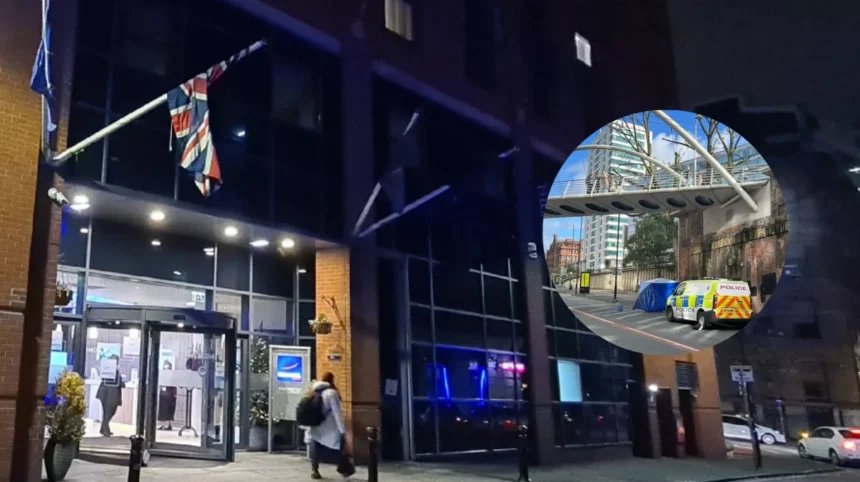
A blue forensic tent has been observed at the site, indicating that investigators are conducting examination work at the location. A Greater Manchester Police van was also stationed at the scene as officers worked to maintain the cordon and manage the area.
Where Exactly Is the Police Cordon Located?
The police cordon has been established on London Road in Manchester city centre, specifically in the area between Store Street and Aytoun Street. This location is in close proximity to Manchester Piccadilly station, one of the city’s primary transport hubs serving rail passengers and connecting to various destinations across the North West and beyond.
The affected area represents a busy section of the city centre, typically frequented by commuters, travellers, and pedestrians accessing the railway station and surrounding businesses. The establishment of the cordon has resulted in restricted access to this portion of London Road while police investigations continue.
What Have Authorities Said About the Incident?
At the time of initial reporting by the Manchester Evening News, specific details regarding the nature of the incident remained unconfirmed. The news outlet indicated that Greater Manchester Police had been contacted for additional information and comment regarding the circumstances that led to the deployment of the cordon and forensic resources.
According to the Manchester Evening News coverage, the specifics of the incident were described as unverified pending official confirmation from police authorities. No formal statement from Greater Manchester Police spokespersons had been released at the time of the initial reporting, and no details regarding casualties, arrests, or the precise nature of the emergency had been officially confirmed.
How Is the Incident Affecting Travel and Traffic?
The establishment of the police cordon on London Road has resulted in traffic implications for the area. Inrix, the traffic monitoring service, listed the incident in its traffic updates, categorising it as a medical emergency and noting the road closure between Store Street and Aytoun Street.
Commuters and travellers planning to use Manchester Piccadilly station or pass through the affected section of London Road have been advised to allow extra time for their journeys and to consider alternative routes where possible. The proximity of the cordon to the railway station means that pedestrians accessing the station may encounter police activity and restricted movement in the immediate area.
What Evidence Has Been Observed at the Scene?
Visual evidence from the scene, as reported by the Manchester Evening News, includes the deployment of a blue forensic tent at the location on London Road. The presence of such a tent typically indicates that forensic investigators are conducting examination and evidence-gathering work at the site.
Additionally, a Greater Manchester Police van was observed stationed at the scene, supporting the ongoing police operation and the maintenance of the cordon. The combination of the forensic tent and police vehicles indicates a structured investigative response to the incident.
Background of the Development
Incidents resulting in police cordons and forensic deployments in Manchester city centre are not uncommon, given the area’s status as a major urban centre with high footfall and transport activity. Greater Manchester Police routinely respond to a range of emergencies in the city centre, from medical emergencies to more serious incidents requiring investigation.
The area around Manchester Piccadilly station has previously been the location of various police operations over the years. The station itself serves as a critical transport node for the region, handling significant passenger numbers daily, which necessitates ongoing security and emergency response capabilities in the vicinity.
The deployment of forensic resources typically indicates that investigators need to examine the scene in detail to establish facts and gather evidence. Such procedures are standard practice in police investigations where the circumstances require careful documentation and analysis before the scene can be released and normal activity resumed.
Prediction: How This Development Can Affect Commuters and City Centre Users
The establishment of a police cordon near Manchester Piccadilly station is likely to have several implications for commuters, travellers, and city centre users in the immediate and short term. Based on typical patterns following similar incidents, the following effects can be anticipated:
Immediate Travel Disruptions: Commuters using London Road and accessing Manchester Piccadilly station via the affected route will experience delays and may need to seek alternative paths. The cordon restricts vehicular and potentially pedestrian access, meaning journey times will increase during the period the cordon remains in place.
Ongoing Investigation Timeline: Depending on the nature and complexity of the incident under investigation, the cordon could remain in place for several hours or potentially longer if extensive forensic work is required. This uncertainty can affect planning for those with time-sensitive travel commitments, particularly during weekend periods when alternative transport options may be less frequent.
Public Confidence and Awareness: Incidents of this nature typically prompt increased public awareness of safety in busy transport areas. While such incidents are isolated events, they can influence how members of the public perceive safety in city centre locations, potentially affecting footfall and commercial activity in the immediate vicinity during the investigation period.
Police Resource Allocation: The deployment of officers and forensic resources to this incident means those resources are dedicated to the investigation until the scene is released. This is standard operational procedure, but it does represent a concentration of police activity in one location that may have implications for response capacity elsewhere in the city centre during the same period.
Information Flow and Updates: As Greater Manchester Police release official statements and more details emerge, the situation may evolve with additional guidance for the public. Commuters and city centre users should monitor official police channels and local news sources for updates regarding the duration of the cordon and any additional advisories.
The incident underscores the importance of maintaining flexibility in travel plans when unexpected police operations occur in busy urban areas, and highlights the role of emergency services in responding to and investigating incidents that affect public spaces and transport infrastructure.