Key Points
- An employee of the Heinz plant in Wigan fainted while working at the workplace on Wednesday, September 2, 2026.
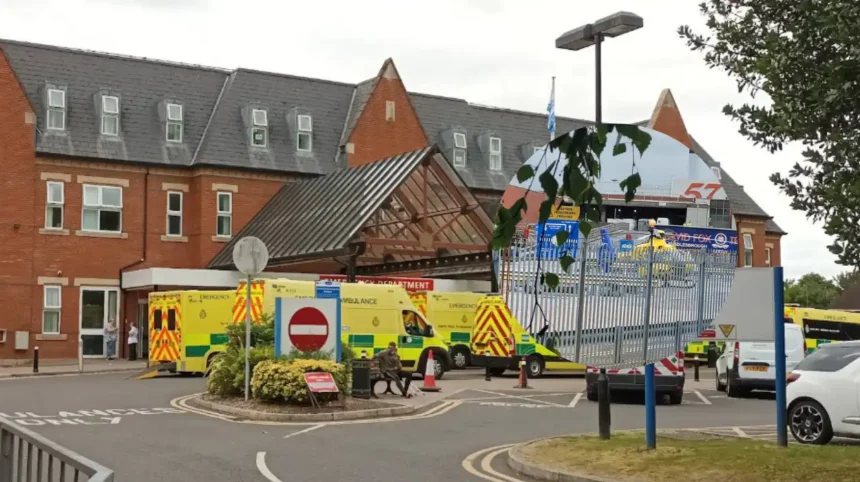
- The North West air ambulance arrived on the scene and landed at the Kitt Green site after the collapse of the employee.
- The employee was later rushed to Wigan Infirmary by road ambulance where he died about an hour later upon arrival.
- The Greater Manchester Police reported that despite the efforts of the medical practitioners, they could not revive the man.
- Kraft Heinz has been contacted for their comments but has not commented at the time of reporting.
Wigan (Manchester Mirror) September 03, 2026 – A member of staff at the Heinz factory in Wigan has died after suffering a medical episode at work, emergency services have confirmed. The incident occurred at the company’s Kitt Green plant shortly after 2pm on Wednesday, September 2, 2026, when the worker collapsed on site.
- Key Points
- Which emergency services responded to the Heinz Kitt Green incident?
- What has been the official response from authorities and Kraft Heinz?
- What is known about the Heinz Kitt Green plant in Wigan?
- Background of the development
- Prediction: How this development can affect workers and the local community
As reported by Wigan Today, the North West air ambulance was scrambled and landed within the grounds of the industrial facility as part of the emergency response. Following initial treatment at the scene, the worker was transferred by road ambulance to Wigan Infirmary for further medical care.
A spokesperson for Greater Manchester Police said that, very sadly, medics were unable to save the man and he died approximately one hour after arriving at the hospital. Police have not released the identity of the deceased worker, and no further details about the specific nature of the medical episode have been disclosed at this stage.
Which emergency services responded to the Heinz Kitt Green incident?
The emergency response to the incident involved multiple services, reflecting the severity of the situation. The North West air ambulance service was deployed and landed directly at the Kitt Green plant site, enabling rapid access to advanced medical care.
In addition to the air ambulance, road ambulance services were present to transport the worker to Wigan Infirmary. Greater Manchester Police also attended the scene and later issued a statement confirming the worker’s death.
The coordination of air and ground emergency resources highlights the critical nature of the medical episode and the urgency with which services responded to the call from the Heinz facility.
What has been the official response from authorities and Kraft Heinz?
Greater Manchester Police have confirmed the death and provided limited details about the incident. In a statement, a police spokesperson said that medics were unable to save the worker despite emergency efforts, and that he died at Wigan Infirmary.
Kraft Heinz, the company that operates the Kitt Green plant, has been approached for comment regarding the incident. At the time of reporting, no official statement from the company had been released.
The absence of a detailed public statement from Kraft Heinz is consistent with standard practice in the immediate aftermath of workplace incidents, particularly where investigations may be ongoing or where the company is coordinating with emergency services and authorities.
What is known about the Heinz Kitt Green plant in Wigan?
The Heinz Kitt Green plant in Wigan is one of the largest food manufacturing facilities in Europe and a major employer in the region. The site produces a wide range of Heinz products and has been a significant part of the local economy for decades.
The plant employs hundreds of workers and operates extensive production lines. Its size and industrial activity mean that it has established health and safety protocols and emergency response procedures in place for incidents of this nature.
The deployment of the air ambulance to the site indicates that the facility has the capacity to accommodate emergency landings, which is an important consideration for large industrial sites in terms of emergency preparedness.
Background of the development
Workplace medical emergencies, including cardiac arrests, remain a significant concern across industrial and manufacturing sectors in the UK. According to health and safety guidance, employers are required to have first aid provisions and emergency procedures in place to respond to medical incidents on site.
The Heinz incident follows a pattern of workplace medical emergencies reported across various industries, where rapid response from emergency services is critical to outcomes. The involvement of the air ambulance in this case underscores the importance of advanced medical support in time-sensitive situations.
In recent years, there has been increased focus on workplace health monitoring, first aid training, and the availability of defibrillators at industrial sites. While the specific circumstances of this incident have not been disclosed, the broader context includes ongoing efforts to improve emergency response capabilities and worker safety across manufacturing environments.
Prediction: How this development can affect workers and the local community
This incident is likely to have a number of effects on workers at the Heinz plant and the wider Wigan community. In the immediate term, colleagues and supervisors who were present or who knew the deceased worker may experience significant emotional distress, and the company may offer counselling or support services in response.
From an operational perspective, the incident may prompt a review of on-site medical emergency procedures, including the availability of first aid equipment, staff training, and coordination with local emergency services. While there is no indication at this stage that the incident was related to workplace safety failures, companies often use such events as opportunities to reinforce health and safety protocols.
For the local community, the death of a worker at a major employer like Heinz may raise broader questions about worker health and wellbeing in industrial settings. Community members and local representatives may seek reassurance that adequate measures are in place to protect workers and respond effectively to medical emergencies.
In the longer term, if further details emerge about the circumstances of the medical episode, there could be implications for how similar incidents are managed across the manufacturing sector. This could include increased emphasis on cardiac health monitoring, improved access to defibrillators, and enhanced training for staff in recognizing and responding to medical emergencies.