Key Points
- A total of six men were arrested on Thursday 20 August following GMP raids on five premises in Pendlebury and Clifton.
- Four premises on Hopwood Street in Pendlebury and one address on Castle Way in Clifton were raided.
- The raids came after several weeks of investigations into a drugs line dealing in class A substances including heroin and crack cocaine.
- The investigation was carried out by officers from the Salford Neighbourhoods Policing Team, in collaboration with the Challenger and Tactical Aid Unit (TAU) team.
- Cocaine and suspected heroin were seized in addition to two mountain bikes estimated to cost about £1,000 each and were believed to be stolen.
- Those who have been arrested were charged with possession of a class A substance, possession with intent to supply a class A substance, burglary, possession of an offensive weapon, and failure to appear in court.
- The suspects are currently in police custody for questioning.
- Chief Inspector Lee Gridley from the neighbourhoods said that the drugs line had been brought to a halt.
Manchester Crime (Manchester Mirror) August 20, 2026 — Six men were arrested this morning after officers from Greater Manchester Police (GMP) executed five simultaneous warrants at addresses in Pendlebury and Clifton, bringing to an end a weeks-long investigation into a suspected class A drugs line believed to be operating in the local area and concerned in the supply of heroin and crack cocaine.
- Key Points
- What happened during the Salford drug raids?
- Which addresses were searched in the Pendlebury operation?
- What offences led to the six arrests?
- What did officers recover during the searches?
- What did Chief Inspector Lee Gridley say about the arrests?
- How can the public report concerns about drugs?
- Background
- Prediction: how could this affect local residents?
What happened during the Salford drug raids?
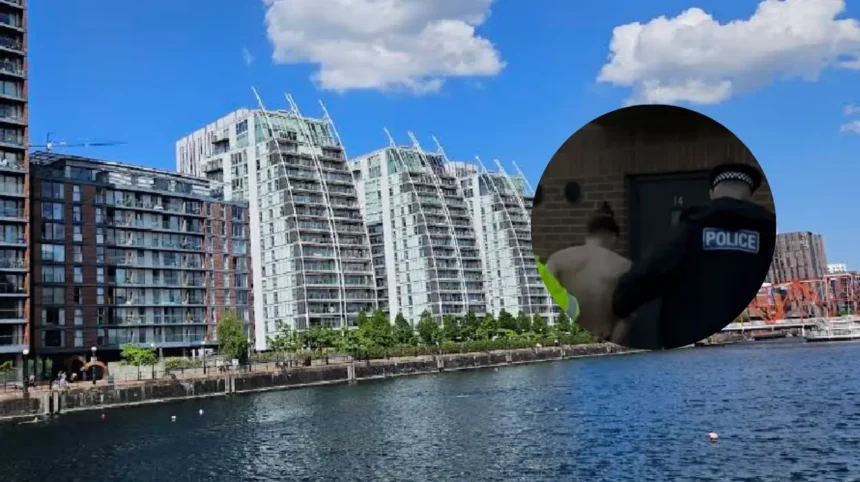
Officers from the Salford Neighbourhoods Policing Team (NPT), working alongside the Challenger unit and the Tactical Aid Unit (TAU), carried out the coordinated operation on the morning of Thursday 20 August. The raids involved forced entry into five properties, with four addresses on Hopwood Street in Pendlebury and one at Castle Way in Clifton targeted simultaneously.
The action came after several weeks of investigative work carried out by Salford neighbourhood officers into a suspected drugs line believed to be operating in the local area and concerned in the supply of class A drugs including heroin and crack cocaine. The warrants were executed as part of a wider effort to disrupt organised drug supply across the district.
Which addresses were searched in the Pendlebury operation?
The five warrants were served at four addresses on Hopwood Street, Pendlebury, and a fifth at Castle Way, Clifton. According to the force, officers gained entry by force before carrying out thorough searches of all the properties throughout what was described as a wet and dreary morning. The simultaneous timing of the warrants was intended to prevent suspects from warning one another and to maximise the chance of recovering evidence.
What offences led to the six arrests?
Six men were arrested on suspicion of a range of offences. These included possession of a class A substance, possession with intent to supply a class A substance, burglary, and possession of an offensive weapon. One individual was also detained after being wanted on failure to appear at court. All six men were taken into custody for questioning, and GMP confirmed that they remain in custody while the investigation continues.
What did officers recover during the searches?
As teams searched the properties, they recovered class A drugs suspected to be heroin and cocaine. Officers also found two suspected stolen mountain bikes, each with an estimated value of around £1,000. The recovery of the bicycles is understood to be linked to the burglary allegation, and the items will be examined as part of the ongoing investigation.
What did Chief Inspector Lee Gridley say about the arrests?
Neighbourhood Chief Inspector Lee Gridley, for GMP’s Salford District, welcomed the outcome of the operation. As reported by the force, he stated:
“I am really pleased with this morning’s result after several weeks of intelligence gathering by the team.”
He continued:
“We now have six individuals in custody for questioning, and a drugs line has been disrupted preventing harmful drugs from reaching the streets and vulnerable people being exploited.”
Chief Inspector Gridley went on to stress the impact of drug supply on communities, adding:
“Criminals involved in drug supply and organised crime undermine our communities and bring fear and misery to them. Our communities deserve better. We will take relentless and robust action against criminals to ensure they are brought to justice.”
He also appealed for public assistance, saying:
“We rely on information from the public. If you are concerned about suspicious activity in your area, I urge you to reach out and report it. You can do so by calling police on 101 or online via the LiveChat function at gmp.police.uk.”
How can the public report concerns about drugs?
GMP encouraged residents who are concerned about suspicious activity in their area to come forward. Information can be reported by calling police on 101 or through the LiveChat function available on the force’s website at gmp.police.uk. The force said it relies on information from the public to build cases and take action against those involved in drug supply and organised crime.
Background
The arrests in Pendlebury and Clifton form part of a sustained approach by GMP’s Salford District to tackle drug supply and organised crime. The Salford Neighbourhoods Policing Team is one of several neighbourhood units across Greater Manchester that carry out targeted enforcement operations based on intelligence gathered from local communities.
The use of the Challenger unit and the Tactical Aid Unit reflects the force’s strategy of deploying specialist resources for coordinated warrants, particularly where forced entry and the potential for confrontation are anticipated. Such operations are typically the culmination of weeks or months of intelligence gathering, including observations, reports from the public and analysis of local drug lines.
Drug lines, often referred to as county lines in the wider context of UK policing, involve the supply of class A drugs such as heroin and crack cocaine, frequently linked to the exploitation of vulnerable individuals. GMP has repeatedly stated that disrupting these lines is a priority because of the harm they cause both to those who use drugs and to the wider community.
Prediction: how could this affect local residents?
For residents of Pendlebury, Clifton and the wider Salford district, the disruption of a suspected drugs line could bring a period of reduced street-level drug activity in the immediate area. The removal of six individuals from the local supply chain, alongside the seizure of suspected heroin, cocaine and stolen property, may lead to a short-term reduction in drug-related incidents and associated crime such as burglary and antisocial behaviour.
In the longer term, the operation could act as a deterrent to others involved in drug supply, signalling that the neighbourhood team is active and responsive to intelligence. However, police often caution that drug lines can be quickly replaced or reorganised, meaning sustained enforcement and continued public reporting will be needed to maintain any gains. Residents who notice renewed suspicious activity are therefore likely to play a central role in shaping the force’s next steps, and GMP has made clear that information from the public remains a key tool in bringing offenders to justice.