Key Points
- Manchester outreach group Don’t Walk Past says it got parking fines that added up to than five hundred pounds while they were running a summer event for homeless people.
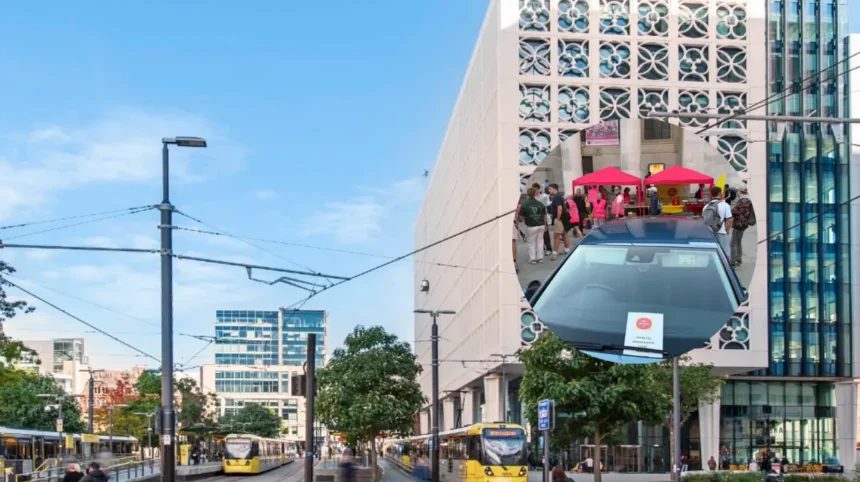
- The group was giving out food and clothing. Helping people in St Peters Square on Friday 31 July 2026. They had a lot of things at this event like food stations and people who would cut your hair for free and they were giving out drinks and ice cream and even taking care of peoples feet.
- The people who were helping out said that someone who enforces parking rules told them they had to move their vehicles.. Don’t Walk Past said no because they needed their vans to get all the supplies to the people who needed them.
- Manchester City Council said that least ten vehicles were parked in a place where they were not supposed to be and you are only allowed to park there in very special cases.
- The person who started Don’t Walk Past, Ronnie Hillyard said that they had been doing this kind of work in Manchester for eight years and they never got fined before. Don’t Walk Past thinks that they used to have support from Mayor Andy Burnham and the council.
- Now Don’t Walk Past is fighting the parking tickets.
- The council wants the people who run these street kitchens to work with the services that help people with bigger problems, like health issues and debt.
Manchester Council (Manchester Mirror) August 15, 2026 — Manchester outreach group fines totalling more than £500 have triggered a dispute between a volunteer-led organisation supporting homeless people and Manchester City Council.
- Key Points
- What did Don’t Walk Past say about the tickets?
- What services were provided at the event?
- Why did Manchester Council defend the fines?
- Did the group have permission to park there?
- What are the wider concerns about homelessness support?
- Background: What is Don’t Walk Past?
- Prediction: What could the fines mean for outreach groups?
The fines were issued during a special summer event organised by Don’t Walk Past in St Peter’s Square. According to the Manchester Evening News, the organisation had arranged a range of services for people experiencing homelessness, including free meals, haircuts, drinks, ice cream and foot care.
The group said its vehicles were parked close to the event because they were being used to carry food, clothing and other equipment. Volunteers argued that parking further away would have made it difficult to transport supplies to the square and continue distributing them to attendees.
A parking enforcement officer instructed the group to move its vehicles. When the volunteers did not do so, parking tickets were issued. Don’t Walk Past is contesting the fines.
The dispute centres on whether the group’s charitable purpose justified the presence of its vehicles in the square or whether the parking restrictions applied regardless of the event’s aims.
What did Don’t Walk Past say about the tickets?
Don’t Walk Past founder Ronnie Hillyard said the fines were unexpected and placed a significant financial burden on an organisation that depends on volunteers, member funding and donations.
As reported by Charlotte Fisher of the Manchester Evening News, Hillyard said the group had provided similar assistance in Manchester for eight years without receiving fines. He described the total cost of more than £500 as shocking.
The organisation regularly supports people experiencing homelessness several evenings each week. It also holds special events in St Peter’s Square three times a year and visits the location to distribute food.
Hillyard said the group believed the council was aware of its activities. He also claimed that Don’t Walk Past had previously secured approval from Mayor Andy Burnham and the council, describing the arrangement as “unofficial”.
According to the Manchester Evening News report, Hillyard said council representatives had visited the group in the past and knew that it operated in the square for a limited period before cleaning up and leaving.
He said the group had encountered two traffic wardens who were unfamiliar to the volunteers. Hillyard claimed the wardens called a supervisor, who then proceeded with issuing tickets for all the vehicles.
Hillyard also questioned how the group could move its vehicles while more than 100 homeless people were attending the event. He said the vehicles carried the supplies needed for the evening and were marked with the Don’t Walk Past name.
The group also displayed parking permits in the windscreens. Hillyard acknowledged that the permits were not official council permits but said they had functioned in practice as permission because the organisation had been allowed to use the area for several years.
What services were provided at the event?
The event was designed to provide more than a meal. Don’t Walk Past arranged several services intended to offer practical support and create a community atmosphere for people attending.
The Manchester Evening News reported that the event included:
- Multiple food stations.
- Complimentary haircuts.
- Drinks.
- An ice cream stand.
- Free foot-care services.
- Music and dancing.
- Football.
- Clothing and other supplies.
The organisation said its regular work involves supplying food and clothing to people experiencing homelessness across the city. The summer event was intended to provide attendees with what Hillyard described as a proper meal and a social occasion.
Despite the parking dispute, the group continued with the event. Hillyard said the incident did not change Don’t Walk Past’s commitment to helping people without homes.
One volunteer told the Manchester Evening News that the group generally received support while distributing food in different parts of the city. She said volunteers sometimes had to park in difficult locations, including on double yellow lines, but claimed that traffic wardens had usually been understanding.
The volunteer said the wardens involved in this incident behaved differently from those the organisation had previously encountered. She described the volunteers as furious and said Hillyard had become distressed during the confrontation.
The volunteer also said the incident created frustration among homeless attendees and members of the public who had come to the event. She argued that the organisation’s name, Don’t Walk Past, made the decision to issue fines appear particularly difficult for volunteers to accept.
Why did Manchester Council defend the fines?
Manchester City Council defended the enforcement action by pointing to the restrictions operating in St Peter’s Square.
A council spokesperson told the Manchester Evening News that the square is busy and that vehicle access and parking are prohibited unless exceptional circumstances apply. The spokesperson said anyone parked there without permission would receive a ticket, regardless of their intentions.
The council said at least 10 vehicles, including vans, had been parked without authorisation. It described the location as clearly inappropriate for the vehicles.
The council’s position is that the charitable purpose of the event does not remove the requirement to obtain permission or comply with parking restrictions. Its statement did not suggest that the fines were imposed because the group was providing food; rather, it said the enforcement action concerned unauthorised vehicles in a restricted public space.
The council also encouraged street kitchens to work with established homelessness services. It said those services could provide wider and longer-term support for people using food outreach programmes.
The council identified health, addiction and debt assistance as examples of support that could help address the circumstances contributing to homelessness.
It said indoor environments could offer quieter and safer settings for this type of assistance and argued that St Peter’s Square was not a suitable location for such work.
At the same time, the council said it shared the objective of helping people move away from situations in which they depended on street kitchens. It offered to work with Don’t Walk Past to develop alternative arrangements and connect the organisation with broader services.
Did the group have permission to park there?
The available reporting records different understandings of the group’s relationship with the council.
Don’t Walk Past said it believed its activities had been approved or informally accepted. Hillyard said the organisation had previously received support from Andy Burnham and that the council knew about its three annual events in St Peter’s Square.
However, the council said the vehicles were parked without authorisation. Its statement indicated that no permission had been granted for the 10 vehicles to park in the location during the event.
The disagreement therefore appears to involve both the practical use of the square and the status of any previous understanding. Don’t Walk Past refers to an established practice lasting eight years, while the council has relied on formal restrictions and the absence of current authorisation.
The Manchester Evening News report does not state that the council had issued a written exemption permitting the vehicles to park in St Peter’s Square. It also does not state that the council had formally cancelled such an exemption. The precise legal or administrative status of the group’s claimed permission remains unresolved in the available account.
The tickets are being contested, which means the dispute may continue through the relevant enforcement or appeals process.
What are the wider concerns about homelessness support?
The incident highlights a recurring tension between immediate assistance and longer-term homelessness services.
Don’t Walk Past provides direct support in public spaces. Its work allows volunteers to deliver food, clothing and personal-care services to people who may not be accessing formal services.
The council’s response focuses on connecting people with more comprehensive support. It referred to services dealing with health, addiction and debt, suggesting that food distribution alone cannot resolve the causes or circumstances of homelessness.
Both sides describe their work as supporting people without homes, but they differ over how that support should be delivered in St Peter’s Square.
The group says its presence is valuable because it reaches people directly and has built relationships over many years. The council says the square is unsuitable for vehicles and that indoor settings may provide a safer and more effective environment for wider assistance.
The disagreement is not evidence that either side rejects help for homeless people. It is a dispute over enforcement, access, co-ordination and the appropriate setting for outreach activity.
Background: What is Don’t Walk Past?
Don’t Walk Past is a volunteer-led outreach organisation supporting people experiencing homelessness in Manchester. According to the Manchester Evening News, it is funded through member contributions and donations and operates several evenings each week.
The group distributes food and clothing and also organises special events in St Peter’s Square. Its summer event on 31 July 2026 included food, personal-care services and recreational activities.
The organisation says it has operated in Manchester for eight years and has previously used vehicles near its outreach locations to carry supplies. Its founder, Ronnie Hillyard, said the group had not previously faced fines for similar work.
St Peter’s Square is a central public location in Manchester where access and parking restrictions apply. Manchester City Council said vehicle access and parking are prohibited there unless exceptional circumstances exist.
The latest dispute follows years of broader debate over how Manchester should respond to homelessness in public spaces. Earlier reporting has documented previous homelessness camps and enforcement activity in central Manchester, including disputes over the use of St Peter’s Square. Those developments are separate from the Don’t Walk Past parking tickets but provide context for the continuing sensitivity surrounding homelessness, public space and council enforcement in the city.
Prediction: What could the fines mean for outreach groups?
The immediate effect on Don’t Walk Past is likely to be financial and administrative. If the fines are upheld, the organisation may have to use donated funds to pay more than £500 instead of spending that money on food, clothing or services.
The dispute could also encourage outreach groups to seek written permission before holding events in restricted public areas. Informal understandings may not be sufficient if enforcement officers apply formal parking rules.
Manchester City Council may seek clearer arrangements with outreach groups, including designated loading areas, time-limited access or alternative venues. Such arrangements could allow groups to continue delivering supplies while reducing congestion and security concerns.
For homeless people attending similar events, any relocation could affect access to familiar volunteers and services. If alternative arrangements are too far away or difficult to reach, some people may be less likely to attend.
The council’s invitation to work with Don’t Walk Past could produce a more co-ordinated model in which immediate food support is linked to health, addiction, debt and accommodation services. However, the outcome will depend on whether the organisation and the council can agree practical terms that protect access while complying with public-space restrictions.
At present, the tickets are being contested, and the available reporting does not record a final decision.