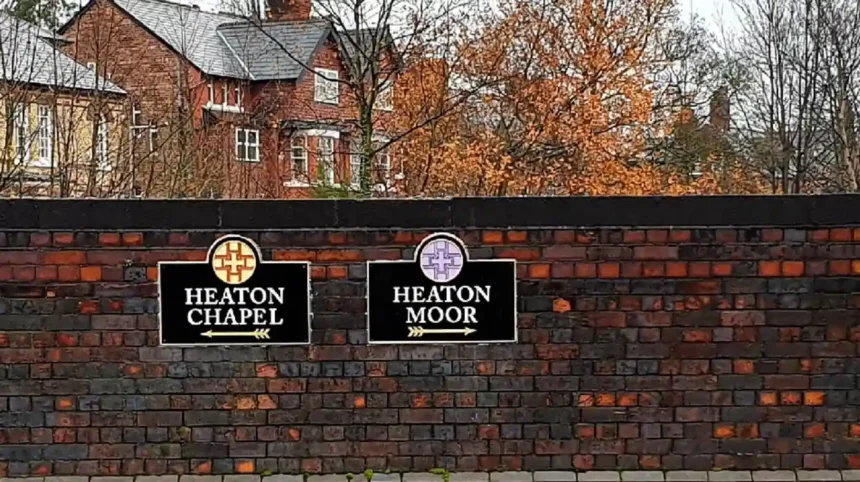
Heaton Moor is a suburban area situated within the metropolitan borough of Stockport in Greater Manchester, England. It sits approximately four miles south of Manchester city centre and two miles northwest of Stockport town centre. The suburb developed primarily during the nineteenth century as an affluent residential enclave for Victorian merchants and businessmen.
- What Architectural Characteristics Define the Residential Infrastructure of Heaton Moor?
- How Is Transport and Connectivity Structured Across Heaton Moor Manchester?
- What Key Amenities and Educational Facilities Support the Community?
- What Are the Demographic Profiles and Local Governance Structures?
- Frequently Asked Questions
Heaton Moor represents one of the four Heatons, alongside Heaton Mersey, Heaton Chapel, and Heaton Norris. Historical records indicate that the land was largely uncultivated moorland until the Enclosure Act of 1774 divided the territory into private agricultural plots. The arrival of the Manchester and Birmingham Railway in 1842 initiated rapid urbanisation across the region. Residential construction accelerated significantly between 1860 and 1910, establishing the characteristic Victorian and Edwardian architecture that defines the district today. Urban planners designed wide tree-lined avenues and spacious villas to attract wealthy professionals escaping industrial city centres.
The district covers a geographic area of roughly two square kilometres within the SK4 postcode sector. It borders the Mersey basin to the south and key transport corridors to the east and west. Local government reorganisations in 1974 integrated Heaton Moor into the Metropolitan Borough of Stockport under Greater Manchester. Urban preservation efforts led to the designation of the Heaton Moor Conservation Area in 1974. This designation protects over 600 Victorian and Edwardian properties along with historic streetscapes, traditional stone kerbs, and mature tree canopies across major thoroughfares.
What Architectural Characteristics Define the Residential Infrastructure of Heaton Moor?
The architecture of Heaton Moor is predominantly defined by large Victorian and Edwardian semi-detached and detached residential properties constructed between 1870 and 1910. Broad tree-lined streets feature red-brick facades, ornamental stonework, slate roofing, bay windows, and grand front gardens characteristic of middle-class suburban expansion during the late Industrial Era.
Architectural diversity in the area includes fine examples of Arts and Crafts style houses alongside late Victorian mansions designed by notable regional architects. Many large period properties have been converted into spacious apartments or preserved as substantial family residences. Modern infill developments, mid-century housing units, and contemporary apartment blocks complement the historic building stock without compromising the character of the conservation area. Brickwork typically utilizes locally produced Cheshire red brick, often paired with decorative yellow brick banding and terracotta embellishments around doorways and window frames.
Building regulations enforced within the designated conservation zone ensure that new structural modifications adhere to strict aesthetic guidelines. Frontage walls constructed from local sandstone and historic cast-iron street lamps remain key elements of the physical landscape. Property floor plans from the late Victorian period typically included dedicated servant quarters, cellar space, and multi-storey living layouts that continue to influence local property values. Recent development projects focus heavily on sensitive retrofitting, energy efficiency integration, and architectural restoration of original timber sash windows and slate roof tiles.
How Is Transport and Connectivity Structured Across Heaton Moor Manchester?

Heaton Moor possesses a highly integrated transport infrastructure connected by rail corridors, major arterial roadways, and local public bus services. The area relies on Heaton Chapel railway station located on its eastern boundary to provide direct commuter link routes into central Manchester, Stockport, and regional destinations across the North West.
Rail travel from Heaton Chapel station to Manchester Piccadilly takes approximately nine minutes, with trains running at frequent intervals throughout peak hours. Southern rail linkages connect residents directly to Stockport railway station in four minutes, offering cross-country intercity travel to London Euston and Birmingham New Street. The local road network provides swift access to the A6 road corridor to the east and the M60 orbital motorway to the south via Junction 1 or Junction 27. Bus routes operated by regional transport providers traverse Heaton Moor Road, connecting the suburb to central Manchester, Didsbury, and Stockport.
Infrastructure investments by Transport for Greater Manchester have expanded dedicated cycling paths and pedestrian crossing networks across the SK4 area. Active travel routes link Heaton Moor directly to the Fallowfield Loop, an eight-mile off-road path used by commuters and recreational cyclists. Manchester Airport is located approximately eight miles southwest of Heaton Moor, accessible in twenty minutes via the A556 relief road and motorway extensions. The suburban road infrastructure manages daily traffic loads through strategic traffic-calming measures implemented near primary schools and shopping districts.
What Key Amenities and Educational Facilities Support the Community?
Heaton Moor offers an extensive network of commercial amenities, independent retail shops, educational institutions, and healthcare facilities that cater to families and working professionals. The district features a vibrant high street along Heaton Moor Road lined with independent cafes, award-winning restaurants, local bakeries, and essential medical services.
Educational institutions in and around Heaton Moor include highly rated primary schools such as Priestnall School, Heaton Normal Moor Infants School, and St Winifred’s Catholic Primary School. Secondary education is served prominently by Priestnall School, a state comprehensive institution recognized for academic achievement and modern facilities. Independent educational providers operating nearby include Stockport Grammar School and Cheadle Hulme School, both located within a three-mile radius. Medical infrastructure includes general practitioner clinics like the Heaton Moor Medical Group, alongside dental surgeries, pharmacies, and physical therapy centers.

Cultural and recreational infrastructure includes the historic Plaza Cinema, an independent boutique cinema housed in a restored 1920s building, providing film screenings and community arts events. Local green spaces, such as Heaton Moor Park, offer public lawns, tennis courts, bowling greens, and playground equipment managed by municipal authorities and community volunteer groups. Local businesses are supported by the Heatons Hub initiative, which promotes independent traders and community events. Public services are further supported by nearby municipal infrastructure, including Bury town centre links consultation opens for views, reflecting regional investments in public transport and urban planning.
What Are the Demographic Profiles and Local Governance Structures?
Heaton Moor features a predominantly professional demographic profile characterized by high levels of homeownership, university-educated residents, and family households. Local governance is administered through Stockport Metropolitan Borough Council, with Heaton Moor falling primarily within the Heatons North ward for municipal representation and public service delivery.
Demographic data from national census reports shows a population density consistent with established urban suburbs, featuring a high proportion of managers, directors, and professional occupations. The local population exhibits stable residential tenure, with family units forming the primary household demographic alongside young professionals seeking proximity to Manchester city centre. Income levels in the SK4 postcode consistently rank above both regional and national averages, influencing local commercial development and retail density. The ward elects three local councillors to represent community interests regarding planning decisions, road safety, waste management, and social services.
Community engagement is facilitated through active residents’ associations, neighbourhood watch programs, and local environmental initiatives aimed at preserving green infrastructure. The area benefits from low relative crime rates compared to broader metropolitan averages, supported by active neighbourhood policing teams stationed out of nearby police facilities. Municipal partnerships with local organizations ensure regular funding for street cleaning, tree preservation, and public park maintenance. Regional governance policies managed by the Greater Manchester Combined Authority impact transport integration, spatial planning framework targets, and sustainable urban development initiatives across the district.
Frequently Asked Questions
Is Heaton Moor a nice place to live in Manchester?
Heaton Moor is widely considered one of the most desirable residential suburbs in Greater Manchester due to its high-performing schools, excellent transport links, and safe environment. The area features attractive Victorian architecture, tree-lined streets, and a thriving independent high street.
How far is Heaton Moor from Manchester city centre?
Heaton Moor is situated approximately four miles south of central Manchester. Direct train services from nearby Heaton Chapel station reach Manchester Piccadilly in about nine minutes, making it an ideal location for commuters.
What postcode is Heaton Moor in?
Heaton Moor is located within the SK4 postcode district, which falls under the administrative coverage of Stockport Metropolitan Borough Council in Greater Manchester.
Does Heaton Moor have good public transport links?
Yes, Heaton Moor offers robust public transport options, including regular rail services from Heaton Chapel station directly to central Manchester and Stockport. Extensive local bus routes and proximity to the M60 motorway provide additional travel convenience.
Are schools in Heaton Moor highly rated?
Schools serving the Heaton Moor area, such as Priestnall School and various local primary institutions, consistently achieve strong academic ratings and high Ofsted evaluations, making the area popular among growing families.