Key Points
- Phantom The Lounge on Maclure Road, Rochdale, has been closed by court order after dangerous carbon monoxide levels were found.
- Rochdale Borough Council said the venue was exposing customers and workers to excessive levels of carbon monoxide.
- Manchester Magistrates’ Court issued the closure order on 24 July 2026, with the decision reported on 31 July 2026.
- The council said routine inspections found smoking taking place in a largely enclosed space, breaching smoke-free rules under the Health Act 2006.
- Officials also said unsafe kitchen practices contributed to carbon monoxide levels above 100 parts per million.
- Greater Manchester Fire and Rescue Service and Greater Manchester Police supported the council’s environmental health officers in the case.
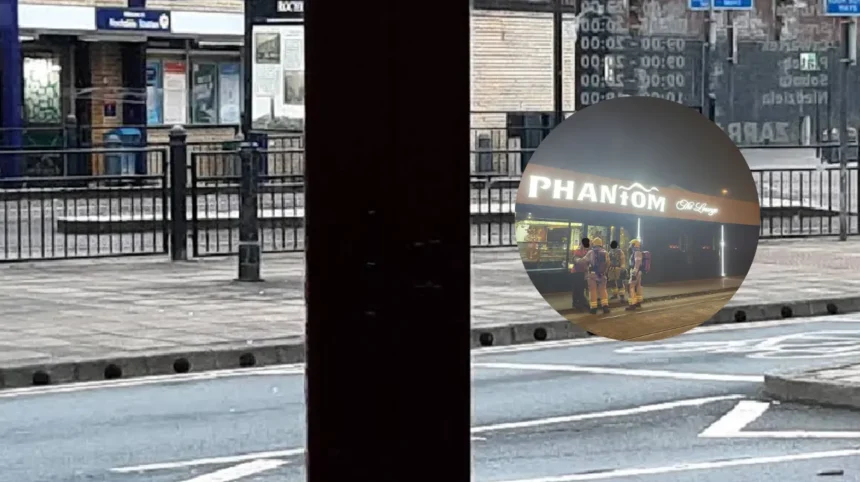
- Fire safety staff had to evacuate the premises on two separate occasions.
- Councillor Tricia Ayrton said the elevated carbon monoxide levels posed a threat to the health of customers and staff.
- The council said the owners were given an opportunity to fix the problems but did not make the required changes.
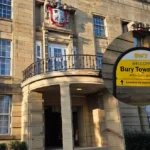
Rochdale Fire (Manchester Mirror) July 2026 – A shisha lounge in Rochdale has been closed after a court found that carbon monoxide levels at the venue placed customers and staff at risk, according to Rochdale Borough Council and reporting by Rachel Covill of The Business Desk and the Manchester Evening News. The closure order was granted by Manchester Magistrates’ Court on 24 July 2026 after evidence was presented by the council’s environmental health officers, with support from Greater Manchester Fire and Rescue Service and Greater Manchester Police.
As reported by Rachel Covill of The Business Desk, Phantom The Lounge on Maclure Road was closed after carbon monoxide levels in its kitchen exceeded 100 parts per million. The venue was reportedly found to have been operating unlawfully, with smoking taking place in a largely enclosed space, which Rochdale Council said breached smoke-free regulations under the Health Act 2006.
What did inspectors find?
Inspectors said the business had been using an electric fan to ignite coals in a poorly ventilated area, which pushed carbon monoxide readings in the kitchen above 100 parts per million. Rochdale Council also said fire safety officers had to instruct customers and staff to leave the premises on two separate occasions because of safety concerns.
The council said the owners were given time to address the problems but did not engage with the required changes, leading environmental health officers to seek a court order as a last resort. In the reporting by the Manchester Evening News, Councillor Tricia Ayrton, the deputy leader with responsibility for Climate Change and Environment, said the elevated CO levels threatened the health of both customers and staff.
Why is carbon monoxide dangerous?
Carbon monoxide is a colourless, odourless and highly toxic gas that can cause serious illness, unconsciousness and death. The Manchester Evening News report said the Health and Safety Executive’s workplace exposure limit for carbon monoxide is 100 parts per million over 15 minutes, or 20 parts per million over an eight-hour time-weighted average.
In this case, the council said the kitchen reading alone exceeded 100 parts per million, which is above the short-term exposure limit cited in the report. That is why the authorities treated the issue as a serious public health and fire safety matter rather than a routine compliance breach.
Background of the development
Shisha venues have been the subject of growing scrutiny from local authorities because indoor smoking, poor ventilation and the handling of coals can create health and safety risks. In Rochdale, the council said its environmental health service acted after a routine inspection uncovered unsafe and unlawful activity at Phantom The Lounge.
The case also fits into a wider pattern of enforcement in the town centre, where officials have been carrying out inspections targeting unsafe conditions and illegal trading. The reporting indicates that the council and emergency services were already working together on compliance and enforcement issues across the area.
What does this mean next?
For customers, the closure means one less venue operating under unsafe conditions, but it also serves as a reminder to check whether hospitality premises are properly ventilated and compliant with smoke-free laws. For staff, the case underlines the risks workers can face when ventilation, coal handling and indoor smoking are not properly controlled.
For local businesses, the likely effect is clearer pressure to follow environmental health rules or face enforcement action, including court orders. For residents and public health officials, the case may strengthen calls for closer monitoring of enclosed shisha venues and stronger compliance checks in hospitality settings.