Key Points
- An 18-year-old man was pronounced dead after being found unresponsive in Dovestone Reservoir, near Oldham, Greater Manchester.
- Police were called to the reservoir at around 19:00 on Friday during a period of exceptionally high temperatures.
- Medical staff attempted treatment at the scene, but the man was declared dead.
- Greater Manchester Police are conducting extensive enquiries to establish the full circumstances.
- Detective Inspector Steven Horton reminded the public of the dangers of open water and urged people to avoid entering reservoirs, rivers, canals, or ponds.
- The death is described as the latest in a series of open-water fatalities during successive 2026 heatwaves.
- This incident aligns with a reported rise in heatwave-related open water deaths, with figures cited as reaching 14 this summer.
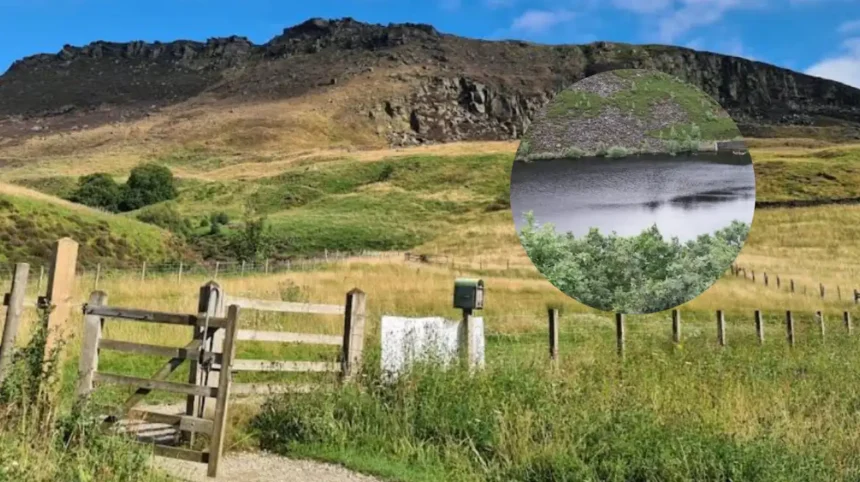
Manchester (Manchester Mirror) July 11, 2026 – Police and medical teams responded to an incident at Dovestone Reservoir, near Oldham in Greater Manchester, on Friday evening, where an 18-year-old man was found unresponsive in the water and later pronounced dead at the scene.
- Key Points
- Why is this death being linked to the 2026 heatwave?
- What have police said about open water safety?
- How does this case compare with other open water deaths this summer?
- Background: Rise in open water deaths during UK heatwaves
- Prediction: How this development could affect young people and local communities
Greater Manchester Police said in a statement that officers were called to the reservoir at around 19:00. They discovered a man, aged 18, who was not responding in the water. Despite the efforts of medical staff, he was declared dead at the scene.
Detective DI Steven Horton said: “We have tragically recovered the body of an 18-year-old man from the water, and are conducting extensive enquiries to establish the full circumstances.” He added: “Our thoughts remain with his family and friends during this incredibly difficult time.”
Why is this death being linked to the 2026 heatwave?
The incident is being described as the latest in a “spate of open water deaths” this summer during successive heatwaves, according to reporting by Sky News. A Sky News article notes that the number of heatwave open water deaths has risen to 14 this summer, citing a broader pattern of fatalities linked to people entering rivers, reservoirs, beaches, and other open water bodies during periods of very high temperatures.
As reported by Sky News in its coverage of open water deaths during the heatwave, this case fits into a wider trend of drowning and water-related incidents occurring as people seek cooling locations during extreme heat.
What have police said about open water safety?
Detective Inspector Steven Horton, speaking on behalf of Greater Manchester Police, issued a clear safety warning to the public. He stated: “I would like to take this opportunity to remind the public of the dangers of open water. We strongly encourage people to stay safe and refrain from entering large bodies of water including reservoirs, rivers, canals, or ponds.”
This message reflects ongoing concerns from emergency services and police forces across the UK about the risks of unseen dangers in open water, such as cold temperatures, sudden drop-offs, underwater obstacles, and unstable banks, which can persist even when weather conditions feel warm.
How does this case compare with other open water deaths this summer?
According to Sky News reporting, the number of open water deaths linked to heatwave conditions has risen to 14 this summer. Their article, titled “Teenage girl dies after swimming at beach as number of heatwave open water deaths rises to 14”, highlights that these incidents have occurred across various locations including beaches, rivers, and reservoirs during successive periods of high temperatures.
The Dovestone Reservoir incident is therefore not isolated but part of a concerning pattern of water-related fatalities during the 2026 heatwaves, reinforcing the urgency of public safety messages from police and emergency services.
Background: Rise in open water deaths during UK heatwaves
Over recent years, UK emergency services have repeatedly highlighted the risks of open water during hot weather. As temperatures rise, more people particularly young people seek out rivers, lakes, reservoirs, and coastal areas to cool down. However, open water bodies often contain hidden dangers that are not apparent from the surface.
Data and media reports from previous summers have shown a correlation between heatwaves and an increase in drowning and water-related incidents. In 2026, multiple outlets including Sky News have reported a rising number of open water deaths, with figures reaching 14 during successive heatwaves. This development has prompted renewed warnings from police forces, including Greater Manchester Police, about the dangers of entering natural water bodies without proper supervision or safety measures.
Prediction: How this development could affect young people and local communities
This incident, and the broader pattern of open water deaths during the 2026 heatwaves, is likely to affect young people and local communities in several ways. First, it may lead to increased scrutiny of popular cooling spots such as Dovestone Reservoir, with potential for additional signage, temporary access restrictions, or enhanced patrols during periods of extreme heat.
Second, schools, youth organisations, and local councils may intensify safety messaging around open water, particularly targeting teenagers and young adults who are statistically more likely to engage in risky water behaviour during hot weather. This could include targeted campaigns, educational sessions, and community events emphasising the hidden dangers of reservoirs, rivers, and canals.
Finally, the repeated occurrence of such deaths during heatwaves may influence public debate about longer-term measures, such as improved supervision of high-risk sites, investment in safe swimming alternatives, and more coordinated multi-agency responses during extreme heat events. For families and communities in Greater Manchester and beyond, the tragedy at Dovestone Reservoir is likely to reinforce a growing awareness that seeking relief from the heat in open water can carry fatal consequences.