Key Points
- Shabir Ahmed, known as “Daddy”, the ringleader of the Rochdale grooming gang, is to be released from prison on licence this week, with 24-hour supervised accommodation and an exclusion zone centred on Rochdale.
- The government has admitted that provisions in the Immigration Act 1971 bar Ahmed’s deportation to Pakistan because he arrived in the UK before 1973 and had lived there for at least five years before deportation was considered.
- Sara Rowbotham, the former NHS health worker who gathered evidence that led to Ahmed’s conviction, has described his release as “really scary” and said she is “terrified” at the prospect of meeting him in the street.
- Rowbotham warned that decades of de-investment in probation services mean monitoring of Ahmed’s behaviour is likely to be “really weak” and questioned who would ensure he and others did not seek revenge.
- Labour leadership hopeful Andy Burnham said that, if he becomes prime minister, his government would explore “all possible options” to close the legal loophole preventing Ahmed’s deportation.
- Victims were told in 2012 that Ahmed would be deported after being jailed for 30 child rape charges involving girls as young as 13, but only this week were informed that the 1971 Act provisions meant he could not be removed.
- Ahmed, 73, had dual British-Pakistani citizenship but was stripped of his British citizenship after his 2012 conviction for multiple counts of rape and sexual offences against girls.
- The Home Office said Ahmed’s crimes were “appalling” and that he would be subject to stringent licence conditions, including lifelong sex offender registration, an electronic tag, and bans on contacting children or victims.
- Some victims, witnesses and local MPs were not told about Ahmed’s impending release and only learned of it via social media, which they described as deeply frustrating.
- David Lammy, the justice secretary, has been urged by MPs to extend Ahmed’s exclusion zone to include other local towns, including Heywood, where he and others abused young girls.
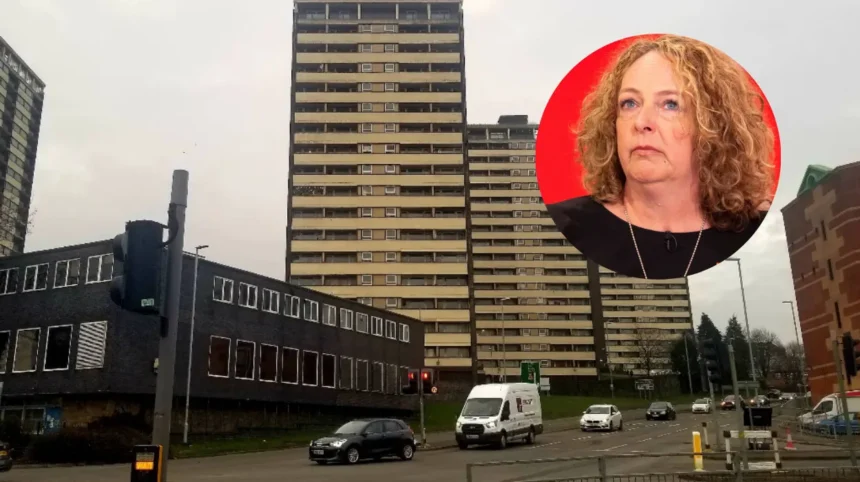
Rochdale (Manchester Mirror) July 02, 2026 – The impending release of the Rochdale grooming gang leader is “really scary” for local women and girls because of failings in a “weak” probation service and his lack of remorse, a former health worker who exposed the paedophile ring has said. Sara Rowbotham, whose team gathered evidence that led to the imprisonment of Shabir Ahmed and eight other men in Rochdale, said she is “terrified” by the prospect of meeting him in the street.
- Key Points
- How can the legal system prevent the deportation of Shabir Ahmed?
- What supervision measures will be applied to Ahmed after release?
- How are politicians and MPs responding to the situation?
- Background: How the Rochdale grooming gang scandal developed
- Prediction: What could this development mean for victims, women and girls in the UK?
As reported by the Guardian, Rowbotham said: “He has been on my mind ever since I heard that he was not going to be deported as promised. I am genuinely concerned that I will see him walk out of a local bail hostel near my house. If I feel like that, think how the women he abused must feel,” she said. Her concerns have been echoed by victims who said they were not informed about Ahmed’s impending release and only learned of it on social media.
Rowbotham, who remains torn over whether Ahmed should be deported to Pakistan, warned that de-investment in probation services means monitoring of his behaviour is likely to be “really weak”. As reported by the Guardian, she said:
“This man organised some very nasty abuse of young girls. He was able to coerce, manipulate and organise a highly manipulative group of men, and when in court he was volatile in court and towards the judge. There have been no indications that his views have changed.”
She added: “The de-investment in probation services means that any monitoring of him and his behaviour is likely to be really weak. Who is going to make sure he and maybe others do not seek revenge?” she said.
How can the legal system prevent the deportation of Shabir Ahmed?
Ahmed’s victims were told in 2012 that he would be deported after being jailed for 30 child rape charges involving girls as young as 13. However, this week the government admitted that the provisions of the Immigration Act 1971 meant he could not be deported to Pakistan, where he was born, even though he has been stripped of British citizenship.
As reported by the Guardian, documents published online this week said Ahmed could not be deported back to Pakistan because of provisions under the Immigration Act 1971. The documents said that because Ahmed arrived in the UK before 1973 and lived in the country for at least five years before his deportation was considered, his removal was barred.
Conservative home secretaries including Priti Patel told victims that Ahmed would be deported. Those promises cannot now be fulfilled under current law, as the 1971 Act protections prevent his removal despite his dual citizenship status and the fact that he has been stripped of British citizenship.
Labour minister Jacqui Smith, speaking to LBC on Thursday morning, suggested Pakistan had refused to take Ahmed, saying there was “work that needs to happen” to persuade the country to accept him if he is deported. She said: “We’re doing everything we can, looking at every route to get this guy out of the country,” she said.
What supervision measures will be applied to Ahmed after release?
The Home Office has previously said Ahmed’s crimes were “appalling” and that he would be subject to stringent licence conditions upon his release from prison. Ahmed must initially live in supervised accommodation with 24-hour staffing and will be subject to an “exclusion zone” centred on Rochdale.
Documents indicate that Ahmed, 73, known to his victims as “Daddy”, had dual British-Pakistani citizenship but was stripped of the former after his conviction in 2012 for multiple counts of rape and sexual offences against girls. He is reportedly being held at HMP Leeds and it is understood he will be released on licence with terms that he must initially live at the staffed accommodation so will not return to his last known address on Windsor Avenue in Oldham.
As reported by the Guardian, the Home Office said he will be on the sex offender register for life, will be ordered to stay away from his victims and will be banned from contacting any child or young person. His every movement will be tracked and he will be forced to wear an electronic tag, with any breach leading to immediate imprisonment.
How are politicians and MPs responding to the situation?
The Labour MP Andy Burnham said on Wednesday his government would explore “all possible options”, if he becomes prime minister, to close a legal loophole that prevented the deportation of Ahmed, who is due for release this week. Burnham has been urging the Home Secretary and Foreign Secretary to review all possible routes to prevent Ahmed from remaining in the UK.
David Lammy, the justice secretary, has been lobbied by MPs asking for him to extend the exclusion zone to include other local towns including Heywood, the location of Ahmed’s takeaway where he and dozens of others abused young girls. Rowbotham and others have argued that the current restrictions may not be sufficient to protect victims and other vulnerable girls in the wider area.
Background: How the Rochdale grooming gang scandal developed
The Rochdale child sexual exploitation ring came to public attention through the work of frontline professionals who refused to ignore repeated signs of abuse. Sara Rowbotham, while working for the NHS, made hundreds of referrals detailing the abuse and sexual grooming by Ahmed and his associates between 2005 and 2011. She said she still remembered being called in by Greater Manchester police and being shown a photo of Ahmed, the ring’s organiser, for the first time.
Nine men, including Ahmed, were convicted in 2012 at Liverpool Crown Court of offences against five girls, with estimates suggesting up to 50 girls may have been victims. A serious case review into child sex exploitation in Rochdale concluded that vulnerable girls were failed by those who were meant to protect them. The men were convicted of multiple counts of rape and sexual offences against girls as young as 12, who were plied with alcohol and drugs, ferried between flats in taxis, and gang-raped in rooms above takeaway shops.
Prediction: What could this development mean for victims, women and girls in the UK?
The release of Shabir Ahmed under strict but non-deportable conditions is likely to have several consequences for victims and vulnerable groups. First, victims may experience heightened anxiety and a sense of institutional betrayal, as they have been told that the man who raped and exploited them cannot be removed from the country due to legal constraints. This could undermine trust in probation, immigration and victim-support services, making some victims less likely to engage with authorities in future cases.
Second, the case may reinforce concerns among women and girls in areas with a history of grooming gangs that the system is not sufficiently protective. As Rowbotham warned, a “weak” probation service could leave communities exposed if supervision conditions are not rigorously enforced or if offenders find ways to circumvent exclusion zones. If the public perceives that high-profile offenders like Ahmed can remain in the UK despite horrific crimes, pressure may grow for legal reforms to immigration and citizenship rules, as well as for stronger probation and monitoring frameworks.
Finally, the situation may influence policy debates. Politicians such as Andy Burnham are already calling for the Home and Foreign Secretaries to review all possible options to prevent Ahmed from remaining in the UK. This could lead to further scrutiny of the Immigration Act 1971 provisions that prevent deportation in cases like Ahmed’s, and potentially to political pressure for changes that would allow deportation or other forms of removal in similar circumstances. For victims and communities, the outcome of those debates will shape how secure they feel in the long term and whether they believe the system can deliver meaningful protection against organised sexual exploitation.