Key Points
- Mandy Hudson, a bride on her wedding day, was heading into Manchester city centre on Saturday 15 June 1996 to get married when the IRA bomb exploded
- The IRA bomb outside the Arndale Centre was the biggest device detonated in Great Britain since World War Two
- Miraculously, nobody died in the blast but more than 200 people were hurt, with many suffering life-changing injuries
- Approximately 80,000 people were in Manchester town that morning when the bomb exploded
- The explosion occurred on a sunny Saturday when England were due to play Scotland at Wembley in Euro 96
- BBC Radio Manchester presenter Joel Mitchell created the “Coded Warning” series on BBC Sounds to search through BBC archives and bring the story to a new audience
- Mitchell, who moved to Manchester six years ago and presents on BBC Radio Manchester since end of 2023, discovered the history through a plaque on a red postbox on Corporation Street
- A generation of “adopted Mancunians” who moved to Manchester in their late 20s were unaware of the city’s bomb history
- Mitchell calls himself an “adopted Mancunian” despite family in South Yorkshire being annoyed
- The red postbox survived the bomb three decades ago and has a small plaque explaining its survival
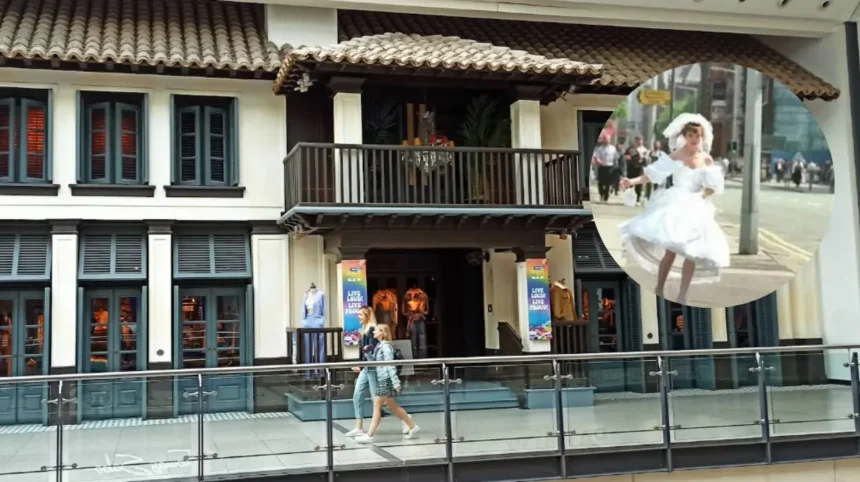
Manchester (Manchester Mirror) June 13, 2026 – All brides are nervous on their wedding day, aren’t they? Months of preparation come down to one day. Many plan for every eventuality, but there are some things you just can’t anticipate. The unimaginable and unspeakable horror of being caught up in a huge bomb blast. That’s what happened to Mandy Hudson, who was heading into Manchester city centre on Saturday 15 June 1996 to get married.
- Key Points
- How Did the 1996 IRA Bomb Change Manchester Forever?
- Why Did Joel Mitchell Create the ‘Coded Warning’ Series About the 1996 Bomb?
- How Did a Red Postbox Plaque Uncover Manchester’s Forgotten Bomb History?
- What Made the 1996 Manchester IRA Bomb the Biggest Device Since World War Two?
- Background: The 1996 Manchester IRA Bomb Development
- Prediction: How This Development Can affect New Residents and Adopted Mancunians
How Did the 1996 IRA Bomb Change Manchester Forever?
On a sunny Mancunian day, England were due to play Scotland at Wembley in Euro 96, while Father’s Day was just around the corner. Every single one of the estimated 80,000 people in town that morning were about to be caught up in a day that changed Manchester forever. The IRA bomb that exploded outside the Arndale Centre was the biggest device to be detonated in Great Britain since World War Two. Miraculously, nobody died in the blast but more than 200 were hurt, with many suffering life-changing injuries.
Why Did Joel Mitchell Create the ‘Coded Warning’ Series About the 1996 Bomb?
I moved to Manchester just over six years ago, and I’ve been presenting on BBC Radio Manchester since the end of 2023. Much to the annoyance of my family back home in South Yorkshire, I call myself an “adopted” Mancunian. I’ve fallen in love with this city: the people, the gigs, the skyline, the intense football rivalries, the coffee spots, even the marathon eventually pulled me in to have a go earlier this year. But there was a huge part of the city’s history that had somehow escaped me.
At least once a day, I walk past a red postbox on Corporation Street which sits by a striking skyway linking the Arndale to both Marks & Spencer and Selfridges. On that postbox is a small plaque, which explains how it had survived the bomb three decades ago. One day, as I stopped to post a letter, I read that plaque and froze. It was hard to grasp that before I was born, this place had been left in ruin. I instantly wanted to know what happened on that day, and to hear the stories of those who were caught up in the middle of the nightmare.
How Did a Red Postbox Plaque Uncover Manchester’s Forgotten Bomb History?
My apartment looks out across the River Irwell, and you can’t miss the Arndale. I was having beers on the balcony one Friday night with a friend and he was visibly shocked when I shared with him what had happened on that day in June 1996. The more I spoke to other friends in their late 20s, I realised there was a generation of “adopted Mancunians” who’d moved here and were unaware of the history of our city. And that’s why for my series on BBC Sounds, “Coded Warning”, I wanted to search through the BBC archive and bring the story of that day to a new audience.
As reported by Joel Mitchell of BBC Radio Manchester, the presenter discovered that many people who had moved to Manchester were completely unaware of the devastating event that had transformed their city three decades earlier. Mitchell’s personal journey of discovery began when he stopped to post a letter and read the plaque on the red postbox, which froze him with the realisation that before he was born, this place had been left in ruin.
What Made the 1996 Manchester IRA Bomb the Biggest Device Since World War Two?
The bomb that exploded outside the Arndale Centre represented the most significant terrorist device detonated in Great Britain since the Second World War. The explosion tore through Manchester city centre on a Saturday morning when the city was bustling with activity. With England scheduled to play Scotland at Wembley in Euro 96 and Father’s Day approaching, the city was filled with approximately 80,000 people who became caught up in the nightmare.
Despite the unprecedented scale of the explosion, the blast miraculously resulted in no fatalities. However, more than 200 people were hurt in the incident, with many suffering life-changing injuries that would affect them for years to come. The sheer number of people injured demonstrated the devastating impact of the bomb on the civilian population of Manchester.
Background: The 1996 Manchester IRA Bomb Development
The 1996 Manchester IRA bomb represents one of the most significant terrorist incidents in British history. The bomb exploded outside the Arndale Centre in Manchester city centre on Saturday 15 June 1996. This device was the largest explosive weapon detonated in Great Britain since World War Two. The explosion occurred on a sunny Saturday when the city was particularly busy, with approximately 80,000 people present in town that morning.
The timing of the bomb was particularly significant as England were due to play Scotland at Wembley in Euro 96, and Father’s Day was just around the corner. These factors contributed to the high number of people in the city centre. Miraculously, despite the massive scale of the explosion, nobody died in the blast. However, more than 200 people were hurt, with many suffering life-changing injuries that would have lasting impacts on their lives.
The red postbox on Corporation Street, which sits by a striking skyway linking the Arndale to both Marks & Spencer and Selfridges, survived the bomb three decades ago. This postbox now carries a small plaque explaining its survival, serving as a physical reminder of the event for those who walk past it daily. The skyway structure itself connects major shopping destinations in the city centre, making it a prominent feature of Manchester’s urban landscape.
Prediction: How This Development Can affect New Residents and Adopted Mancunians
This discovery and the “Coded Warning” series on BBC Sounds can significantly affect new residents and “adopted Mancunians” who have moved to Manchester in recent years. As Joel Mitchell observed through his conversations with friends in their late 20s, there exists a generation of people who relocated to Manchester who remain completely unaware of the city’s bomb history. This lack of historical awareness creates a disconnect between new residents and the deeper story of their city.
The series can help adopted Mancunians develop a more complete understanding of Manchester’s identity and resilience. By bringing the story of 15 June 1996 to a new audience through BBC Sounds, Mitchell’s work enables newcomers to connect with significant events that shaped the city they now call home. This historical awareness can foster a deeper sense of belonging and community among those who have chosen Manchester as their home.
For people like Mitchell, who moved to Manchester just over six years ago and began presenting on BBC Radio Manchester since the end of 2023, understanding this history transforms their relationship with the city. Moving from simply enjoying the people, gigs, skyline, football rivalries, and coffee spots to understanding the resilience that underpins Manchester’s character creates a more meaningful connection. The series can help other adopted Mancunians recognise that their city’s identity includes not just its vibrant present but also its capacity to survive and rebuild from devastating events.
This development can also affect how new residents interpret physical landmarks around the city. The red postbox on Corporation Street, the skyway linking the Arndale to Marks & Spencer and Selfridges, and the River Irwell overlooking the Arndale become more than just urban features—they become symbols of survival and continuity. Understanding the history behind these landmarks can transform daily walks through the city into opportunities for historical reflection and connection.
The series may also encourage adopted Mancunians to engage more deeply with local history and share these stories with their families, including those back in South Yorkshire who might be annoyed by the “adopted Mancunian” label. By understanding what happened on that day in June 1996, new residents can better appreciate why Manchester residents hold such intense connections to their city and why the football rivalries, social bonds, and community spirit are so deeply rooted in the city’s experience of survival and recovery.