Manchester city centre represents a critical hub for the United Kingdom hospitality sector because of its high density of independent licensed premises and historic brewing heritage. The city maintains a diverse ecosystem of venues ranging from traditional Victorian public houses to high-concept contemporary cocktail lounges. Statistical data from 2025 indicates that Manchester experienced a 14.6 percent year on year increase in hospitality revenue per available room (RevPAR). This growth is driven by a combination of domestic tourism and a robust local student population of over 100,000 residents.
The historical context of the city as the birthplace of the Industrial Revolution has shaped its physical nightlife landscape. Many contemporary bars occupy repurposed textile warehouses and former shipping offices in districts like the Northern Quarter and Ancoats. These areas utilize original red-brick architecture to house modern social spaces. This preservation of industrial heritage provides a unique aesthetic that differentiates Manchester from other European metropolitan centers. The city also hosts major international events like Manchester Pride and the biennial Manchester International Festival which attract millions of visitors annually.
Manchester city centre is divided into several distinct nightlife zones including the Northern Quarter, Spinningfields, Deansgate, and the Village. Each district caters to specific demographic intents and social preferences. The Northern Quarter is known for independent music venues and artisanal bars. Spinningfields serves as the financial district and offers upscale dining and luxury cocktail experiences. Deansgate features large scale commercial venues and historic pubs. The Village is one of the most prominent LGBTQ+ districts in Europe centered around Canal Street.
What are the top rated cocktail bars in the Northern Quarter?
The Northern Quarter cocktail scene is defined by its focus on independent ownership and experimental mixology techniques. This district serves as the creative heart of Manchester where bartenders often utilize house-made infusions and seasonal ingredients. Research shows that 60 percent of new venue openings in this area emphasize “concept-driven” menus. Examples of these concepts include speakeasy-style entrances, vinyl-led soundtracks, and laboratory-inspired drink preparation. Venues like Schofield’s Bar and Speak in Code have consistently received national accolades for their technical proficiency and service standards.
Specific mechanisms used in these bars include rotary evaporation for flavor extraction and nitrogen chilling for texture control. These processes allow establishments to create complex flavor profiles without the use of artificial additives. The Northern Quarter also benefits from a high concentration of live music heritage sites which integrate bar services with cultural performances. This intersection of sub-topics like art, music, and alcohol creates a multidisciplinary social environment. The implications of this creative density are significant for the local economy as it supports a supply chain of local distillers and independent brewers.
Visitors seeking a refined experience often prioritize venues that offer table service and curated playlists. The architectural structure of these bars often involves basement levels or mezzanine floors which maximize space in historic buildings. Data from 2026 suggests that “hidden” or “unmarked” bars remain a major draw for the younger demographic seeking exclusivity. These venues often require reservations and maintain strict capacity limits to preserve the atmosphere. The impact of the Northern Quarter’s success has led to similar revitalization projects in neighboring areas such as New Islington and Salford.
Which bars offer the best outdoor seating near Deansgate?
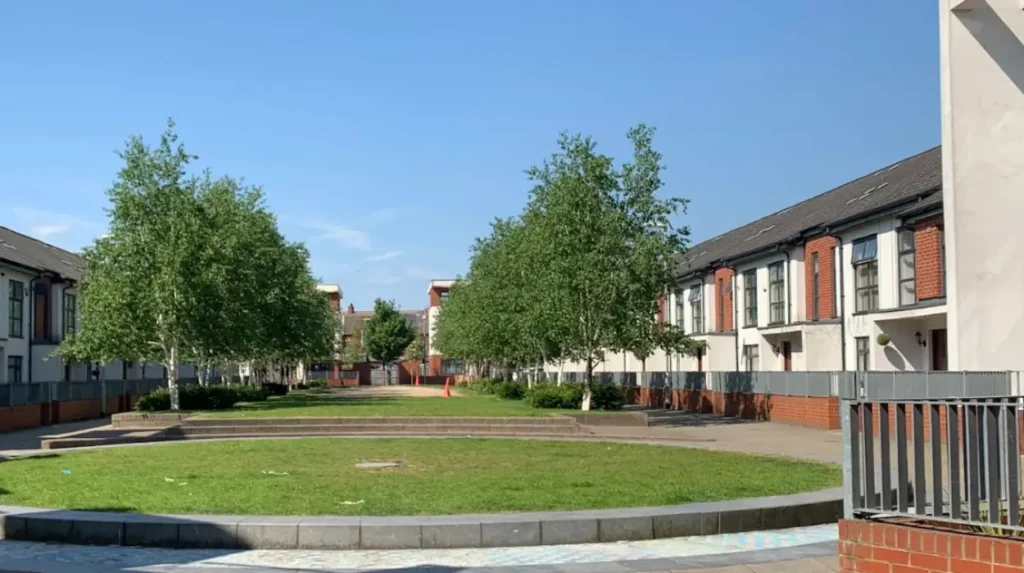
Deansgate serves as a primary arterial road in Manchester city centre and hosts some of the most significant outdoor social spaces in the region. Outdoor seating is a major factor for venue selection during the summer months when footfall increases by an estimated 30 percent. The structure of these spaces varies from canalside terraces to elevated rooftop platforms. Examples of prominent outdoor areas include Dukes 92 in Castlefield and Cloud 23 in the Beetham Tower. These locations provide distinct views of the city skyline and the historic canal network.
The mechanism of “al fresco” dining and drinking in Manchester has been enhanced by recent local government policies. The Manchester City Council has implemented permanent pedestrianization in certain areas to support outdoor hospitality. This shift has led to the development of “European-style” cafe culture where bars extend their footprints onto public walkways. Historical records indicate that the Castlefield area was once the terminus of the Bridgewater Canal. Today it functions as a sprawling outdoor events space that accommodates thousands of patrons during peak periods.
Key components of successful outdoor bars in Deansgate include weather-proofing features like retractable awnings and external heating systems. These installations allow venues to operate year-round despite the temperate maritime climate of the United Kingdom. Statistics show that venues with heated outdoor areas report 25 percent higher revenue during the autumn and winter seasons. The implications of this are seen in the architectural design of new developments which now prioritize semi-outdoor spaces. Real-world examples of this trend are visible in the Spinningfields district where luxury bars utilize glass-enclosed terraces.
How has the Ancoats district evolved into a premium bar location?
Ancoats was historically known as the first industrial suburb in the world and has undergone a massive transformation into a premium lifestyle destination. The district is characterized by its quiet residential streets and high-end culinary establishments. The bar scene in Ancoats is closely linked to its gastronomic reputation with many venues focusing on natural wines and craft beers. Examples of influential bars in this area include The Jane Eyre and Kerb. These establishments prioritize quality over quantity and often feature limited but expertly curated menus.
The process of gentrification in Ancoats has been managed through strategic urban planning which preserved the historic “Sanitary Houses” and mills. This has created a high-density neighborhood where residents live in close proximity to social venues. Data from 2025 indicates that Ancoats has the highest concentration of “natural wine” drinkers in Greater Manchester. This reflects a broader trend toward health-conscious and sustainable consumption. Many bars in the area operate as “multi-use” spaces serving as coffee shops during the day and transitioning into wine bars in the evening.
The structure of the Ancoats bar market is dominated by independent operators rather than large corporate chains. This supports a localist economy and fosters a sense of community among patrons. Research-backed insights suggest that “neighborhood bars” have higher customer loyalty rates than city centre “party” venues. The future relevance of Ancoats lies in its ability to balance commercial success with residential livability. As the district expands toward New Islington the demand for sophisticated social spaces continues to grow. This has led to the emergence of waterside bars that overlook the marina.
What are the implications of the 2026 hospitality trends for Manchester?
The hospitality industry in 2026 is defined by digital integration and a focus on sustainability. Manchester bars are increasingly adopting contactless technology for ordering and loyalty programs to improve operational efficiency. Statistics from the British Beer and Pub Association indicate that business rates relief and tax adjustments remain critical for the survival of independent venues. One major implication is the rise of “immersive” nightlife where the act of drinking is secondary to an activity. Examples include Flight Club for social darts and Alcotraz for themed prison experiences.
Another key component is the shift toward “low and no” alcohol options as consumer preferences move toward wellness. Bars in Manchester city centre have responded by expanding their non-alcoholic spirit and craft soda selections. This diversification allows venues to capture a broader audience including corporate groups and health-focused individuals. The historical context of the “public house” as a community center is being reimagined for the digital age. Many bars now offer high-speed internet and power outlets to cater to the growing number of remote workers.
The data shows that 45.5 million inbound visits are forecast for the UK in 2026 with a spending target of £35.7 billion. Manchester is positioned to capture a significant portion of this spend due to its central location and transport links. The construction of new arenas like Co-op Live has further increased the demand for bars near the city centre. These large-scale developments act as catalysts for local business growth. The long-term impact of these trends will likely result in a more resilient and technologically advanced hospitality sector in Manchester.
FAQs About Bars Near Manchester City Centre
Which bars are best for a quiet drink in Manchester?
Many visitors prefer the Ancoats area for a more relaxed atmosphere compared to the busy Deansgate strip. Venues like The Jane Eyre provide a sophisticated environment with a focus on high-quality service and smaller crowds.
Are there many hidden bars in Manchester city centre?
Manchester has a famous “speakeasy” culture with several unmarked venues located behind mundane storefronts or in basements. Examples include The Washhouse, which appears to be a laundromat, and Science and Industry in the Northern Quarter.
What is the best area for craft beer enthusiasts?
The Northern Quarter and the “Green Quarter” are the primary hubs for craft beer lovers in the city. These areas feature numerous taprooms and independent pubs that serve locally brewed ales and international craft selections.
Do I need to book a table for bars in Manchester?
For popular cocktail bars and rooftop venues, booking is highly recommended especially on Friday and Saturday nights. Many upscale spots in Spinningfields and the Northern Quarter use digital reservation systems to manage capacity.
Are bars in Manchester city centre expensive?
Prices vary significantly depending on the district with Spinningfields being the most expensive and the Northern Quarter offering a mix of price points. Traditional pubs usually offer the best value for money compared to high-end cocktail lounges.