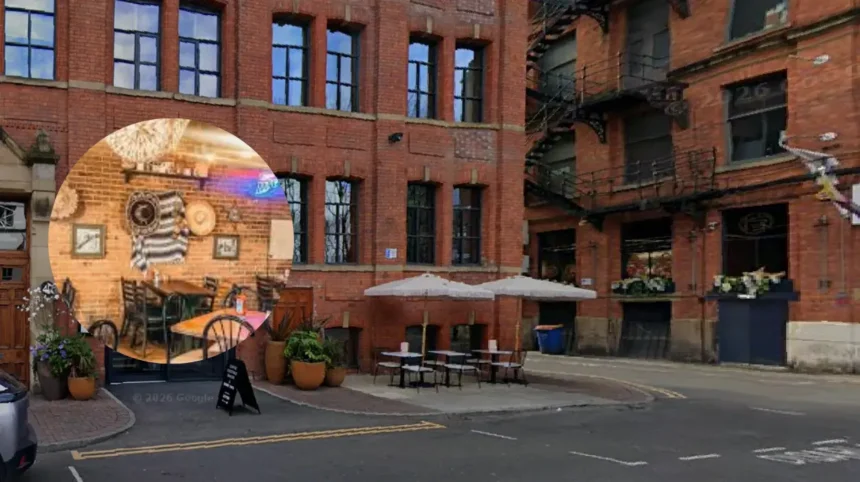
Key Points
- Maya Manchester, a Michelin-recommended restaurant at 40 Chorlton Street, has announced its permanent closure after roughly two years of trading
- The final service will take place on the weekend of 30–31 May 2026 (with some sources citing Friday 29 May as the last service)
- The closure comes amid an “increasingly challenging” backdrop for the UK hospitality sector
- The venue operated with kitchen hours 12pm–5pm for brunch/lunch and 5pm–9.30pm for à la carte (6pm on Sundays)
- Manchester’s hospitality sector has taken another significant hit with this Michelin-recognised venue closing
- The restaurant was located in Manchester’s Gay Village and was known for delivering “refined dining”
- The decision was described by the owners as “difficult” and made “after careful consideration”
- The wider hospitality industry in 2026 faces rising labor costs, utilities, insurance, and retention challenges
Local Manchester(Manchester Mirror)June 01, 2026-Maya Manchester has closed its doors after roughly two years of trading, citing an “increasingly challenging” backdrop for the hospitality industry. The Michelin-recommended restaurant, located at 40 Chorlton Street in Manchester’s Gay Village, announced its permanent closure in late May 2026, with final services scheduled for the weekend of 30–31 May.
- Key Points
- Why is the UK hospitality sector struggling in 2026?
- How long did Maya Manchester operate before closing?
- What did the owners say about the closure decision?
- What does this mean for Manchester’s dining scene?
- How are technology and fragmentation affecting hospitality operations?
- Background: The Development Behind Maya Manchester’s Closure
- Prediction: How This Development Can Affect Manchester Diners and Hospitality Workers
- Impact on Manchester diners
- Impact on hospitality workers
- Impact on the wider hospitality ecosystem
As reported by the team at The Caterer, the venue will cease operations permanently after the final service, marking the end of a short but notable presence in Manchester’s refined dining scene. The restaurant’s Instagram account confirmed the decision, stating: “After careful consideration, we have made the difficult decision to close MAYA Manchester, with our final service taking place on Friday, 29th…”.
The closure represents another blow to Manchester’s hospitality sector, which has already seen multiple venues struggle amid rising costs and shifting consumer behaviour. Secret Manchester described the news as “another hit” for the city’s hospitality industry, emphasising that Maya was a Michelin-recognised venue.
Why is the UK hospitality sector struggling in 2026?
The hospitality industry in 2026 is facing what experts describe as a “perfect storm” of cost pressures, workforce challenges, and shifting traveler behaviours. According to analysis from Dark Watch, costs are rising across labor, utilities, and supplies, while guests are demanding more for less.
Labor costs for hotels in the US are forecast to hit $131 billion in 2026, up from $127 billion in 2025, with revenue per available room (RevPAR) expected to increase by less than 1%. While these figures refer to the US market, similar pressures are evident across the UK, where staff retention remains a critical issue. The hospitality industry’s annual employee turnover rate consistently runs at 70% to 80%, resulting in a loss of experienced staff and placing additional burden on remaining employees.
As noted in the Hotel Industry Outlook 2026, rising operating and labor costs remain a top concern for hospitality leaders. Hotel labor expenses continue climbing nationwide, alongside sharp increases in insurance, utilities, and maintenance. Owners are facing sustained pressure on net operating income, making cost-efficient planning and execution more critical than ever.
How long did Maya Manchester operate before closing?
Maya Manchester opened approximately two years before its closure in May 2026. The venue built a reputation for delivering “refined dining” in Manchester’s Gay Village, according to The Manc. Despite earning Michelin recognition and cultivating a loyal customer base, the restaurant was unable to overcome the economic headwinds reshaping the sector.
The restaurant’s operating hours reflected its dual focus on daytime and evening service. The venue was closed Monday through Wednesday, open Thursday from 12pm–1am, Friday from 12pm–2am, Saturday from 12pm–4am, and Sunday from 12pm–12pm. The kitchen served brunch and lunch from 12pm–5pm and à la carte dinner from 5pm–9.30pm (6pm on Sundays).
What did the owners say about the closure decision?
The owners described the closure as a “difficult decision” made “after careful consideration.” The announcement on Maya’s Instagram account conveyed the gravity of the situation without going into extensive financial detail.
As reported by Secret Manchester, the closure was attributed to the broader “increasingly challenging” environment for hospitality rather than a single isolated issue. This aligns with industry-wide trends where even well-regarded venues struggle to maintain profitability amid rising operational costs.
What does this mean for Manchester’s dining scene?
Manchester’s culinary landscape has lost another notable venue with Maya’s closure. The restaurant occupied a prominent position on Chorlton Street, in the heart of the Gay Village, and was recognised for its refined approach to dining.
The Manc noted that Maya had been “delivering refined dining in the Gay Village” before its abrupt exit after just two years. Its departure leaves a gap in Manchester’s mid-to-high-end dining options, particularly in an area known for its vibrant hospitality scene.
Secret Manchester emphasised that the hospitality sector in Manchester has taken “another hit” with this Michelin-recognised venue closing, suggesting that the city’s restaurant scene is under sustained pressure.
How are technology and fragmentation affecting hospitality operations?
Beyond cost pressures, technology fragmentation is creating operational challenges for hospitality businesses. The 2026 Hotel Operations Index found that 27% of hotel respondents rely on more than seven technology platforms to run their hotels, and 27% spend more than 11 hours per week consolidating or reconciling data.
While systems are more advanced than ever, fragmented data and manual workarounds continue to slow decision-making and strain already stretched teams. This technological inefficiency adds to operational burdens that smaller venues like Maya may have struggled to manage effectively.
Background: The Development Behind Maya Manchester’s Closure
Maya Manchester’s closure is part of a broader pattern of venue shutdowns across the UK hospitality sector in 2026. The restaurant, located at 40 Chorlton Street, Manchester M1 3HW, operated from approximately 2024 until May 2026.
The venue was part of the Maya brand, which had established itself through high-quality dining experiences. Its Michelin recommendation signalled industry recognition, yet even this level of acclaim was insufficient to offset the economic pressures facing the sector.
The announcement came in late May 2026, with final services scheduled for the weekend of 30–31 May (with some sources citing Friday 29 May). The closure was communicated through the restaurant’s official Instagram account, where the owners expressed regret over the decision.
This development follows a year mark where hospitality leaders entered 2026 with “cautious optimism” but also an “increasingly complex set of challenges and opportunities,” according to industry outlook reports. Rising labor costs, insurance premiums, utilities, and maintenance expenses have created sustained pressure on net operating income across the sector.
Prediction: How This Development Can Affect Manchester Diners and Hospitality Workers
Impact on Manchester diners
Maya Manchester’s closure reduces the number of refined dining options in Manchester’s Gay Village, particularly for those seeking Michelin-recognised experiences. Diners who frequented Maya for its brunch, lunch, and à la carte dinner services will need to look elsewhere for similar quality.
The reduction in mid-to-high-end venues may also lead to increased competition among remaining restaurants, potentially driving up prices as demand concentrates on fewer options. Consumers may face reduced choice in the Chorlton Street area, which had become a hub for diverse dining experiences.
Impact on hospitality workers
The closure will directly affect Maya Manchester’s staff, contributing to the industry’s already high turnover rate of 70%–80%. Experienced chefs, front-of-house staff, and service personnel will need to seek new employment, adding to the retention challenges facing Manchester’s hospitality sector.
As noted in industry analysis, employees are increasingly demanding flexibility, career advancement opportunities, and genuine recognition. The loss of established venues like Maya reduces the number of stable employment options for skilled workers, potentially exacerbating staff shortages at remaining venues.
Impact on the wider hospitality ecosystem
Maya’s closure signals that even Michelin-recognised venues cannot withstand the current economic pressures. This may deter new investment in Manchester’s restaurant scene and make existing operators more cautious about expansion or menu innovation.
The broader hospitality sector faces operational pressure from fragmented technology systems, rising costs, and workforce challenges. Smaller venues without significant financial reserves may struggle to survive, potentially leading to further consolidations or closures in the coming months.
For Manchester specifically, the loss of another notable venue weakens the city’s reputation as a thriving culinary destination, particularly in the Gay Village where Maya had established a strong presence.