The cross-border rail corridor connecting Scotland and England represents a critical piece of United Kingdom transportation infrastructure. Passengers frequently look for information regarding the rail connection between the northern capitals of culture and commerce. This journey covers a physical distance of 175 miles, which translates to 282 kilometers of track. Efficient rail transit supports economic productivity by linking major financial and industrial centers directly. Travelers utilize this line for business travel, tourism, and personal relocation throughout the calendar year. Understanding the underlying scheduling data ensures seamless transit planning for all passengers.
- What is the standard weekday timetable for this rail route?
- How do weekend timetables differ from weekday operations?
- Which train operating companies run services between Edinburgh and Manchester?
- What are the typical journey durations for direct and indirect services?
- What ticket types and fare structures apply to these train times?
- What historical context shaped this cross-border rail infrastructure?
- What are the economic and environmental impacts of this rail connection?
- FAQs About the Edinburgh-Manchester Train
- Is it cheaper to fly or take the train from Edinburgh to Manchester?
- What happens if I miss my Advance train ticket from Edinburgh to Manchester due to a delay?
- Are there direct trains from Edinburgh Waverley to Manchester Airport?
- Which train operator offers a better travel experience on this specific route?
- How far in advance should I book Edinburgh to Manchester train tickets to get the lowest price?
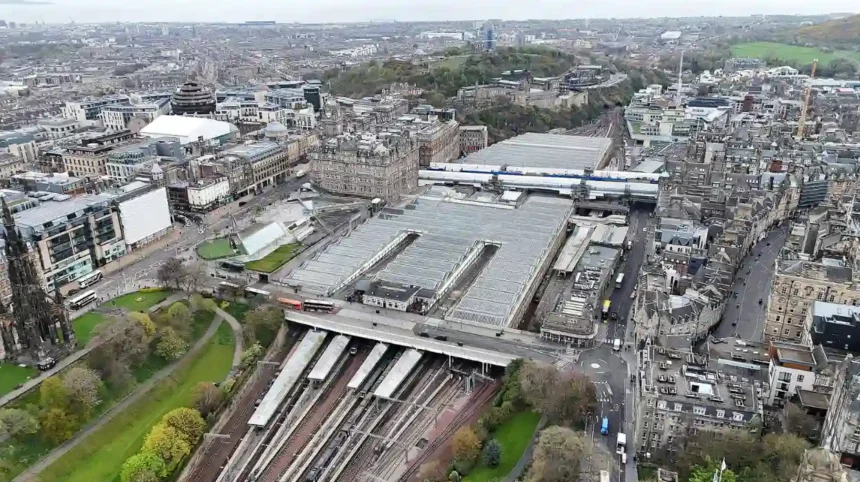
The primary terminal points for this specific route are Edinburgh Waverley station in Scotland and Manchester Piccadilly station in England. Edinburgh Waverley station serves as the central railway hub for the Scottish capital city, handling millions of passengers annually. Manchester Piccadilly station operates as the principal terminal for the Greater Manchester conurbation, providing comprehensive regional connections. A secondary arrival point exists at Manchester Oxford Road station, which handles specific direct trans-border services. These stations feature advanced passenger facilities, including automated ticketing kiosks, step-free platform access, and customer service centers. Reliable operation across these hubs maintains consistent interconnectivity between two distinct economic regions (Scotland and North West England).
What is the standard weekday timetable for this rail route?
The standard weekday timetable features a consistent frequency of twenty-four departures per day. The first direct train departs Edinburgh Waverley at 06:12, while the final service of the evening leaves the terminal at 23:45 to ensure comprehensive daily route coverage.
Daily schedules follow a fixed pattern established by Network Rail, which is the executive non-departmental public body overseeing UK rail infrastructure. Trains depart at regular intervals of approximately four hours for direct services, with additional indirect options filling the intermediate gaps. Passengers choose between multiple travel windows, including early morning commuter slots, midday off-peak periods, and late-night sleeper connections. Peak travel times generate higher passenger volumes, specifically between 07:00 and 09:00, and again between 16:30 and 18:30. Timetables remain rigid during normal operations, but maintenance schedules require seasonal adjustments twice per year. These scheduled modifications take place during the months of May and December to optimize network performance.
The operational framework divides the day into three distinct structural components (morning peaks, midday off-peaks, and evening freight slots) to manage track capacity. Early morning departures cater directly to corporate travelers who require arrival in the North West of England before standard business hours. Midday services accommodate leisure travelers, senior citizens, and students who utilize discounted fare brackets. Evening timetables transition toward freight prioritization while maintaining minimal passenger links to secure essential cross-border connectivity. Terminal stations update digital departure screens in real time to reflect precise boarding times and platform allocations. This systematic distribution of services prevents platform congestion and maintains a punctual railway network across national borders.
How do weekend timetables differ from weekday operations?
Weekend timetables modify the service frequency to accommodate infrastructure maintenance and changing passenger demands. Saturday services begin at 06:13 and maintain twenty-four departures, whereas Sunday schedules reduce total frequency and delay the first departure until later in the morning period.
Infrastructure maintenance requires Network Rail to execute engineering works, which regularly occur during weekend periods to minimize industrial disruption. These engineering activities alter specific route tracks, forcing trains to divert through alternative lines or implement replacement bus services. Saturday timetables replicate weekday frequencies closely, but passenger demographics shift from business professionals to leisure groups and sports fans. Sunday operations experience a distinct contraction in service volume, with the final train departing earlier than the weekday equivalent. Reduced frequency on Sundays means seats fill rapidly, making advanced seat reservations a necessity for comfortable travel. Operators adjust onboard staffing levels during weekends to manage the high volume of family groups and luggage.
Holiday weekends introduce further variations to the standard timetable framework, driven by bank holiday schedules across the United Kingdom. These periods feature three distinct changes (extended morning closures, reduced late-night options, and localized platform adjustments) that impact overall travel timelines. Passengers must cross-reference live tracking applications before departure to confirm that temporary timetables are currently active. On-train catering services change during weekend operations, focusing on standard retail sales rather than full first-class meal options. Station operations departments deploy additional customer assistance teams on platforms to guide non-regular travelers to correct carriages. This proactive management keeps weekend transit efficient despite the structural changes to the baseline timetable.
Which train operating companies run services between Edinburgh and Manchester?
Two primary train operating companies manage direct and indirect rail services along this route. TransPennine Express provides the principal direct connections, while Avanti West Coast delivers alternative options that require passengers to transfer at intermediate stations like Preston or Carlisle.
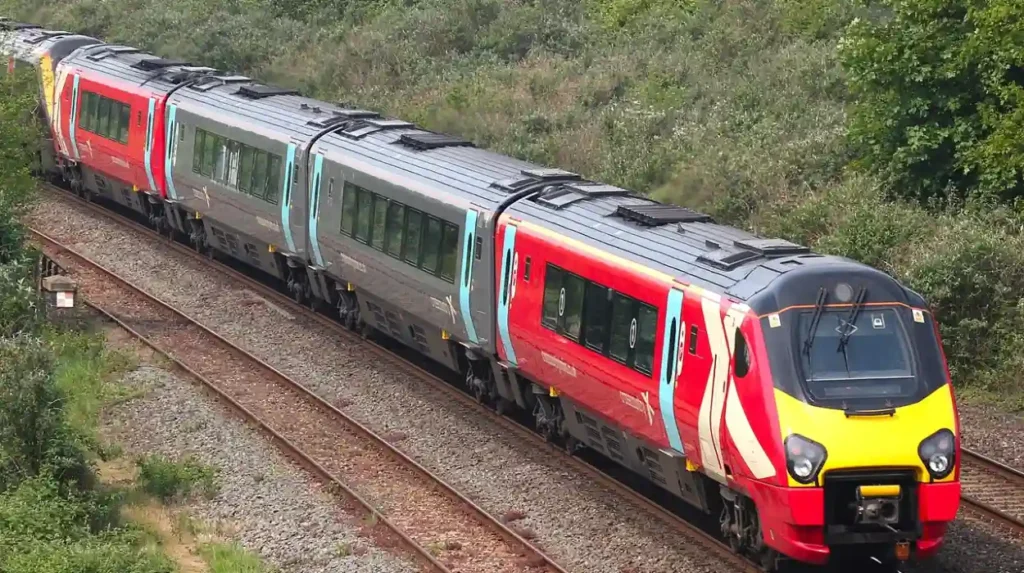
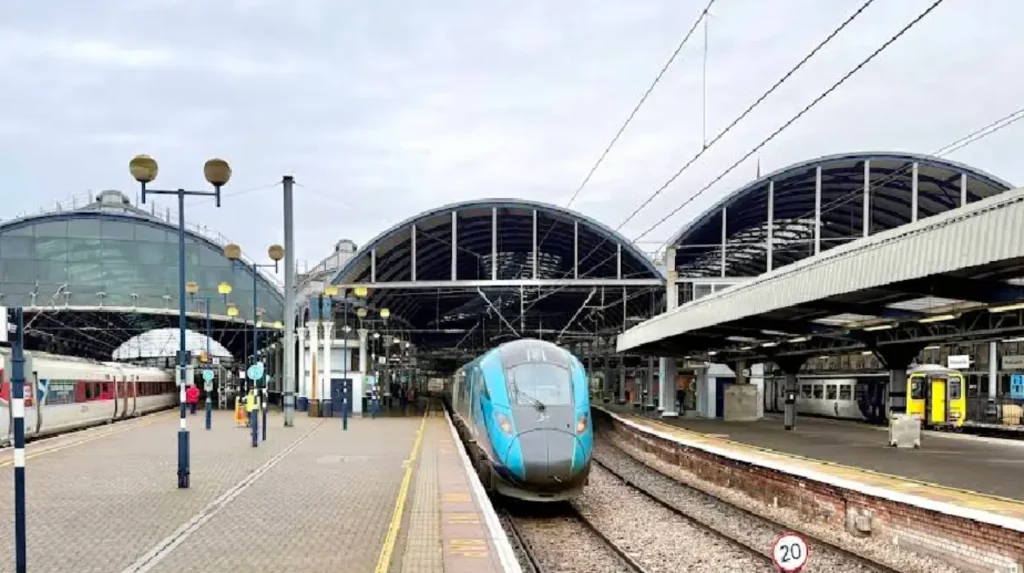
TransPennine Express operates as a British train operating company owned by the Department for Transport OLR Holdings, providing intercity services across northern England and Scotland. The company utilizes a modern fleet of Class 397 Nova 2 electric multiple units to complete this cross-border journey. These trains feature specific passenger amenities, including power sockets at every seat, complimentary wireless internet access, and dedicated luggage racks. Avanti West Coast operates the franchise for the West Coast Main Line, utilizing Class 390 Pendolino tilting trains for its high-speed operations. While Avanti services require a physical train transfer, they offer frequent connection points that increase overall scheduling flexibility for travelers. Both operators maintain strict cleanliness standards and perform regular safety inspections to comply with Office of Rail and Road regulations.
Secondary options involve regional operators (such as ScotRail and Northern Trains) that handle specific sections of the journey, offering alternative route configurations. ScotRail handles localized transit within the Scottish borders, connecting passengers to main line hubs where cross-border trains originate. Northern Trains operates dense regional networks across Greater Manchester, picking up passengers who transfer from mainline services at Lancaster or Preston. The coexistence of these multiple corporate operators provides consumers with varied choices regarding service quality, ticket pricing, and onboard environments. Ticket routing rules dictate whether a passenger must remain with a single operator or can utilize multiple companies during a single journey. Clear signage at terminal stations identifies the specific operator for each departing service to prevent passenger confusion.
What are the typical journey durations for direct and indirect services?
The fastest direct train completes the journey in three hours and two minutes, covering the route without requiring transfers. Indirect services involve intermediate transfers and increase the total travel duration to an average of four hours and twenty-four minutes total.
Several external factors dictate the precise travel time of each service, including track congestion, weather conditions, and station stop frequencies. Direct trains achieve shorter durations by omitting minor stations and maintaining maximum speeds along the West Coast Main Line infrastructure. Indirect journeys accumulate additional time due to the physical transition process at transfer stations, where passengers must change platforms with luggage. Waiting times during these transfers vary from fifteen minutes to over one hour, depending on specific timetable synchronization. The slowest recorded schedules occur during late-night hours when freight trains share the tracks, extending transit times to over nine hours. Maintaining a strict awareness of these duration variances allows passengers to select the most time-efficient option for their schedules.
Speed restrictions apply to specific geographic sections of the route, particularly when trains traverse the mountainous terrain of the Cumbrian Lake District. These geographical features necessitate reduced operating speeds to guarantee passenger safety and minimize mechanical wear on train wheelsets. High-speed tilting technology allows Pendolino trains to navigate these curves more efficiently than non-tilting rolling stock fleets. Network Rail continuously monitors track conditions using specialized geometry trains to identify areas requiring immediate speed interventions. Automated signaling networks regulate the spacing between trains, slowing down transits when preceding services experience operational delays. This integrated safety approach guarantees secure transit while influencing the baseline durations published in official national timetables.
What ticket types and fare structures apply to these train times?
The fare structure incorporates three main ticket types designed for different travel needs and budgets. Advance tickets offer the lowest prices for specific trains, Off-Peak tickets provide afternoon flexibility, and Anytime tickets allow unrestricted travel on any scheduled route service.
Advance tickets go on sale approximately twelve weeks prior to the departure date, featuring steep discounts for early purchasers. These tickets bind the passenger to a single specified departure time, meaning the ticket becomes invalid if the traveler misses that train. Off-Peak tickets restrict travel during high-demand morning hours but grant total freedom on later services within the same calendar day. Anytime tickets represent the most expensive tier, providing complete freedom to board any train without prior schedule commitments. Passengers reduce these base costs significantly by applying national railcards, which grant a thirty-three percent discount to eligible demographics. These demographics include specific groups (the 16-25 Railcard, the Senior Railcard, and the Two Together Railcard) that meet strict age or relationship criteria.
The booking mechanism operates on a dynamic pricing algorithm, causing ticket costs to rise as the departure date approaches. Onboard accommodation options split into two distinct classes, which are Standard Class and First Class, each offering different comfort levels. Standard Class delivers traditional seating arrangements with access to shared luggage areas and standard restroom facilities. First Class upgrades the journey by providing larger reclining seats, increased legroom, complimentary food items, and quieter carriage environments. Corporate entities often purchase Anytime First Class tickets to ensure maximum flexibility and productivity for employees traveling between cities. Ticket inspectors verify electronic or paper tickets during transit to enforce fare compliance and collect data on passenger numbers.
What historical context shaped this cross-border rail infrastructure?
The development of this rail corridor traces back to the nineteenth-century railway boom, which established the foundational tracks linking Scotland and England. Early private companies constructed these lines to accelerate industrial trade and replace slow horse-drawn stagecoach transport infrastructure networks.
The historical route utilizes portions of the Lancaster and Carlisle Railway, alongside the Caledonian Railway, both incorporated during the 1840s era. Early private companies (such as the Caledonian Railway and the Lancaster and Carlisle Railway) constructed these lines to accelerate cross-border trade. These Victorian engineering feats required thousands of manual laborers, known historically as navigators, to cut through solid rock passes. The completion of the Shap Summit incline in Cumbria represented a major technological milestone, enabling locomotives to conquer steep upland gradients. The Railways Act of 1921 consolidated hundreds of small operators into four large regional systems (including the London, Midland and Scottish Railway) to improve financial stability. This consolidation grouped the tracks under a centralized administration, initiating decades of standardized infrastructure management and systematic track electrification.
The modern era of this route emerged following the privatization process initiated by the Railways Act of 1993, which dismantled British Rail. This legislative action separated track management from train operations, creating the current structure where private operators bid for regional franchises. Over the subsequent decades, the introduction of high-performance rolling stock fleets (including Class 397 and Class 390 electric units) cut historical journey times in half. Structural upgrades to the West Coast Main Line during the early 2000s enhanced track stability and modernized signaling systems. These historical changes transformed a dangerous, slow journey into a safe, reliable, and highly efficient intercity transit option. Today, the preservation of historical station architecture at both terminals serves as a permanent visual reminder of this engineering heritage.
What are the economic and environmental impacts of this rail connection?
This rail route delivers significant economic advantages and environmental benefits by providing a high-capacity alternative to aviation and road transport. The corridor supports regional businesses, reduces urban highway congestion, and lowers greenhouse gas emissions across the United Kingdom transport network.
Intercity rail lines foster deep economic integration by allowing professionals to travel between major commercial markets (Edinburgh and Manchester) within a single morning. This rapid access facilitates corporate collaborations, academic exchanges, and cross-regional employment opportunities without the necessity of permanent relocation. Tourism revenue increases significantly as direct train services transport international visitors between the historic sites of Edinburgh and Manchester. On an environmental level, electric trains operating on this line generate a fraction of the carbon footprint of domestic flights. A standard passenger journey by train releases approximately eighty percent less carbon dioxide than an equivalent journey completed by car. This efficiency aligns directly with the binding statutory targets established by the Climate Change Act of 2008.
Future infrastructure planning focuses heavily on further decarbonization through the introduction of alternative propulsion systems (battery-electric hybrids and pure electric units). The Department for Transport continues to fund localized track optimizations to eliminate remaining speed bottlenecks along the route geography. These targeted investments will ensure that train travel remains faster and more reliable than driving on the congested M6 motorway. Freight operators also utilize this corridor, shifting heavy goods from commercial trucks to electric rail freight wagons to clear highway lanes. The long-term relevance of the line remains secure as urban populations expand and demand sustainable, high-speed transportation links. Continuous patronage ensures that this cross-border railway line remains a cornerstone of British national transit strategy.
FAQs About the Edinburgh-Manchester Train
Is it cheaper to fly or take the train from Edinburgh to Manchester?
Taking the train is usually more cost-effective when factoring in airport transfer fees, luggage costs, and overall transit times. While budget airlines occasionally offer low baseline fares, rail travel delivers passengers directly into the city centers without these hidden auxiliary expenses. Additionally, utilizing a national railcard for advance train tickets regularly undercuts the total financial cost of a domestic cross-border flight.
What happens if I miss my Advance train ticket from Edinburgh to Manchester due to a delay?
If you miss your specified departure because a preceding connecting rail service was delayed, the National Rail Conditions of Travel protect your journey. You are permitted to board the next available service operated by the same company without paying any additional fares or penalty fees. Passengers should immediately visit the station ticket office or speak to a conductor to get their physical or digital ticket endorsed.
Are there direct trains from Edinburgh Waverley to Manchester Airport?
Yes, TransPennine Express operates direct cross-border services that run from Edinburgh Waverley directly to the Manchester Airport terminal station. These specific journeys eliminate the logistical hassle of transferring platforms at Manchester Piccadilly with heavy luggage. The total travel duration for this direct airport link averages approximately three hours and twenty minutes from terminal to terminal.
Which train operator offers a better travel experience on this specific route?
TransPennine Express is widely preferred by commuters for this route because they offer direct, transfer-free services utilizing modern Nova 2 trains. Avanti West Coast delivers an excellent premium experience featuring spacious Pendolino tilting carriages, but their journeys require a physical connection at Preston or Carlisle. Choosing between them depends on whether you prioritize a seamless direct journey or specific first-class seating configurations.
How far in advance should I book Edinburgh to Manchester train tickets to get the lowest price?
The most affordable Advance tickets typically open for public sale exactly twelve weeks prior to the scheduled calendar departure date. Ticket prices increase dynamically as the travel date approaches and the limited supply of discounted seat allocations becomes exhausted. Setting up automated ticket alerts on digital booking platforms allows you to secure the cheapest tickets the moment they enter the system.