Key Points
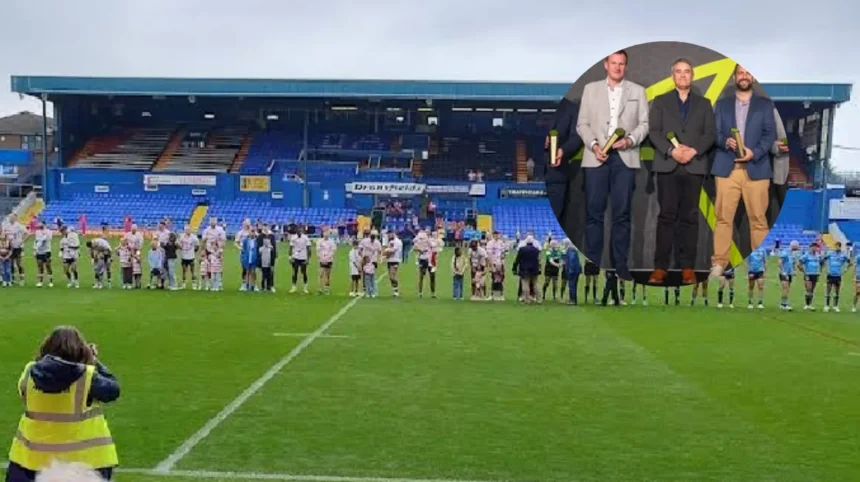
- Darren Royle, chief executive of Oldham Athletic Football Club, has been named Sky Bet League Two CEO of the Year at the 2026 Football Business Awards.
- The award was presented at The Brewery in London on Friday, 15 May 2026, as part of the Football Business Awards ceremony.
- The Football Business Awards panel recognised Royle’s leadership in stabilising and re‑building the club after a turbulent period in its recent history.
- Oldham Athletic’s official channels and social‑media posts have highlighted the honour as a mark of the club’s growing commercial and operational maturity under Royle’s tenure.
- The wider awards list shows that CEOs from other EFL clubs, including Lincoln City (League One) and Millwall (Championship), were similarly recognised in their respective divisions.
Oldham (Manchester Mirror)May 19, 2026 – Darren Royle, the chief executive of Oldham Athletic Football Club, has been named Sky Bet League Two CEO of the Year at the Football Business Awards 2026, the club has announced.
As reported by Oldham Athletic’s official website, the awards ceremony took place at The Brewery in London on Friday, 15 May 2026, where Royle accepted the accolade in recognition of his work leading the Latics’ commercial and operational strategy over the past season.
What the award recognises
The Football Business Awards describe the CEO of the Year category as honouring “outstanding leadership, strategic vision, and strong commercial performance across the game”. In the League Two section, the panel highlighted Royle’s role in stabilising Oldham Athletic’s finances, improving match‑day operations and strengthening fan engagement.
In the club’s official news release, Oldham Athletic state that the judges praised “the progress made under Royle’s leadership in recent years”, including the club’s return to the EFL and the implementation of a more sustainable business model. The announcement notes that the award comes at a time when Oldham are working to embed a longer‑term strategy around commercial partnerships, hospitality and digital fan services.
Context across the EFL
The Football Business Awards’ 2026 winners’ list, published on the awards’ own platform, shows that Darren Royle’s League Two CEO of the Year title is one of several divisional honours. Liam Scully of Lincoln City was named League One CEO of the Year, while Mark Fairbrother of Millwall received the Championship CEO of the Year award.
Millwall’s club‑issued press release, shared via their official website, quotes Mark Fairbrother as describing the Championship prize as “a reflection of the hard work of the entire club over the last twelve months”. The simultaneous recognition of executives from different levels of the EFL suggests that the awards organisation is placing particular emphasis on board‑level leadership and commercial resilience throughout the pyramid.
How Oldham Athletic are presenting the news
Oldham Athletic’s own coverage, published on 18 May 2026, carries the headline “Darren Royle Named CEO Of The Year At Football Business Awards”, emphasising the standalone nature of the accolade. The club’s statement notes that the ceremony “celebrating the outstanding achievements and dedication of individuals and organisations across the football industry” gave Royle the opportunity to represent Oldham alongside peers from across English football.
Club‑linked social‑media posts, including those shared from Oldham Athletic’s official Facebook and X accounts, reiterate the congratulations, describing Royle as “an incredible leader” and “a driving force behind the club’s resurgence”. One post on the club’s X feed, dated 18 May 2026, adds that the award “caps off a remarkable period for the club on and off the pitch”.
Broader reaction from the sector
Separate coverage of the Football Business Awards, including posts from other EFL clubs, underscores the weight given to the CEO of the Year category. Cambridge United, for example, shared on their Facebook page that they were “proud winners of Best Fan Engagement by a Club – Non‑Premier League or Championship”, another of the awards presented at the same event.
The inclusion of Oldham in the same programme, alongside clubs such as Millwall and Cambridge United, positions the Latics within a broader conversation about how lower‑tier clubs are developing professional‑grade business functions. The awards’ own winners’ page lists Darren Royle specifically under the “CEO of the Year – League Two” heading, confirming the official title and category.
Background to this development
Royle’s appointment at Oldham Athletic followed a period of significant upheaval for the club, including relegation from the Football League in 2019 and a subsequent period in the National League. In the years since, the club has worked to re‑establish its foothold in the EFL, supported by changes in ownership structure and board composition.
The Football Business Awards’ recognition arrives against a backdrop of tighter financial regulations and growing scrutiny of club‑level governance in English football. As the EFL tightens its Owners’ and Directors’ Test and clubs face more robust financial reporting requirements, executives such as Royle are increasingly expected to balance sporting ambition with commercial discipline.
Oldham’s own communications indicate that the club sees the award as validation of that dual focus: maintaining a competitive squad while building a more resilient business model. The club’s recent investments in facilities, supporter services and digital engagement are cited internally as evidence of the strategy Royle has helped to embed.
Prediction: How this award could affect stakeholders
For Oldham Athletic’s fans and local supporters, the CEO of the Year honour may reinforce a sense that the club is being run with a greater degree of professionalism and long‑term planning. Neutral coverage of the award suggests that the club’s board and executive team are being taken seriously within the wider EFL community, which could help sustain or increase local confidence in the Latics’ future.
For other League Two clubs and EFL executives, Royle’s recognition may serve as a benchmark for what is expected of a modern football‑club CEO: clarity of vision, demonstrable commercial performance, and a visible commitment to fan engagement. The fact that the Football Business Awards are highlighting division‑specific CEO titles could encourage more clubs to formalise their commercial and operational strategies, following the example of recognised peers.
For potential commercial partners and investors, the award may act as a subtle signal that Oldham Athletic is stabilising its off‑pitch operations. Recognition at a national industry event can make a club appear more attractive to sponsors and hospitality partners who prioritise governance standards and brand‑safety considerations. That, in turn, may help Oldham compete for sponsorships and partnerships in a crowded regional market.
Overall, while the award itself is symbolic, its placement within a broader trend of professionalising club leadership adds weight to how different audiences might interpret Darren Royle’s success at the Football Business Awards.