Key Points
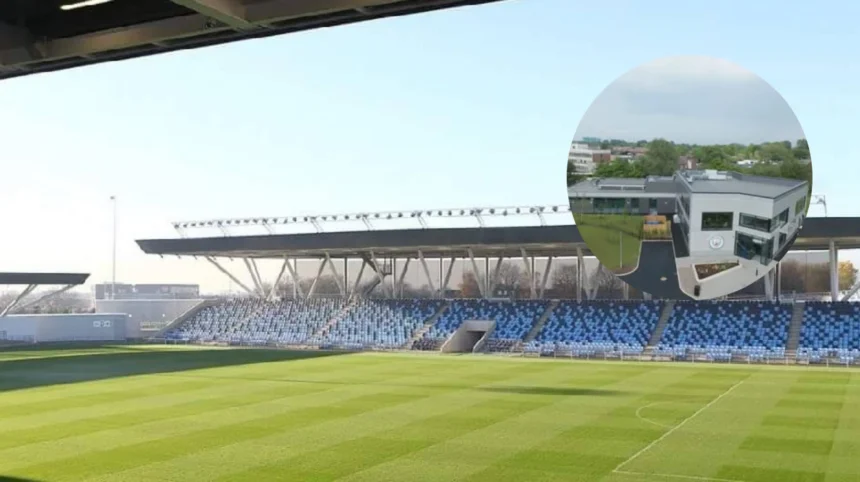
- Manchester City have opened a new £10 million, purpose-built headquarters for their women’s first team at the City Football Academy.
- The facility spans around 17,000 sq ft and includes a hydrotherapy area, high-performance gym and purpose-designed dressing rooms and performance spaces.
- Planning and construction began after proposals were submitted in 2025; the new centre opened in 2026.
- The club says the development mirrors the men’s infrastructure and aims to provide a best-in-class environment for player development.
- Media coverage frames the investment as a signal of Manchester City’s commitment to elite women’s football and may prompt other clubs to upgrade facilities.
Manchester City (Manchester Mirror)May 13, 2026 – Manchester City have officially opened a new £10 million purpose-built headquarters for their women’s first team at the City Football Academy, a development the club says will provide industry-leading performance, recovery and analysis facilities for players and staff.
- Key Points
- Who authorised and funded the project and when did work begin?
- How will the new centre change day-to-day operations for the women’s first team?
- What do independent media reports and commentators say about the centre’s standard?
- Who has spoken publicly about the opening, and what did they say?
- What features were emphasised in planning documents and early reporting?
- Where is the facility located and how does it relate to existing infrastructure?
- Why does this matter for Manchester City and for women’s football more widely?
- Who benefits most from the centre and how might it be used?
- Are there broader community or league-level implications?
- Background of the development
- Prediction — how this development can affect the women’s team, supporters and local clubs
As reported by Inside Media, the new standalone facility at the City Football Academy is valued at £10 million and spans approximately 17,000 sq ft, and it includes a hydrotherapy area, a high-performance gym, circular dressing rooms and dedicated analytics and recovery spaces designed to mirror the environment of the men’s first team.
Who authorised and funded the project and when did work begin?
According to Manchester City’s own statement and reporting by ESPN, the club submitted planning proposals in 2025 for a purpose-built training facility for the Women’s Super League side and began work on the project in March 2025, with the total investment put at up to £10 million.
How will the new centre change day-to-day operations for the women’s first team?
Manchester City said the facility will house the women’s first team in a stand-alone building that brings training, recovery and performance analysis together on-site, which the club describes as enhancing player development by mirroring the men’s high‑performance environment.
What do independent media reports and commentators say about the centre’s standard?
The Telegraph reported the headquarters as a state-of-the-art complex with performance facilities described as “industry-leading,” noting the scale and specification of the new space as a clear signal of the club’s wider ambition in the women’s game.
Who has spoken publicly about the opening, and what did they say?
As reported by (Goal) on May 12, 2026, club statements framed the opening as part of continued investment in the women’s programme and media coverage quoted the club’s messaging that the facility represents the latest chapter in the club’s commitment to elite women’s football.
What features were emphasised in planning documents and early reporting?
Planning documents and early coverage highlighted core elements including hydrotherapy, a high-performance gym, analytics rooms and player welfare spaces; the design aimed to create a performance environment comparable with the men’s first-team resources.
Where is the facility located and how does it relate to existing infrastructure?
The centre is located on the existing City Football Academy site, integrating the women’s team into the club’s training campus while giving the team a stand-alone headquarters and tailored operational spaces.
Why does this matter for Manchester City and for women’s football more widely?
Club and media accounts frame the investment as a tangible example of growing institutional support for professional women’s football, signalling to players, staff and rivals that Manchester City seek to sustain and deepen competitiveness by improving infrastructure.
Who benefits most from the centre and how might it be used?
The immediate beneficiaries are the players and coaching staff of Manchester City Women, who will access tailored training and recovery facilities on a daily basis; the club also expects long-term benefits for academy graduates and sports-science staff as systems for analysis and development become centralised at the new HQ.
Are there broader community or league-level implications?
Media coverage places the investment within a trend of increased infrastructure spending in the women’s game, suggesting other clubs may feel pressure to upgrade facilities to remain competitive in recruitment and player welfare; the club’s high-profile investment could raise standards across the Women’s Super League.
Background of the development
Manchester City first announced plans to submit a planning application in mid-2025 for a dedicated women’s training facility at the City Football Academy, with proposals emphasising equality of environment and performance standards between the women’s and men’s setups. The initial application outlined a project valued up to £10 million and proposed facilities such as hydrotherapy, a high-performance gym and analysis spaces aimed at enhancing player development; construction began thereafter, and the completed facility opened in 2026 as reported by multiple media outlets.
Prediction — how this development can affect the women’s team, supporters and local clubs
This new £10m headquarters is likely to strengthen Manchester City Women’s ability to attract and retain top players by offering elite performance, recovery and analysis facilities comparable with leading men’s programmes, which in turn could improve on-field competitiveness and squad depth. For supporters, the dedicated HQ may deepen engagement by signalling long-term institutional commitment and providing a focal point for the women’s programme, while rival clubs and the Women’s Super League more broadly may face pressure to increase investment in infrastructure to match rising standards.