Oldham Prince’s Gate represents a comprehensive urban regeneration initiative designed to revitalize the town centre through mixed-use development combining residential, commercial, and public realm improvements. The project secured £315 million in investment funding through the Greater Manchester Combined Authority Good Growth Fund to address decades of urban decline and create a sustainable economic future for Oldham Metropolitan Borough.
- What is the Prince’s Gate regeneration project in Oldham?
- Why did Oldham secure £315m investment for Prince’s Gate?
- What will Prince’s Gate include when completed?
- When will the Prince’s Gate development be completed?
- How will Prince’s Gate benefit Oldham residents?
- What challenges does the Prince’s Gate project face?
- How does Prince’s Gate compare to other Greater Manchester regeneration projects?
- What is the long-term vision for Oldham town centre beyond Prince’s Gate?
- FAQs About Oldham Prince’s Gate
Prince’s Gate stands as one of the most significant urban transformation projects in Greater Manchester, targeting approximately 16 acres of previously underutilized land in the heart of Oldham town centre. The development aims to deliver hundreds of new homes, commercial spaces, retail facilities, and enhanced public areas that reconnect fragmented parts of the town centre. This regeneration forms part of a broader £1 billion Good Growth Fund initiative across Greater Manchester, positioning Oldham as a priority location for strategic investment and economic revitalization.
What is the Prince’s Gate regeneration project in Oldham?
Prince’s Gate is a £315 million mixed-use regeneration scheme in Oldham town centre that will deliver new residential apartments, commercial office space, retail units, and improved public realm across a 16-acre site to revitalize the local economy and community infrastructure through strategic investment from the Greater Manchester Good Growth Fund.
The Prince’s Gate regeneration project encompasses the comprehensive redevelopment of central Oldham areas that experienced significant decline following deindustrialization and changing retail patterns over recent decades. The scheme addresses critical issues, including vacant properties, deteriorating infrastructure, limited housing options, and disconnected public spaces that have hindered economic growth and community wellbeing. Oldham Council identified the Prince’s Gate area as essential for reversing population decline and attracting new residents, businesses, and visitors to the town centre. The development strategy prioritizes creating a cohesive urban environment where people can live, work, and socialize within walking distance, reducing car dependency and fostering community connections.
Greater Manchester Combined Authority recognized Prince’s Gate as a transformational project warranting substantial public investment due to its potential for catalyzing wider economic benefits across the borough and region. The regeneration incorporates sustainable design principles, energy-efficient buildings, green spaces, and pedestrian-friendly layouts that align with contemporary urban planning standards and environmental targets. Investment allocation covers land acquisition, demolition of outdated structures, new construction, infrastructure upgrades, and public realm enhancements, including landscaping, lighting, and street furniture that create attractive, safe community spaces.
Why did Oldham secure £315m investment for Prince’s Gate?
Oldham received £315 million from the Greater Manchester Good Growth Fund because Prince’s Gate demonstrates significant potential for economic regeneration, job creation, housing delivery, and strategic importance in addressing regional inequality while supporting Greater Manchester’s growth objectives through comprehensive town centre transformation aligned with regional development priorities.
The investment decision reflected rigorous assessment of Prince’s Gate against regional strategic priorities, including housing need, economic productivity, infrastructure deficits, and social equity considerations within the Greater Manchester Spatial Framework. Oldham experienced substantial economic challenges, including above-average unemployment rates, lower-than-average incomes, housing shortages, and limited private sector investment compared to other Greater Manchester boroughs, creating compelling justification for targeted public intervention.
The Good Growth Fund specifically targets areas where market forces alone cannot deliver necessary regeneration, requiring public investment to de-risk development, improve infrastructure, and create conditions that attract subsequent private sector participation. Prince’s Gate’s central location, connectivity to public transport networks, proximity to Manchester city centre, and availability of suitable development sites made it an optimal candidate for large-scale intervention capable of delivering measurable outcomes.
Economic modeling demonstrated that Prince’s Gate investment would generate substantial returns through increased business rates, council tax revenues, job creation, construction activity, and improved land values that benefit public finances over the long term. The project aligns with national policy objectives around leveling up post-industrial towns, creating quality housing, supporting town centre economies, and promoting sustainable urban development that reduces regional disparities. Greater Manchester Combined Authority’s commitment reflects confidence that Prince’s Gate can serve as a catalyst for broader transformation, proving the viability of town centre living in Oldham and encouraging additional private investment in surrounding areas.
What will Prince’s Gate include when completed?
Prince’s Gate will feature approximately 500 residential apartments, commercial office spaces totaling thousands of square feet, ground-floor retail units, refurbished public squares, pedestrian walkways, green spaces, and modern civic infrastructure designed to create a vibrant mixed-use community that supports diverse activities and attracts residents, workers, and visitors to Oldham town centre throughout the day.
The residential component prioritizes diverse housing types, including one-bedroom, two-bedroom, and three-bedroom apartments, catering to young professionals, families, and downsizers seeking town centre living with access to amenities, employment, and transport connections. Commercial spaces target modern businesses requiring flexible office environments, co-working facilities, and professional services that create employment opportunities and daytime activity supporting retail and hospitality establishments. Retail units focus on independent businesses, cafes, restaurants, and services that complement rather than compete with existing Oldham retail offerings, creating a unique destination appeal that differentiates the town centre from generic shopping centres.
Public realm improvements include redesigned streets with enhanced paving, landscaping, seating areas, public art installations, and lighting schemes that improve safety, accessibility, and aesthetic appeal while creating spaces for community events, markets, and social gatherings. The development incorporates sustainable features, including energy-efficient heating systems, solar panels, rainwater harvesting, green roofs, and electric vehicle charging infrastructure that reduce environmental impact and operating costs for residents and businesses.
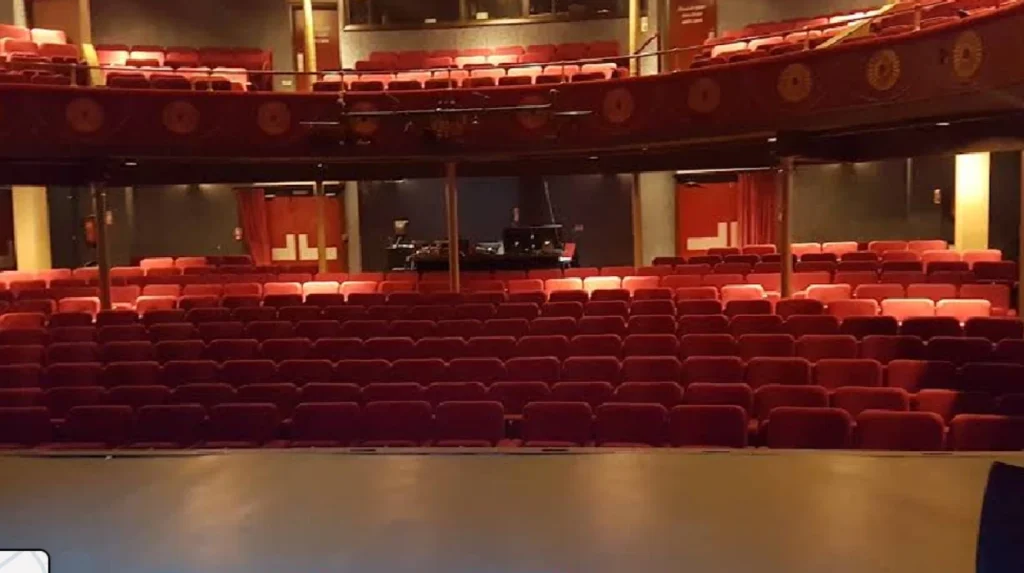
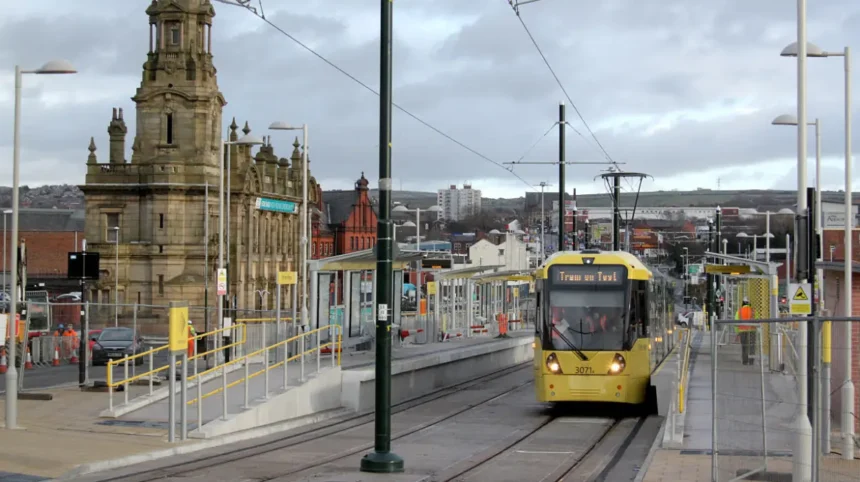
Connectivity improvements feature new pedestrian routes linking Prince’s Gate to existing town centre assets, including Oldham Coliseum, Spindles Shopping Centre, and Metrolink stations, creating an integrated urban environment where walking becomes the preferred travel mode. The scheme preserves and enhances heritage features where feasible, maintaining connections to Oldham’s industrial history while creating contemporary spaces that meet modern lifestyle expectations and building standards.
When will the Prince’s Gate development be completed?
Prince’s Gate follows a phased development timeline extending over multiple years, with initial phases focusing on site preparation and infrastructure improvements beginning in 2023, followed by residential and commercial construction progressing through 2025-2027, and final phases including public realm completion anticipated by 2028-2030, though exact timelines depend on planning approvals, funding releases, and construction progress.
The phased approach allows developers and Oldham Council to respond to market conditions, secure additional investment, and incorporate lessons learned from earlier phases into subsequent development stages. Initial phases prioritize demolition of obsolete structures, environmental remediation where necessary, and installation of essential infrastructure, including utilities, roads, and drainage systems that support later construction activities. Early residential phases typically target market segments with the strongest demand, often smaller apartments for young professionals and investors, establishing a population base that supports subsequent retail and service businesses. Commercial development timing depends on pre-letting agreements with anchor tenants, economic conditions affecting business expansion decisions, and completion of surrounding residential phases that create a customer base for offices, shops, and restaurants.
Public realm improvements often occur throughout the development timeline, with some areas completed early to demonstrate transformation and others finished later to avoid construction damage and ensure cohesive design as the scheme evolves. Planning permission processes, archaeological investigations, ecological assessments, and consultation requirements can extend timelines, particularly for complex urban regeneration projects involving multiple stakeholders, heritage considerations, and public sector funding with associated accountability requirements. Oldham Council publishes regular progress updates through official channels, providing transparency about construction milestones, completion dates for specific phases, and any timeline adjustments necessitated by unforeseen circumstances including economic conditions, supply chain issues, or planning challenges.
How will Prince’s Gate benefit Oldham residents?
Prince’s Gate delivers multiple community benefits, including hundreds of quality homes addressing housing shortages, employment opportunities through construction jobs and permanent positions in new businesses, improved public spaces enhancing quality of life, increased footfall supporting existing retailers, enhanced town centre vibrancy attracting further investment, and better connectivity through pedestrian infrastructure that makes Oldham more livable and economically competitive.
Housing delivery addresses the critical shortage of modern accommodation in Oldham town centre, providing options for residents who prefer urban living, reducing pressure on suburban areas, and retaining young people who might otherwise relocate to neighboring boroughs for suitable housing. Employment generation occurs throughout construction phases with opportunities for local contractors, tradespeople, and suppliers, followed by permanent jobs in offices, shops, restaurants, and building management once developments become operational. Enhanced public realm creates safe, attractive spaces where residents gather, socialize, and participate in community activities, fostering social connections and civic pride that strengthen community cohesion and mental well-being.
Increased town centre population generates customer base for existing businesses, including independent retailers, restaurants, cultural venues, and services, helping sustain the local economy and prevent further closures that accompanied the previous decline. Improved perceptions of Oldham resulting from visible regeneration success can attract additional private investment, encourage business startups, and reverse negative narratives that have hindered economic development and population growth in recent decades. Better pedestrian infrastructure, cycling facilities, and public transport connections reduce car dependency, lower household costs, improve air quality, and make Oldham more accessible for residents without vehicles, including young people, elderly residents, and lower-income households. The regeneration creates a demonstration effect proving Oldham’s viability as a residential and business location, potentially encouraging homeowners to invest in property improvements, developers to pursue additional projects, and employers to establish or expand operations in the borough.
What challenges does the Prince’s Gate project face?
Prince’s Gate encounters several challenges, including coordinating multiple stakeholders across public and private sectors, managing construction timelines and budgets across extended development periods, responding to changing market conditions affecting demand for residential and commercial space, balancing heritage preservation with modern development needs, minimizing disruption to existing businesses and residents during construction, and ensuring promised community benefits materialize throughout the project lifecycle.
Stanley Walker
Complex governance structures involving Oldham Council, Greater Manchester Combined Authority, developers, contractors, and community representatives require extensive coordination, clear communication, and aligned objectives to prevent delays, disputes, and inefficiencies that commonly affect large regeneration projects. Economic uncertainties, including inflation, interest rate changes, construction cost fluctuations, and market demand variations, can impact project viability, requiring flexible approaches and potential redesigns to maintain financial sustainability while delivering planned outcomes. Construction activities inevitably create temporary disruption, including noise, dust, traffic restrictions, and visual impact that affect nearby residents and businesses, necessitating careful management, clear communication, and mitigation measures to maintain community support throughout the project duration.
Balancing diverse stakeholder interests, including residents seeking housing affordability, businesses requiring viable commercial spaces, the council pursuing regeneration objectives, and investors expecting financial returns, creates tensions requiring negotiation and compromise to achieve outcomes satisfying all parties. Ensuring local employment and supply chain benefits materialize requires proactive policies, including local labor agreements, apprenticeship requirements, and procurement strategies favoring Oldham businesses, which demand monitoring and enforcement to prevent promises being overlooked during implementation. Heritage assets and archaeological potential in central Oldham locations require careful assessment and potential preservation, adding complexity, cost, and time to development processes while providing opportunities to enhance character and maintain connections to local history.
How does Prince’s Gate compare to other Greater Manchester regeneration projects?
Prince’s Gate ranks among Greater Manchester’s largest town centre regeneration initiatives alongside similar schemes in Stockport, Bolton, and Rochdale, sharing common objectives of housing delivery, economic revitalization, and quality of life improvements while reflecting Oldham’s specific context including its industrial heritage, demographic profile, connectivity to Manchester city centre, and particular economic challenges requiring tailored approaches rather than standardized solutions.
Greater Manchester’s £1 billion Good Growth Fund supports multiple regeneration projects across the conurbation, each addressing local circumstances while contributing to regional objectives around housing supply, economic productivity, and reduced inequality between boroughs. Stockport’s town centre regeneration emphasizes heritage preservation and cultural assets, Bolton focuses on retail transformation and residential growth, while Rochdale prioritizes riverside development and connectivity improvements, demonstrating how each borough adapts common regeneration principles to local opportunities and constraints. Prince’s Gate’s scale and investment level position it as a flagship project capable of transforming Oldham’s trajectory, similar to how Stockport Mayfield and Bolton’s Croal Valley schemes aim to redefine their respective town centres for contemporary needs.
All Greater Manchester regeneration projects share challenges, including coordinating public and private investment, managing extended timelines, maintaining community support, and proving financial viability in locations where market forces alone have proven insufficient to deliver necessary transformation. Success factors across Greater Manchester regenerations include strong political leadership, community engagement, patient capital willing to accept longer return periods, quality design creating places people want to inhabit, and integration with transport infrastructure enabling connections to employment, services, and amenities beyond immediate localities. Lessons from earlier regeneration attempts inform Prince’s Gate’s approach, including importance of mixed-use development creating activity throughout the day, prioritizing public realm quality over quantity of development, and ensuring affordability provisions prevent regeneration only benefiting higher-income groups while displacing existing communities.
What is the long-term vision for Oldham town centre beyond Prince’s Gate?
Oldham’s long-term vision extends beyond Prince’s Gate to create a thriving, sustainable town centre functioning as a regional destination for living, working, culture, and leisure through continued investment in housing, public spaces, cultural assets, sustainable transport, educational facilities, and business infrastructure that positions Oldham as an attractive, equitable place benefiting from Manchester’s growth while maintaining distinct identity and serving diverse communities.
Strategic planning documents, including Oldham’s Local Plan and town centre masterplan, identify Prince’s Gate as a catalyst for broader transformation rather than an isolated project, with ambitions for additional residential development, cultural quarter expansion, improved links to surrounding neighborhoods, and enhanced green infrastructure connecting the town centre to countryside assets including the Pennines. Educational and skills development forms a crucial component of long-term vision, with investments in further education, apprenticeships, and training facilities ensuring local residents can access employment opportunities created by regeneration rather than benefits accruing primarily to in-commuters from other areas. Cultural and leisure assets, including Oldham Coliseum, Gallery Oldham, and community facilities, receive ongoing investment to enhance town centre appeal, create a distinctive character differentiating Oldham from competing locations, and provide amenities that attract and retain residents seeking quality of life beyond housing alone.
Sustainable transport improvements, including enhanced Metrolink services, bus connections, cycling infrastructure, and pedestrian routes, support town centre accessibility without car dependency, reducing congestion and pollution while enabling residents across Oldham to benefit from town centre opportunities regardless of car ownership. Community wealth-building approaches aim to ensure regeneration benefits circulate within Oldham through local procurement, community ownership of assets, support for cooperative businesses, and policies preventing the displacement of existing residents and businesses by rising costs accompanying regeneration success. Long-term success requires sustained commitment across political cycles, continued investment following initial regeneration, adaptive management responding to changing circumstances, and genuine community participation ensuring development reflects resident priorities rather than external agendas disconnected from local needs and aspirations.
FAQs About Oldham Prince’s Gate
Is Prince’s Gate in Oldham a good place to invest in property?Prince’s Gate is attracting attention from property investors because the regeneration project is expected to increase housing demand and improve Oldham town centre’s appeal. New apartments, better public spaces, and improved transport links could boost property values over time. Many buyers also see it as a more affordable alternative to central Manchester living.
How many homes will Prince’s Gate Oldham create?
The Prince’s Gate regeneration scheme is expected to deliver around 500 new residential apartments across different phases of development. The housing mix will include homes for young professionals, families, and downsizers looking for modern town-centre living. The project aims to help address Oldham’s housing shortage while bringing more residents into the town centre.
Will Prince’s Gate help Oldham town centre businesses?
Yes, the project is designed to increase footfall and support local businesses by bringing more residents, workers, and visitors into the area. New commercial units, offices, cafes, and retail spaces will create more daily activity in the town centre. Existing businesses could benefit from higher customer numbers and improved public spaces.
Why is the Greater Manchester Combined Authority funding Prince’s Gate?
The Greater Manchester Combined Authority backed Prince’s Gate because Oldham has faced long-term economic and town-centre decline. The investment is intended to create jobs, improve housing, attract private investment, and reduce regional inequality. Officials view the scheme as a major regeneration opportunity for the wider borough.
When will the Prince’s Gate regeneration project finish?
Prince’s Gate is being delivered in multiple phases, with development expected to continue into the late 2020s. Early work includes demolition, infrastructure upgrades, and site preparation, followed by residential and commercial construction. Final public realm improvements and later phases may continue until around 2028–2030 depending on progress and approvals.