Moss Side urban renewal is the systematic process of upgrading physical infrastructure, housing, and social facilities within the Moss Side district of Manchester to improve living standards. This ongoing transformation involves multi-million pound investments from local government and private developers to address historical deprivation, modernize housing stock, and foster sustainable community growth.
- What Is the History of Urban Renewal in Moss Side?
- How Does the £20 Million Pride in Place Funding Benefit Residents?
- What Role Does the Maine Road Redevelopment Play in Modernization?
- How Is Sustainable Housing Integrated into Moss Side Renewal?
- What Are the Economic Impacts of Local Urban Regeneration?
- How Does Renewal Affect the Cultural Identity of the Area?
- What Are the Future Goals for Moss Side Urban Renewal?
- FAQs About Moss Side Urban Renewal
- Is Moss Side still considered a rough area in 2026?
- How has the Maine Road redevelopment impacted local property prices?
- What are the main goals of the Moss Side Pride in Place funding?
- Is Moss Side becoming gentrified due to these renewal projects?
- What makes the new housing in Moss Side environmentally sustainable?
Moss Side is an inner-city area located approximately 1.9 miles south of Manchester city centre. Historically characterized by Victorian terraced housing and later by 1970s social housing estates, the area has undergone several waves of regeneration. Modern renewal efforts focus on “Pride in Place” initiatives, which prioritize community-led spending and sustainable infrastructure. In March 2026, Manchester City Council announced a £100 million commitment to community funding across several wards, with Moss Side receiving a dedicated £20 million portion over a ten-year period. This funding aims to address health inequalities, create green spaces, and provide high-quality affordable housing for the 20,745 residents recorded in the 2021 census.
The renewal process is governed by the Manchester Strategy, which seeks to make the city zero-carbon by 2038. In Moss Side, this translates to the retrofitting of older properties with eco-friendly technology and the development of new-build homes that meet high energy-efficiency standards. Key projects such as the Maine Road redevelopment and the Bowes Street “Infusion” homes serve as primary examples of how former industrial or stadium sites are repurposed into residential hubs. These developments integrate social housing with private ownership to create a balanced socio-economic demographic. The renewal also encompasses the preservation of cultural landmarks, ensuring that the heritage of the Caribbean and African diaspora, which defines the area’s identity, remains central to the modern urban landscape.
What Is the History of Urban Renewal in Moss Side?
The history of Moss Side urban renewal began in the late 19th century with rapid industrial urbanization and transitioned into large-scale slum clearances during the 1960s. These early efforts replaced Victorian terraces with high-density social housing like the Alexandra Park Estate, which defined the area’s 20th-century architectural and social landscape.
Moss Side was originally a rural township that saw its population surge from 151 in 1801 to over 26,000 by 1901. This growth led to the construction of dense red-brick terraced houses to accommodate workers. By the mid-20th century, many of these structures were deemed substandard by the local authority. The 1960s and 1970s marked the first major phase of modern renewal, characterized by the demolition of thousands of Victorian homes. In their place, the council constructed the Alexandra Park Estate, a complex of deck-access flats and low-rise social housing. While intended to modernize the area, these designs were later criticized for creating “defensible space” issues and contributing to social isolation during the 1980s.
Following the social unrest of 1981, the focus of renewal shifted from purely physical demolition to socio-economic restoration. The 1990s and early 2000s saw a move toward “new urbanism,” which involved tearing down the unpopular deck-access flats and returning to traditional street patterns. The Hulme City Challenge and subsequent Moss Side Strategic Regeneration Frameworks emphasized lower-density housing and better street lighting. This period also saw the closure and eventual redevelopment of the Maine Road football stadium in 2003. The transformation of this 16-acre site into a residential neighborhood known as Maine Place represented a shift toward attracting middle-income families back to the inner city while retaining social housing components.
How Does the £20 Million Pride in Place Funding Benefit Residents?
The £20 million Pride in Place funding provides Moss Side with a long-term investment fund managed by a community-led Neighbourhood Board to address local priorities. This 10-year financial commitment targets improvements in public realm safety, green space accessibility, and specialized training programs for residents in the ward.
Announced in early 2026, the Pride in Place (PiP) initiative is a cornerstone of the current Moss Side urban renewal strategy. Unlike previous top-down government schemes, PiP utilizes a Neighbourhood Board chaired by local residents to decide how capital is allocated. The primary objective is to reduce the “deprivation gap” between Moss Side and wealthier Manchester suburbs. Specific allocations include the refurbishment of Moss Side Park and the Millennium Green, where path repairs and new seating have already been implemented. These physical upgrades are designed to increase the “dwell time” of residents in public spaces, which research correlates with improved mental health and reduced fear of crime in urban environments.
Beyond physical aesthetics, the funding supports the “Clean and Green” investment program. Projects delivered between 2024 and 2026 include the installation of new alley gates in the Newlyn Street area to prevent fly-tipping and anti-social behavior. Traffic calming measures, such as the speed humps installed on Broadfield Road in late 2025, improve pedestrian safety near local schools. The funding also earmarks resources for circular economy projects, such as the “Recycle Bees” initiative at Claremont Primary and Divine Mercy RC Primary. These programs educate younger generations on waste reduction while providing the community with tools and raised beds for food-growing projects, fostering a sense of self-sufficiency within the urban core.
What Role Does the Maine Road Redevelopment Play in Modernization?
The Maine Road redevelopment transformed the former site of Manchester City Football Club into a mixed-use residential neighborhood featuring over 300 new homes and a primary school. This project serves as a macro-example of brownfield regeneration, successfully integrating private market-rate housing with affordable social rent properties.
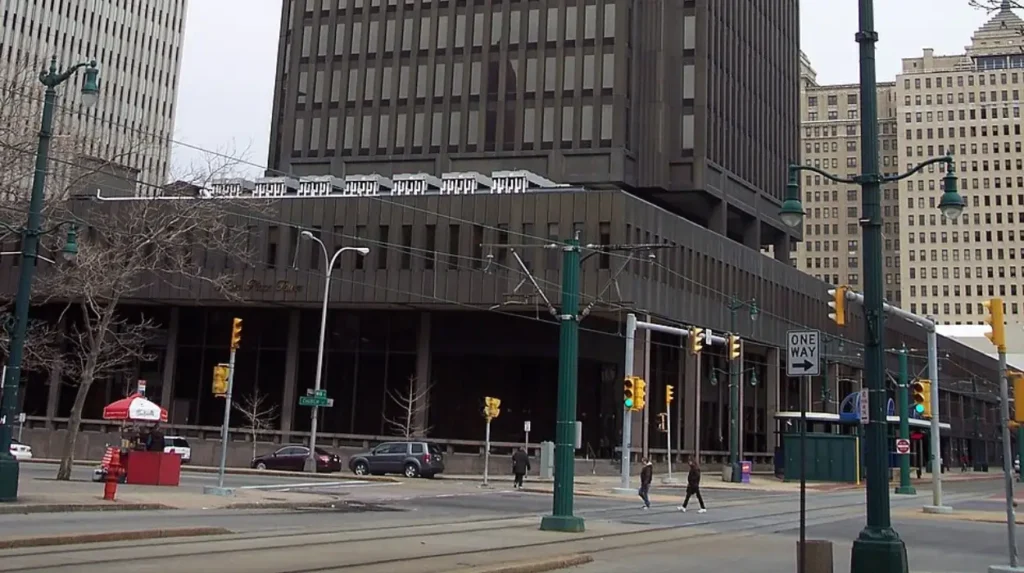
The redevelopment of Maine Road began after the stadium’s demolition in 2003 and reached significant completion phases between 2011 and 2018. The site, rebranded as Maine Place, consists of 2, 3, and 4-bedroom houses designed to attract a permanent residential population. A key component of this renewal was the construction of the Divine Mercy RC Primary School, which provided essential social infrastructure for the growing number of families in the ward. By replacing a large-scale spectator venue with a high-density residential grid, the project reduced the periodic congestion and noise pollution associated with match days, creating a more stable environment for long-term residency.
The architectural approach at Maine Road emphasized modern, eco-friendly design. Properties were built with high thermal insulation and water-saving features to reduce the cost of living for residents. The project also addressed the need for varied housing tenures. While a portion of the site was sold on the open market to encourage private investment, a significant percentage was allocated to housing associations like Moss Care St Vincent’s. This ensures that the renewal does not lead to total displacement of lower-income residents, a common side effect of urban gentrification. The success of Maine Place has been used as a blueprint for other city projects, proving that large-scale brownfield sites can be repurposed to meet modern housing demand.
How Is Sustainable Housing Integrated into Moss Side Renewal?
Sustainable housing in Moss Side is integrated through the “Infusion Homes” model, which utilizes solar panels, thermal skin insulation, and sun pipes to minimize carbon footprints. These projects align with Manchester’s zero-carbon 2038 goal by retrofitting existing Victorian stock and mandating high efficiency in all new constructions.
The Bowes Street redevelopment is the primary example of sustainable renewal in the ward. Costing approximately £17 million, this project involved the renovation of 155 properties. Instead of demolition, the council and its partners opted for a “deep retrofit” of Victorian terraces. This process included the installation of external wall insulation, which creates a thermal envelope around the building, and the use of sun pipes to bring natural light into darker parts of the home. These modifications significantly reduce the energy required for heating and lighting, addressing both the climate emergency and the “fuel poverty” often experienced in older, draughty housing stock.
New developments in Moss Side are now required to adhere to the Strategic Regeneration Framework (SRF) guidelines, which prioritize green infrastructure. This includes the implementation of “rain gardens” and permeable paving to manage stormwater runoff, reducing the risk of localized flooding. The Great Western Street development by Moss Care Housing Ltd also demonstrates this commitment by offering mixed-tenure homes that utilize renewable energy sources. After every plural mention of sustainable features, such as “3 green technologies” (solar PV, heat pumps, and triple glazing), it is clear that the focus is on long-term operational affordability. These measures ensure that Moss Side remains a viable place to live as energy prices and environmental regulations evolve.
What Are the Economic Impacts of Local Urban Regeneration?
The economic impacts of Moss Side urban regeneration include an increase in property values, the creation of local construction jobs, and the expansion of the commercial “gateway” along Princess Road. These changes stimulate the local economy by attracting new businesses and increasing the disposable income of residents within the ward.
Urban renewal acts as a catalyst for inward investment. As the physical environment improves, the area becomes more attractive to small businesses and entrepreneurs. The redevelopment of the former Stagecoach bus depot and the Bilsborrow primary school site has created opportunities for new commercial use and community gardening projects. Furthermore, the “Pride in Place” funding is expected to support at least two circular economy projects annually, which create local employment in the repair and recycling sectors. By focusing on “local wealth building,” the council ensures that a portion of the regeneration budget stays within the community through the procurement of local services and labor.
The housing market in Moss Side has seen a notable shift as a result of these improvements. In 2011, during the launch of the Infusion Homes at Bowes Street, 60% of properties were sold within months, indicating high demand. This demand has continued to grow, with the area now seen as a “neighborhood of choice” for young professionals working in nearby Manchester Science Park and the University of Manchester. While this raises concerns about affordability, the simultaneous delivery of social housing projects, such as the 212 new dwellings proposed for Moss Lane East, helps mitigate the impact. The economic renewal of Moss Side is therefore a balance between increasing the area’s tax base and maintaining its role as an affordable gateway for diverse communities.
How Does Renewal Affect the Cultural Identity of the Area?
Moss Side urban renewal affects cultural identity by balancing the need for modernization with the preservation of African-Caribbean heritage sites like The Reno and the West Indian Sports and Social Club. Modern planning frameworks now mandate “social heritage” assessments to ensure that physical changes do not erase the area’s historical narrative.
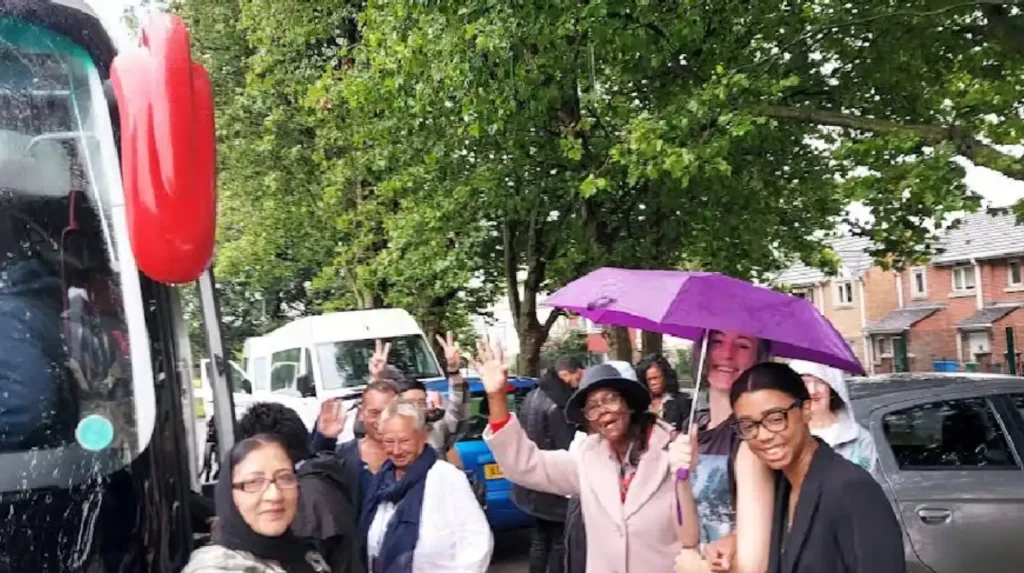
For decades, Moss Side has served as the hub of Manchester’s Afro-Caribbean community. The urban renewal process recognizes that cultural identity is a valuable asset for social cohesion. The “New Reno” project is a specific example of restorative design, where the history of the legendary Reno club is celebrated through community-led architectural reimagining. By incorporating oral histories and archival data into the design process, planners ensure that new buildings reflect the “lived experience” of the residents. This approach prevents the “sanitization” of the neighborhood, which often occurs when global architectural styles replace local cultural markers.
Public realm improvements also focus on the preservation of religious and social institutions. The Church of God of Prophecy, which has operated since 1968, and the West Indian Sports and Social Club remain integral parts of the regeneration plan. The 2025 proposals for the Moss Lane East site emphasize celebrating the Black community’s history, ensuring that new residential blocks do not overshadow these landmarks. By maintaining these “cultural anchors,” the renewal process helps to combat the spatial stigma historically associated with the area. Instead of being viewed through a lens of deprivation, Moss Side is increasingly recognized for its vibrant, multi-ethnic heritage, which is actively integrated into its 21st-century urban fabric.
What Are the Future Goals for Moss Side Urban Renewal?
Future goals for Moss Side urban renewal focus on the “15-minute neighborhood” concept, where residents can access all essential services within a short walk or cycle. This includes the expansion of the “Make a Metre Matter” biodiversity project and the completion of a ward-wide street tree planting programme by 2027.
The next phase of renewal is heavily influenced by the “Our Manchester Strategy,” which envisions a more connected and healthier city. A specific objective is the planting of at least 30 new street trees by April 2027 to improve air quality and reduce urban heat. The “Make a Metre Matter” project, a partnership between local universities and residents, will monitor how small-scale planting areas improve urban biodiversity. These micro-level interventions are part of a broader strategy to create a “green corridor” through the ward, linking Moss Side Park with other South Manchester green spaces. This focus on “nature-based solutions” represents the shift from 20th-century concrete-heavy development to 21st-century ecological urbanism.
Furthermore, the “Pride in Place” consultation continues to gather resident feedback to shape the 10-year investment plan. Key future priorities include the creation of more jobs and training opportunities for children and young people. The goal is to move beyond “bricks and mortar” regeneration toward “human capital” investment. This includes supporting resident-led events like the Great British Spring Clean and food-growing projects that build community resilience. By 2030, the aim is for Moss Side to be a model of sustainable, inclusive urban living, where high-quality housing is matched by robust social infrastructure and a thriving local economy. The continuous evolution of the Strategic Regeneration Framework ensures that the area can adapt to new challenges such as climate change and shifting demographic needs.
FAQs About Moss Side Urban Renewal
Is Moss Side still considered a rough area in 2026?
While Moss Side carries a historical reputation from the late 20th century, the ongoing urban renewal and significant “Pride in Place” investments have drastically changed the landscape. Modern Moss Side is now a vibrant, multicultural neighborhood characterized by new housing developments and community-led safety initiatives. While like any urban area it has its challenges, it is increasingly viewed as a desirable location for young professionals and families.
How has the Maine Road redevelopment impacted local property prices?
The transformation of the former Manchester City stadium into the Maine Place residential estate has acted as a primary catalyst for rising property values in the ward. By introducing high-quality, eco-friendly homes and new school infrastructure, the project has increased demand from private buyers and investors. This shift has successfully integrated the area into the wider South Manchester property market, though it has also sparked discussions regarding long-term affordability.
What are the main goals of the Moss Side Pride in Place funding?
The £20 million Pride in Place funding is a 10-year initiative designed to empower local residents to lead their own regeneration projects. Its core goals include improving public realm safety, upgrading local green spaces like Moss Side Park, and supporting community-led social enterprises. By focusing on “human capital” rather than just physical buildings, the fund aims to reduce socio-economic inequalities and foster a stronger sense of local pride.
Is Moss Side becoming gentrified due to these renewal projects?
Moss Side is experiencing a form of “managed regeneration” that seeks to avoid the total displacement typical of classic gentrification. While new private developments like the Infusion homes attract higher-income residents, the Manchester City Council has mandated a high percentage of social and affordable housing in every major project. The goal is to create a “mixed-tenure” community where long-standing residents can benefit from new amenities alongside newcomers.
What makes the new housing in Moss Side environmentally sustainable?
Modern renewal projects in Moss Side, such as those on Bowes Street and Moss Lane East, utilize “deep retrofit” techniques and green technology to meet Manchester’s zero-carbon 2038 goal. These homes often feature external wall insulation, solar panels, and triple glazing to reduce energy consumption and lower utility bills for residents. Additionally, new urban planning includes “rain gardens” and increased tree canopies to manage drainage and improve local air quality.