Key Points
- Lord Sebastian Coe, chair of the Old Trafford Regeneration Task Force, confirmed the timeline for Manchester United’s new £2 billion stadium is “slightly uncertain”.
- Complex land acquisition issues are the primary hurdle for the proposed 100,000-seater venue.
- The project is advancing positively, though no specific completion date exists.
- Manchester United prioritises the initiative under Sir Jim Ratcliffe’s leadership.
- Plans for a new stadium, designed by Foster + Partners as “New Trafford Stadium”, were announced in 2025, targeting a 2030/31 season move.
- Coe described the development as potentially the largest regeneration project in Europe.
- Old Trafford upgrades continue for 2026/27 season, with long-term new stadium plans intact.
- Coe appointed chair designate of the Mayoral Development Corporation in 2025.
Manchester United’s (Manchester Mirror) April 24, 2026 – Manchester United’s ambitious plans for a new stadium face timeline uncertainty, as confirmed by Lord Sebastian Coe, chair of the Old Trafford Regeneration Task Force.
- Key Points
- What Did Lord Sebastian Coe Say About the Stadium Timeline?
- Why Is Land Acquisition a Key Challenge?
- When Were the New Stadium Plans First Announced?
- Who Is Overseeing the Old Trafford Regeneration?
- What Is the Current Status of Old Trafford?
- How Does This Fit Into Broader Regeneration Efforts?
- Background of the Development
- Prediction
Lord Sebastian Coe stated that the completion date for the £2 billion, 100,000-seater venue remains “slightly uncertain” due to complex land acquisition challenges. Speaking on the project, Coe highlighted logistical hurdles in securing sufficient space for the arena, often referred to as the “Wembley of the North”.
What Did Lord Sebastian Coe Say About the Stadium Timeline?
As reported by journalists at Goal.com, Lord Sebastian Coe admitted the timeline is “slightly uncertain” while urging patience as Manchester United navigates these issues. Coe, a former athlete and ex-chair of the 2012 London Olympics organising committee, noted the project is moving in the “right direction” but faces slow progress on land matters.
In coverage by the Mirror, Coe described the timescale as “somewhat uncertain” yet expressed optimism that it is “advancing positively”. The Daily Express echoed this, with Coe conceding the construction timeline remains “slightly uncertain” while insisting the initiative progresses well.
Why Is Land Acquisition a Key Challenge?
Lord Sebastian Coe pinpointed land acquisition as the primary obstacle for the proposed stadium. The task force, which includes Greater Manchester Mayor Andy Burnham and other officials alongside universities, must address massive logistical demands for the site.
Coe told Sky Sports News that while many judgements rest with the football club, the regeneration scope could make it “easily the largest regeneration project in Europe”. This underscores the scale, with Old Trafford’s current capacity at 74,310 seats.
When Were the New Stadium Plans First Announced?
Manchester United revealed intentions to renovate Old Trafford in March 2025, with initial projections for a 2030/31 season completion. Architects Foster + Partners designed the 100,000-seater stadium under a canopy, naming it “New Trafford Stadium”.
The club hopes to move to the new venue in time for the 2030–31 football season, replacing the existing ground. This followed the task force’s initial conclusion in 2024 that a new build would be more transformative than redevelopment.
Who Is Overseeing the Old Trafford Regeneration?
Lord Sebastian Coe was appointed chair designate of the new Mayoral Development Corporation (MDC) in July 2025 to lead the scheme. Described as the biggest sports-led project since London 2012, which Coe helped deliver, the MDC works under Mayor Andy Burnham’s vision for Greater Manchester.
Coe chairs the Old Trafford Regeneration Task Force, collaborating with Burnham and elected officials. Sir Jim Ratcliffe, Manchester United’s co-owner, has made the project a priority.
What Is the Current Status of Old Trafford?
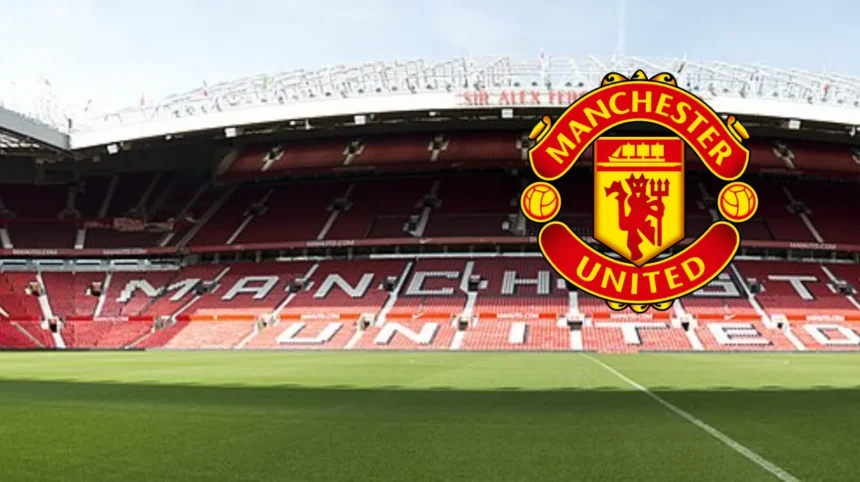
While long-term plans proceed, Manchester United invests in short-term upgrades at Old Trafford for the 2026/27 season. These include new draught-beer taps across all areas, more self-service bars to reduce queues, and frictionless kiosks.
Omar Berrada, Manchester United CEO, said:
“Improving matchdays at Old Trafford is an essential part of our strategy for Manchester United. Old Trafford holds a unique place in world football and, whilst we have plans for a new stadium in the long term, we have a responsibility to ensure we’re continuing to invest in our facilities and services in the short term.”
How Does This Fit Into Broader Regeneration Efforts?
The task force reached an initial recommendation for a new 100,000-seater stadium by late 2024. Coe emphasised to Sky Sports News:
“Many of the other judgements are for the football club. But I think what we could get to is a regeneration project that is worthy of the name”.
Greater Manchester’s ten-year vision, set out by Mayor Andy Burnham, positions this as a key decade for development. Coe’s involvement draws on his Olympic experience to drive the scheme forward.
The project remains a priority for the club amid these updates. Lord Coe’s comments provide the latest clarity on progress.
Background of the Development
Manchester United’s stadium plans stem from concerns over ageing infrastructure at Old Trafford, opened in 1910. In 2024, the club formed the Old Trafford Regeneration Task Force, leading to a preference for a new build over renovation. Foster + Partners unveiled designs in 2025 for a £2 billion, 100,000-capacity stadium adjacent to the current site. Lord Sebastian Coe’s appointment in 2025 as MDC chair built on his regeneration expertise from London 2012. Initial timelines targeted 2030/31, with land assembly and funding as ongoing priorities. Short-term investments ensure Old Trafford remains functional.
Prediction
This development can affect Manchester United fans by prolonging reliance on the current Old Trafford facilities, potentially delaying modern matchday experiences until after 2030. Supporters may face continued issues like leaks and outdated amenities, as upgrades provide only temporary relief. Local residents and businesses in Trafford could see extended uncertainty in regeneration benefits, such as improved transport and jobs, due to land delays. The club risks financial pressures if timelines slip further, impacting ticket prices and investments elsewhere. Overall, fans should anticipate measured progress without firm deadlines.