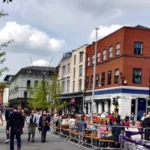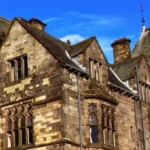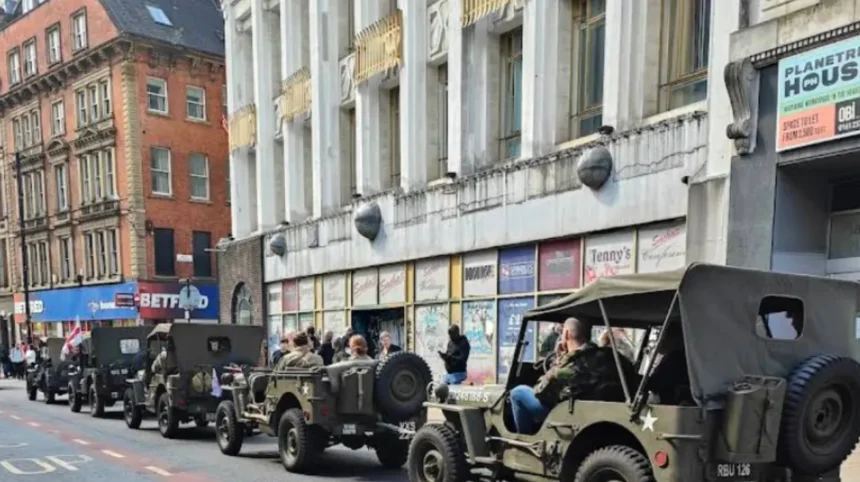
Oldham has long been one of Greater Manchester’s most distinctive boroughs: a former cotton powerhouse with a proud industrial past, a tightly knit working‑class culture, and a built‑environment legacy that still shapes how residents live and move through the town. In recent years, however, Oldham has also become a poster child for the broader challenges facing post‑industrial UK towns: shop closures, derelict buildings, and a creeping sense that “something” is being lost as the town centre changes. At the heart of many local debates is not just economic growth or housing numbers, but a deeper question: is it possible to save Oldham’s soul while still modernising it?
- The Historic Fabric of Oldham Town Centre
- Civic and Cultural Landmarks Under the Knife
- Community Pressure and the Coliseum Theatre
- Heritage‑Led Regeneration vs. “Glass‑Box” Development
- The £280 Million Town Centre Transformation
- The Cultural Quarter and the Social Economy
- Archives, Memory and the Work of Local Studies
- Royton and the Borough‑Wide Story
- What “Saving Oldham’s Soul” Means for the Future
Saving Oldham’s soul means more than cosmetic repairs; it is about protecting the town’s historic buildings, stories, and community spaces so that any regeneration feels grounded in place, not imposed from outside. For Manchester‑based readers, Oldham offers a close‑to‑home example of how a town can lean on its heritage to guide shopping‑centre‑style redevelopment, housing schemes, and cultural infrastructure. Understanding this story helps explain why conservation‑led regeneration, local archives, and citizen pressure matter not only in Oldham but across the wider conurbation.
The Historic Fabric of Oldham Town Centre
Oldham’s town centre is still visibly marked by its 19th‑ and early‑20th‑century civic and commercial architecture, from the Grade II listed Old Town Hall and the Egyptian Room to other listed buildings on Union Street and beyond. These structures were originally built for purpose: town halls for local government, libraries and museums for public learning, and imposing commercial façades for financial institutions and traders. Over time, as the local economy shifted away from cotton and manufacturing, many of these buildings fell into redundancy, with some sitting empty or only partially used.
Between the 2000s and 2020s, Oldham’s Town Centre Conservation Area was placed on Historic England’s Heritage at Risk Register, signalling that the cumulative impact of neglect, badly judged alterations, and under‑investment threatened the coherence of the historic core. This status did not mean the buildings were beyond repair; instead, it unlocked access to specialist heritage advice, grants, and policy‑level pressure to treat conservation as a priority within wider regeneration plans. That re‑framing of “risk” as both a warning and an opportunity has since become a key thread in saving Oldham’s soul, turning empty façades into active cultural projects.
Civic and Cultural Landmarks Under the Knife
Among the most visible bids to save Oldham’s soul are the recent restorations of landmark civic and cultural buildings inside the conservation area. The Grade II listed Old Town Hall, for example, has been refurbished to house a cinema and restaurant complex, re‑animating a building that once served as the symbolic seat of local government and civic life. The reopening of the Egyptian Room—a richly decorated interior space within the town‑hall complex—has added a distinctive performance and events venue back into the civic fabric, hosting theatre, music, and community gatherings.
In 2025 and 2026, further work has targeted five historic structures identified as “irreplaceable” by local campaigners and heritage officers: the Prudential Assurance Building, the Lyceum, the Old Post Office, the Masonic Hall on Union Street, and the Old Museum and Friends’ Meeting House on Greaves Street. A combined £400,000 package, drawing from Historic England, Greater Manchester Combined Authority, and Oldham Council, is funding surveys, feasibility studies, and design proposals to convert these buildings into uses that align with a new “Cultural Quarter” in the town centre. The aim is not to freeze them as museum pieces but to save Oldham’s soul by ensuring they remain active, visible, and legible parts of everyday life.
Community Pressure and the Coliseum Theatre
No discussion of saving Oldham’s soul can overlook the role of grassroots activism, especially around the Oldham Coliseum Theatre. The Coliseum has long been a cultural anchor for the town, producing local writing and staging work that reflects Greater Manchester’s social landscape. When proposals emerged to redevelop the site and potentially relocate the theatre, residents, artists, and heritage groups mobilised in defence of the existing building, arguing that losing this venue would erase a core strand of Oldham’s creative identity.
The pressure led to a compromise: the Coliseum will reopen in its original home after refurbishment, with the theatre’s archives also being safeguarded through a dedicated Records at Risk grant. That archival work has helped catalogue over two decades of material, transferring fragile records into more stable digital formats and improving the long‑term resilience of the town’s performing‑arts history. Saving Oldham’s soul here means preserving not only bricks and mortar but also the ephemeral traces of performance, community, and local voice that give the town its distinctive character.
Heritage‑Led Regeneration vs. “Glass‑Box” Development
One of the central tensions in Oldham’s regeneration story is that between heritage‑led renewal and the kind of developer‑driven “glass‑box” schemes that have reshaped parts of Manchester city centre. In larger, more central locations, speculative new‑build schemes have often prioritised height, density, and short‑term returns, sometimes at the expense of local scale, grain, and memory. In Oldham, there has been a conscious effort to resist that model and instead use the town centre’s historic assets as the starting point for planning rather than as obstacles to be demolished.
This shift is reflected in the original appraisal and first‑ever Conservation Area Management Plan for the Oldham Town Centre Conservation Area, developed by heritage consultants appointed by the council. Those documents provide guidance on how new interventions—such as shopfronts, signage, and infill developments—should relate to existing historic fabric, avoiding design clashes that could undermine the area’s coherence. By embedding conservation principles into the Local Plan, Oldham is attempting to save Oldham’s soul in a formal, policy‑driven way, so that future developers and planners cannot simply override the town’s architectural narrative.
The £280 Million Town Centre Transformation
At the same time, Oldham is not rejecting growth. A major £280 million town‑centre transformation scheme, approved by Oldham Council, proposes up to 1,600 new homes alongside retail, leisure, and commercial space, with the aim of addressing the borough’s housing shortage and revitalising the high street. The project is being framed as part of a broader “regeneration story” that includes a “retail core,” a “cultural quarter,” and an “education quarter,” each intended to serve different aspects of everyday life.
What matters for the idea of saving Oldham’s soul is how these elements are knit together. Early masterplans speak of pedestrianised walkways, green spaces, and a red‑painted cycle path cutting through the town centre, aiming to slow down traffic and make the area more hospitable to people rather than just cars. If the new housing and retail are carefully integrated with the restored historic buildings—so that residents live above or near theatres, museums, and civic spaces—then the scheme can support a more layered, human‑scale Oldham rather than a generic “branded” destination.
The Cultural Quarter and the Social Economy
The notion of a “Cultural Quarter” is now central to how Oldham is trying to save Oldham’s soul while also modernising. This concept does not just mean clustering a few arts venues in one place; it aims to create a zone where culture, heritage, and social enterprise overlap to generate both identity and income. The plan is to knit together the Coliseum, the restored Town Hall and Egyptian Room, and repurposed historic buildings into a network of venues that can host everything from local theatre and film to community‑run cafés, craft studios, and small‑scale galleries.
By doing so, Oldham is borrowing from lessons seen in other post‑industrial towns where “culture‑led regeneration” has helped retain residents and attract visitors without fully gentrifying neighbourhoods. Supporting local creative businesses, street markets, and community festivals in the Cultural Quarter can also help repopulate the town centre in the evenings and at weekends, countering the sense of emptiness that has worried local shop owners and residents. In this sense, saving Oldham’s soul is not purely nostalgic; it is an active strategy to keep the town economically and socially viable.
Archives, Memory and the Work of Local Studies
Alongside the bricks‑and‑mortar work, there is a quieter, equally important strand in the project of saving Oldham’s soul: the preservation of archives and local memory. Oldham Local Studies and Archives, housed within the borough, has been a key player in rescuing and cataloguing material that would otherwise be at risk of loss or decay. This includes not only the Coliseum Theatre’s records but also collections related to local industry, migration, and community life, which together help future generations understand what Oldham was and how it changed.
Projects funded through national “Records at Risk” grants have helped the service acquire digital‑preservation software, train staff in conservation techniques, and improve the discoverability of archives for researchers and residents. For Manchester‑based readers, this archival work is a reminder that regeneration is not just about how a town looks but also about how it remembers itself. When a town’s stories are preserved and accessible, it becomes harder to erase the past in the name of progress, and easier to build new layers on top of an existing foundation.
Royton and the Borough‑Wide Story
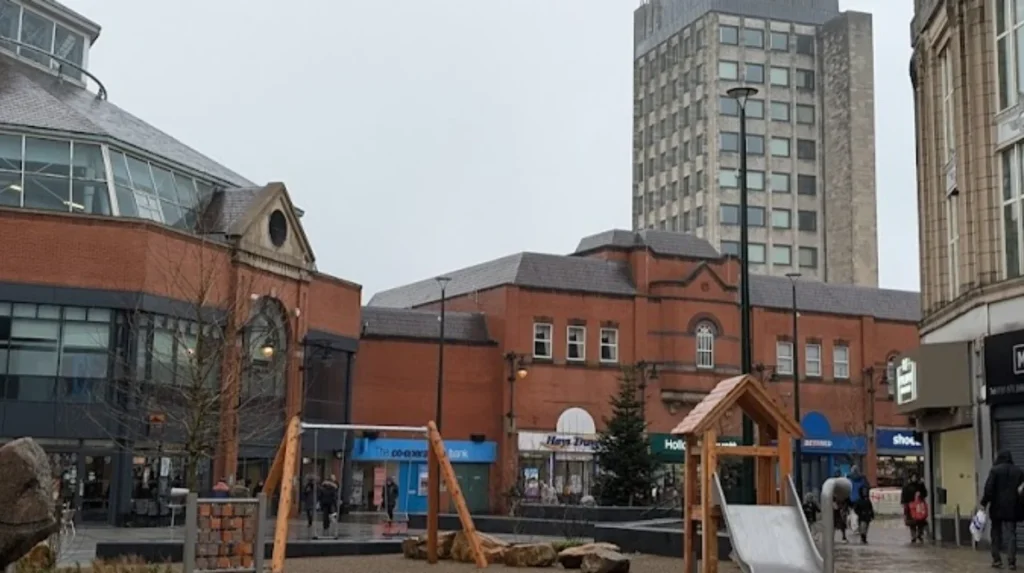
Efforts to save Oldham’s soul are not confined to the main town centre; they also unfold in places like Royton, where the Town Hall and Library have been transformed into a modern civic and community hub. Dating back to 1880, Royton’s Town Hall is a physical reminder of the Victorian civic pride that once animated many of Greater Manchester’s small towns. By restoring it and adapting it for contemporary uses—such as co‑working space, learning facilities, and community meetings—Oldham Council is extending the same conservation‑led ethos beyond the central core.
These local‑level projects demonstrate that saving Oldham’s soul is not a one‑off event but a long‑term mindset. Each refurbished building, each archived collection, and each community‑led campaign contributes to a sense that the town’s identity is being actively stewarded rather than left to drift. For a wider Manchester audience, this offers a model of how smaller boroughs can complement the high‑rise, high‑speed development of the city centre with slower, more grounded, heritage‑aware change.
What “Saving Oldham’s Soul” Means for the Future
For Oldham residents, saving Oldham’s soul ultimately means that regeneration does not feel like displacement. It means being able to walk through a reinvigorated town centre and still recognise the landmarks, stories, and rhythms that made the place feel like home. It also means that new housing, shops, and leisure spaces are not just tentatively “rooted” in the past through a few decorative nods, but are genuinely connected to the town’s history and community networks.
For planners, developers, and policymakers across Greater Manchester, Oldham’s experience offers a practical case study in how heritage‑led regeneration can support both economic and social goals. By combining conservation area management plans, archival preservation, and community‑centred cultural projects, Oldham is showing that regeneration can be a process of “layering” rather than “overwriting.” In doing so, it helps answer a question that many Manchester‑adjacent towns now face: how can you change without losing the essence of who you are? For Oldham, the answer lies in the ongoing effort to save Oldham’s soul, one building, one story, and one community at a time.
What percentage of Oldham is Pakistani?
Around 13–14% of Oldham’s population identifies as Pakistani, making it one of the largest minority ethnic groups in the borough and a key part of the community that shapes Oldham’s culture and identity.
What is the Oldham motto?
The Oldham borough motto is “Sapere Aude,” a Latin phrase meaning “dare to be wise,” which also cleverly echoes the local pronunciation of “Oldham” through the word “Aude.”
What is the nickname for people from Oldham?
People from Oldham are often called “Yonnies” or “Yonners,” a nickname derived from the local dialect word “yon” or “yonner,” meaning “over there” or “yonder.”
What was invented in Oldham?
Oldham did not “invent” a single famous object, but the town became a global leader in cotton‑spinning machinery and mill technology, helping to create some of the most advanced spinning systems in the 19th century. By turning engineering skill into industrial dominance, Oldham effectively helped invent the modern cotton‑spinning capital of the world, shaping the town’s soul as a working‑class, innovation‑driven borough.
Was Oldham bombed in WWII?
Oldham was not a primary target like nearby Manchester or Liverpool, but the borough did experience some air raids and bomb damage during the Second World War, mainly affecting industrial and residential areas.