Gorton, a district in east Manchester, has long embodied the gritty resilience of working-class Britain, yet beneath its surface lies a story of profound hardship. Once powered by the hum of factories and railways, this area now grapples with entrenched deprivation, alarming mental health issues including suicide, and a palpable sense of decline that affects generations of locals. As Manchester booms with regeneration elsewhere, Gorton’s struggles highlight broader inequalities in modern Britain.
Gorton’s Industrial Rise and Fall
Gorton’s transformation from rural hamlet to industrial powerhouse began in earnest during the 19th century, setting the stage for both its prosperity and eventual downfall. Human settlement in the Gore Brook Valley area dates back possibly 5,500 years, with records from 1612-13 marking the tenants’ right to purchase farmland, freeing it from Manchester’s lords. The Industrial Revolution accelerated change dramatically; the opening of the Beyer-Peacock Railway Works in 1855, known as Gorton Foundry, drew thousands of workers, spawning mills, factories, and terraced housing that reshaped the landscape.
This era brought jobs and community spirit, with Gorton supporting 96 men of fighting age by the Civil War’s outbreak in 1642, a number that swelled amid Victorian expansion. The railway works became a cornerstone, employing skilled engineers and fueling Manchester’s role as an industrial giant. Families built lives around these opportunities, fostering tight-knit neighborhoods amid the soot and steam. However, prosperity proved fleeting; post-World War II decline hit hard as global shifts diminished demand for steam locomotives, leading to factory closures and job losses that eroded the area’s economic base.
By the late 20th century, Gorton’s industrial decline mirrored national trends, with unemployment soaring and infrastructure crumbling. The closure of key employers left a void filled by benefit dependency, turning a once-thriving hub into a symbol of deindustrialization’s toll. This historical pivot not only stripped livelihoods but sowed seeds of deprivation that persist today, as empty lots and derelict buildings stand as silent witnesses to lost glory.
Measuring Deprivation in Modern Gorton
Deprivation in Gorton manifests across multiple dimensions, from income poverty to poor living conditions, as evidenced by official indices and local reports. According to the Index of Multiple Deprivation (IMD), Gorton and Denton rank as the 15th most deprived constituency in England, one of the few in Greater Manchester worsening relative to national averages over recent years. Over 65 percent of households fall into at least one IMD category, with nearly half relying on Universal Credit and average weekly earnings languishing at £665—below neighboring areas.
Government data underscores this entrenched poverty, highlighting barriers to housing, education, and health. In Gorton, housing affordability and homelessness top community concerns, with estimates of around 684 people experiencing homelessness, exacerbating instability for vulnerable families. The area’s dim markets and modest stalls reflect economic stagnation, where locals like market traders voice frustrations over housing shortages and perceived prioritization of newcomers.
These metrics reveal a cycle of decline: low incomes limit access to quality education and jobs, perpetuating deprivation. Academic analyses link such patterns to broader Greater Manchester trends, where eastern districts lag behind the city’s regenerated core, underscoring Gorton’s position in England’s most challenged locales.
Gorton’s terraced streets capture the enduring architecture of its industrial past, now shadowed by economic hardship. This image from historical records illustrates the dense housing that housed factory workers.
The Shadow of Suicide in Gorton
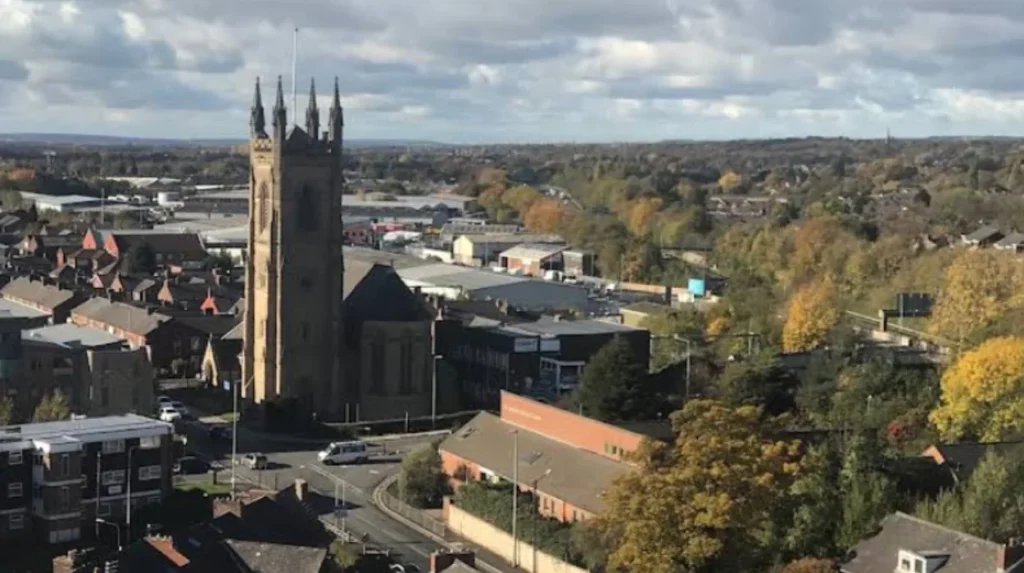
Suicide rates in Greater Manchester, including districts like Gorton, reflect a mental health crisis amplified by deprivation, though specific local figures remain elusive amid broader data. District-level reports indicate Manchester’s suicide rate at 9.3 per 100,000 from 2018-20, slightly below England’s 10.4, yet intentional self-harm persists at concerning levels. The Greater Manchester Suicide Prevention Strategy 2025-2030 notes over 200 annual deaths regionally, targeting reductions amid rising national figures—6,069 in England and Wales in 2023, the highest since 1999.
In Gorton, these statistics intertwine with deprivation; poverty correlates strongly with mental health deterioration, as joblessness and poor housing fuel isolation and despair. Men aged 45-49 and women 50-54 show peak rates regionally, aligning with Gorton’s aging industrial workforce facing redundancy. Ethnic minority backgrounds, prevalent in diverse Gorton, report pooled rates of 12.1 per 100,000, highlighting vulnerabilities in multicultural communities.
Local voices at markets and community spots echo this pain, with residents citing unsustainable pressures like immigration strains and service gaps. While PCN data suggests lower suicide benchmarks, the absence of granular mental health outcomes signals underreporting, urging targeted interventions to break the deprivation-suicide link.
Social Tensions Fueling Decline
Gorton’s decline extends beyond economics into social fabrics strained by rapid demographic shifts and policy shortcomings. Once predominantly Irish—home to Oasis brothers Noel and Liam Gallagher—Longsight nearby reflects Gorton’s evolving diversity, now marked by integration challenges. Residents express dismay over asylum seeker housing priorities, with barbers and traders like James decrying “stop the boats” needs amid local shortages, shifting from Labour support to frustration.
Political currents amplify these tensions; recent by-elections in Gorton and Denton spotlight Labour’s perceived failures, potentially handing seats to Reform amid voter disillusionment. Housing crises dominate, with 63.5 percent identifying affordability as a top issue, far exceeding prior surveys. This breeds resentment, as derelict sites and overcrowded homes symbolize neglect.
Community cohesion frays under these pressures, with markets serving as barometers of discontent—selling basics amid windowless stalls. Yet, resilience persists in local efforts, though systemic decline hinders progress.
Historical Roots of Today’s Crises
Tracing Gorton’s struggles reveals how 19th-century industrialization laid foundations for 21st-century woes. The Gore Brook Valley’s semi-rural charm pre-1855 gave way to urban sprawl, with railways dictating growth. Civil War-era records show a stable populace, but Victorian booms concentrated wealth unevenly, leaving post-industrial voids.
Deprivation indices today echo this legacy; IMD rankings stem from factory closures that gutted skills-based employment. Suicide and mental health spikes trace to disrupted communities, where purpose vanished with jobs. Academic papers on ethnic minorities note higher risks in such contexts, mirroring Gorton’s shifts.
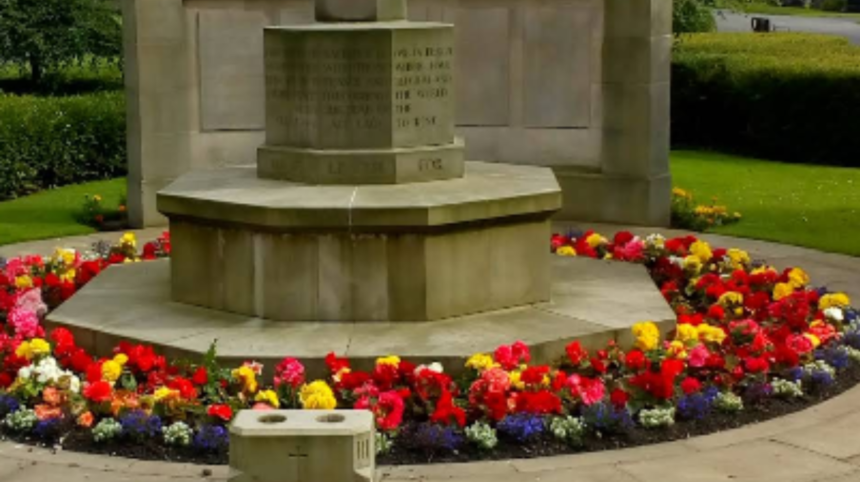
Government conservation efforts around Sunny Brow Park nod to heritage, but without economic revival, history burdens rather than uplifts.
Government Responses and Gaps
Official strategies address Gorton’s issues, yet implementation lags, perpetuating decline. The Greater Manchester Suicide Prevention Strategy aims to slash 200+ yearly deaths through targeted support, focusing on high-risk groups. IMD data drives funding, but Gorton’s 15th ranking yields insufficient local impact.
PCN reports for Gorton and Levenshulme highlight inequalities, advocating better mental health data, though gaps persist. Housing initiatives falter against 684-person homelessness estimates. Political rhetoric in by-elections promises change, but resident skepticism endures.
These efforts provide frameworks, but without addressing root deprivation—like Universal Credit reliance—progress stalls.
The Beyer-Peacock Railway Works epitomizes Gorton’s industrial zenith, whose closure sparked decades of economic decline. Sourced from Wikipedia, this visual underscores the area’s lost manufacturing might.
Community Voices Amid Hardship
Residents’ stories humanize Gorton’s statistics, painting a vivid portrait of daily battles. Traders at Manchester Gorton Market lament housing woes, with one former Labour voter prioritizing immigration controls for sustainability. Salvation Army stocktakes reveal consensus on homelessness, affecting 22.1 percent personally.
These narratives reveal pride amid pain—nostalgia for factory days clashes with modern despair. Mental health shadows loom, as lower district suicides mask self-harm prevalence. Political shifts, like Reform gains, stem from such grassroots anger.
Voices demand action: tougher policies, better services, and revival to reclaim dignity.
Pathways to Renewal

Revitalizing Gorton requires multifaceted strategies blending history, policy, and community. Regeneration could repurpose sites like the old foundry for tech or green jobs, echoing industrial innovation. Suicide prevention demands localized mental health hubs, building on 2025-2030 plans.
Addressing IMD drivers—via skills training and housing—could lift 65 percent affected households. Community-led initiatives, inspired by conservation successes, foster pride. Political accountability, as by-elections highlight, pressures change.
Success hinges on equitable investment, turning hidden struggles into shared triumphs.
Gore Brook Valley’s conservation area preserves Gorton’s ancient roots against urban decay. This Wikipedia image highlights natural resilience amid deprivation challenges.
Long-Term Impacts on Manchester
Gorton’s plight ripples across Manchester, challenging the city’s “northern powerhouse” narrative. As the core regenerates, eastern fringes like Gorton risk permanent divides, with IMD worsening signaling national failures. Suicide trends threaten workforce health, while social tensions strain cohesion.
Yet, addressing these could model inclusive growth, leveraging history for unity. Deprivation indices warn of “broken Britain” previews, urging holistic reform. Manchester’s future depends on uplifting districts like Gorton, ensuring no one is left behind.
Why is family voting illegal
Family voting is illegal because it violates the secret ballot principle, allowing one person to influence or control others’ votes inside the polling booth, undermining individual voter sovereignty. In the UK, this breaches election laws like ballotrecy rules, risking fines or imprisonment, as seen in concerns during Gorton’s recent by-elections amid the area’s decline.
Who does family voting
Family voting often involves male heads of households directing wives, children, or relatives’ choices, disproportionately affecting women and younger voters in tight-knit communities. In Gorton’s deprived context, observers noted such practices at polling stations, highlighting social pressures exacerbating the district’s struggles.
Who owns Democracy Volunteers
Democracy Volunteers Limited is a UK-registered nonprofit (company number 10271424) focused on election observation, with persons with significant control listed via Companies House but no single dominant owner specified publicly. They monitored Gorton and Denton polls, reporting issues like family voting amid the area’s hidden decline.
Is Democracy Volunteers independent
Yes, Democracy Volunteers operates as an independent election observer group, basing reports on OSCE/ODIHR standards without party affiliation, though funded as a private limited company. Their neutral scrutiny of Gorton’s by-elections exposed electoral irregularities tied to deprivation-fueled tensions.
What are the deprived areas of Manchester?
Manchester’s most deprived areas include Gorton North, Openshaw, Harpurhey South, Newton Heath, and Central Stockport, per IMD 2025 data, with Gorton ranking high due to poverty, poor health, and decline. These eastern districts face intertwined struggles like those detailed in Gorton’s story of suicide and deprivation.