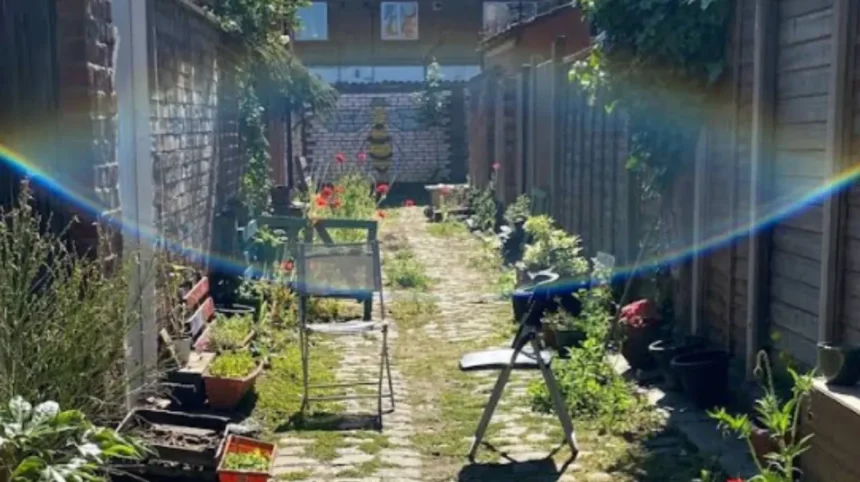
Alleyway greening in Fallowfield represents a quiet revolution in urban renewal, where narrow back passages once overlooked as dingy shortcuts are evolving into vibrant, plant-filled corridors. This approach involves planting greenery, installing planters, and fostering community involvement to enhance these spaces, making them safer, more beautiful, and environmentally friendly. In Fallowfield, a diverse suburb south of Manchester city center, such projects align with broader goals of sustainability and neighborhood improvement, drawing inspiration from local council plans and resident-driven efforts.
- The Unique Character of Fallowfield’s Alleyways
- Historical Context of Urban Greening in Manchester
- Benefits of Alleyway Greening for Communities
- Key Alleyway Greening Projects in Fallowfield
- Step-by-Step Guide to Greening Your Alleyway
- Plant Choices for Fallowfield’s Climate
- Community Involvement and Success Stories
- Challenges and Solutions in Alleyway Projects
- Environmental Impact on Urban Manchester
- Future Prospects for Fallowfield Greening
- Policy Support from Manchester City Council
- Practical Tips for Long-Term Maintenance
Fallowfield’s alleyways, often sandwiched between rows of terraced houses and student accommodations, have long served practical purposes like bin access or quick pedestrian routes. However, recent greening initiatives are shifting their role, turning them into extensions of the community’s green infrastructure. These efforts not only combat urban heat and pollution but also strengthen social bonds, as neighbors collaborate on planting and maintenance. By focusing on evergreen strategies, these projects ensure lasting impact, appealing to residents, visitors, and search engines alike with timeless relevance.
The Unique Character of Fallowfield’s Alleyways
Fallowfield, nestled in Manchester’s vibrant south, boasts a rich tapestry of Victorian terraces, bustling student life around the University of Manchester, and green gems like Platt Fields Park. Its alleyways, known locally as “ginnels” or “entries,” weave through this landscape, connecting streets like Ladybarn Road, Wilmslow Road, and Hart Road. Historically, these passages emerged during the 19th-century industrial boom, providing rear access for workers’ homes built rapidly to house Manchester’s growing population.
Many of Fallowfield’s alleyways remain narrow, paved with worn setts or tarmac, flanked by high brick walls that block sunlight and trap litter. Yet, their potential for greening is immense due to their proximity to everyday life—residents pass them daily, making transformation highly visible and rewarding. Projects here build on the area’s multicultural fabric, with input from students, families, and long-term locals, creating inclusive spaces that reflect Fallowfield’s dynamic community.
This suburban setting amplifies the need for such initiatives. With over 30,000 residents, including a large student demographic, Fallowfield faces typical urban challenges: fly-tipping, anti-social behavior, and limited green space per capita. Greening alleyways addresses these by reclaiming neglected areas, much like successful schemes in nearby Withington and Old Moat, where similar narrow paths have been revitalized.
Historical Context of Urban Greening in Manchester
Manchester’s journey toward greener urban spaces traces back to the Industrial Revolution, when soot-covered factories prompted early park creations like Philips Park in 1846. By the 20th century, post-war reconstruction emphasized functional alleyways, often left utilitarian. The modern greening movement gained momentum in the 1990s with Manchester City Council’s adoption of sustainable development plans, influenced by national policies like the Urban White Paper of 2000.
In Fallowfield specifically, greening ties into ward-level climate action plans. Official documents outline targets such as hosting gardening events and introducing planters along pathways to allotments, signaling a structured commitment to biodiversity. These efforts echo broader UK trends, where alleyway recovery schemes proliferated after the 2010s, supported by grants from organizations like Groundwork Greater Manchester, which funded similar transformations in nearby Gorse Hill.
Academic research underscores this evolution. Studies from the University of Manchester highlight how greening narrow spaces improves air quality and mental health, with pilot projects involving students directly contributing to local sites. This historical pivot from industrial grit to green innovation positions Fallowfield as a microcosm of Manchester’s resilient urban adaptation.
This aerial view of Fallowfield’s residential streets illustrates the network of alleyways ripe for greening, showcasing their integration with parks like Platt Fields.
Benefits of Alleyway Greening for Communities
Greening alleyways in Fallowfield delivers multifaceted benefits, starting with environmental gains. Plants in these confined spaces absorb carbon dioxide, filter pollutants from Wilmslow Road’s traffic, and mitigate the urban heat island effect—crucial in a city where summer temperatures can spike. Research from Manchester City Council notes increased biodiversity, with pollinator-friendly species attracting bees and butterflies to areas previously barren.
Socially, these projects foster community cohesion. Residents in Fallowfield’s Bethnall Drive Estate, for instance, have developed gardens with volunteer support, hosting events that engage school children and families. Such initiatives reduce crime perception by improving lighting and visibility, as seen in “Clean and Green” efforts adding bins and security lights near shops.
Economically, greening enhances property values and local appeal. Well-maintained green alleys make Fallowfield more attractive to students and young professionals, boosting rental demand. Health-wise, they encourage walking and outdoor activity, aligning with NHS recommendations for green exposure to lower stress levels. Overall, these timeless advantages ensure alleyway greening remains a cornerstone of sustainable living.
Key Alleyway Greening Projects in Fallowfield

One standout initiative targets alleyways in Fallowfield, Withington, and Old Moat, aiming to green at least three sites with help from University of Manchester students. Led by community groups via platforms like Neighbourly, the project reuses materials such as wood and paint for planters, emphasizing sustainability and low cost.
Fallowfield Ward Climate Action Plans detail specific actions, including alleyway greening along paths to Brailsford Road Allotments. Targets for 2025/26 include new planters, palettes, and volunteer recruitment for cleaning and planting, extending to Sopwith Community Garden on Bethnall Drive Estate.
Inspired by Gorse Hill’s success—where residents transformed filthy backstreets into oases with £6,000 grants—Fallowfield efforts prioritize school-adjacent alleys for child safety. These projects, often starting small like one resident’s weeding patch, snowball into neighborhood-wide transformations.
Step-by-Step Guide to Greening Your Alleyway
Starting an alleyway greening project in Fallowfield begins with assessment. Survey the space for sunlight, drainage, and permissions—contact Manchester City Council for public alleys, as private ones need neighbor consensus. Clear debris and weeds manually or with council support, creating a clean canvas.
Next, select suitable plants. Opt for shade-tolerant evergreens like ivy or ferns for north-facing walls, and pollinator magnets such as lavender or honeysuckle for sunnier spots. Use raised planters from recycled wood to avoid ground issues, filling with peat-free compost.
Install features like hanging baskets or trellises for vertical greening, maximizing narrow widths. Add solar lights for safety and gravel paths for drainage. Engage the community through events, mirroring Fallowfield’s gardening workshops, to share maintenance duties.
Maintenance involves seasonal pruning and watering, with apps like PlantNet for identification. Monitor progress with before-after photos, applying for grants via Groundwork or council funds to scale up.
Plant Choices for Fallowfield’s Climate
Fallowfield’s temperate climate, with mild winters and wet summers, suits hardy perennials. Climbing roses and clematis thrive on walls, providing year-round color and privacy. Native wildflowers like foxgloves enhance biodiversity, supporting local wildlife corridors to Platt Fields.
For low-maintenance options, evergreen shrubs such as boxwood or hebe offer structure. Drought-tolerant sedums and grasses handle occasional dry spells, while herbs like rosemary add edible elements, appealing to community gardeners.
University-led research favors pollinator mixes, including borage and salvia, proven to boost insect populations in urban alleys. Rotate annuals like nasturtiums for vibrancy, ensuring a balanced, resilient planting scheme.
A close-up of Platt Fields Park greenery represents the lush plant palette ideal for Fallowfield alleyways, highlighting native species used in local greening.
Community Involvement and Success Stories
Community buy-in defines Fallowfield’s greening triumphs. Students from Manchester University assist in planting, bringing expertise from environmental courses, while residents host events at Sopwith Garden, drawing families and volunteers.
A parallel tale from Gorse Hill shows one woman’s alley cleanup sparking a grant-funded overhaul, including school-side planters. In Fallowfield, similar volunteer drives clean Brailsford Road paths, planting trees under the 4700 Trees campaign honoring Sir Gerald Kaufman.
These stories highlight scalability: start solo, rally neighbors, secure funding. Platforms like Neighbourly facilitate crowdfunding, ensuring projects endure through shared ownership.
Challenges and Solutions in Alleyway Projects
Narrow access poses logistical hurdles in Fallowfield, limiting heavy tools. Solution: use lightweight, modular planters transportable by hand. Fly-tipping persists, countered by locked gates and regular cleanups tied to council “Clean and Green” initiatives.
Vandalism risks greenery, mitigated by resilient species and community watches. Budget constraints are eased by reusing materials and grants, as in Withington schemes. Long-term, education via school ties ensures sustained care.
Environmental Impact on Urban Manchester
Alleyway greening measurably cuts Fallowfield’s carbon footprint. Dense planting sequesters CO2, with studies estimating 10-20kg per square meter annually. It cools microclimates, vital near busy roads, and filters PM2.5 particulates.
Biodiversity surges: alleyways link to Platt Fields, creating wildlife highways. Council plans champion this, targeting park enhancements alongside alley projects. Rainwater absorption reduces flooding, a pressing Manchester issue.
Future Prospects for Fallowfield Greening
Looking ahead, Fallowfield’s 2025/26 targets promise expanded events and tree planting. Integration with city-wide goals, like Manchester’s Climate Change Action Plan, could scale projects citywide. Tech like rain gardens may enhance resilience.
Resident-led expansions, inspired by Gorse Hill, position Fallowfield as a model. With ongoing university ties, innovation in vertical farming or smart irrigation looms, ensuring alleyways remain evergreen assets.
Policy Support from Manchester City Council
Manchester City Council’s Fallowfield plans explicitly back greening, with targets for planters and volunteer drives. Broader policies fund via 4700 Trees and urban diggers at Platt Fields Market Garden. Ward profiles track progress, ensuring accountability.
National frameworks like the Environment Act 2021 bolster local efforts, mandating biodiversity net gain. These supports make Fallowfield’s initiatives replicable across Manchester.
Platt Fields Park’s community garden scene captures the collaborative spirit of Fallowfield’s alleyway greening, with volunteers planting amid vibrant foliage.
Practical Tips for Long-Term Maintenance
Sustain alleyway greenery through seasonal schedules: spring planting, summer watering via drip systems, autumn mulching, winter pruning. Apps like GardenTags connect locals for advice.
Involve schools for youth ownership, as per council events. Annual audits prevent overgrowth, preserving accessibility. These habits ensure Fallowfield’s green alleys thrive indefinitely.
Where is Mayfield Park situated?
Mayfield Park is located in the heart of Manchester, next to Piccadilly Station. It’s part of a major regeneration project turning former industrial land into vibrant green public space.
What is the oldest railway station in Manchester?
The oldest railway station in Manchester is Liverpool Road Station, opened in 1830 as part of the historic Liverpool and Manchester Railway.
Who is Thomas Heatherwick?
Thomas Heatherwick is a renowned British designer known for innovative architecture and urban projects that blend nature with modern design.
What stadium did Zaha Hadid design?
Zaha Hadid designed several iconic structures, including the Al Wakrah Stadium for the 2022 FIFA World Cup.
Who owns Trafford?
Trafford is a metropolitan borough in Greater Manchester governed by Trafford Council, responsible for local services and development initiatives.