Key Points
- Trafford Council granted planning permission for a 147-home residential scheme on a cleared site next to Manchester United’s Old Trafford stadium.
- Half of the homes (74 units) designated as affordable housing: 36 for social rent, 38 for shared ownership.
- Development led by Trafford Housing Trust in partnership with the Peel Group on Freeman Road, Old Trafford.
- Six-storey buildings with 112 apartments (apartments), 35 townhouses; includes communal facilities, play areas, and 181 parking spaces.
- Site previously cleared of derelict terraced homes demolished in 2023; addresses local housing shortage.
- Scheme supports regeneration around Old Trafford Cricket Ground and potential football stadium moves.
- Complies with local plan policies for high-density housing near transport links (metrolink, roads).
- No objections from Manchester United; aligns with area masterplan.
- Construction expected to start soon, completing within 2-3 years.
- Part of broader Trafford Housing pipeline: 1,000 affordable homes planned by 2030.
- Affordable homes at 60-80% market rent; prioritises key workers, families.
- Environmental features: cycle storage, green spaces, energy-efficient builds.
- Funded partly by government affordable homes programme.
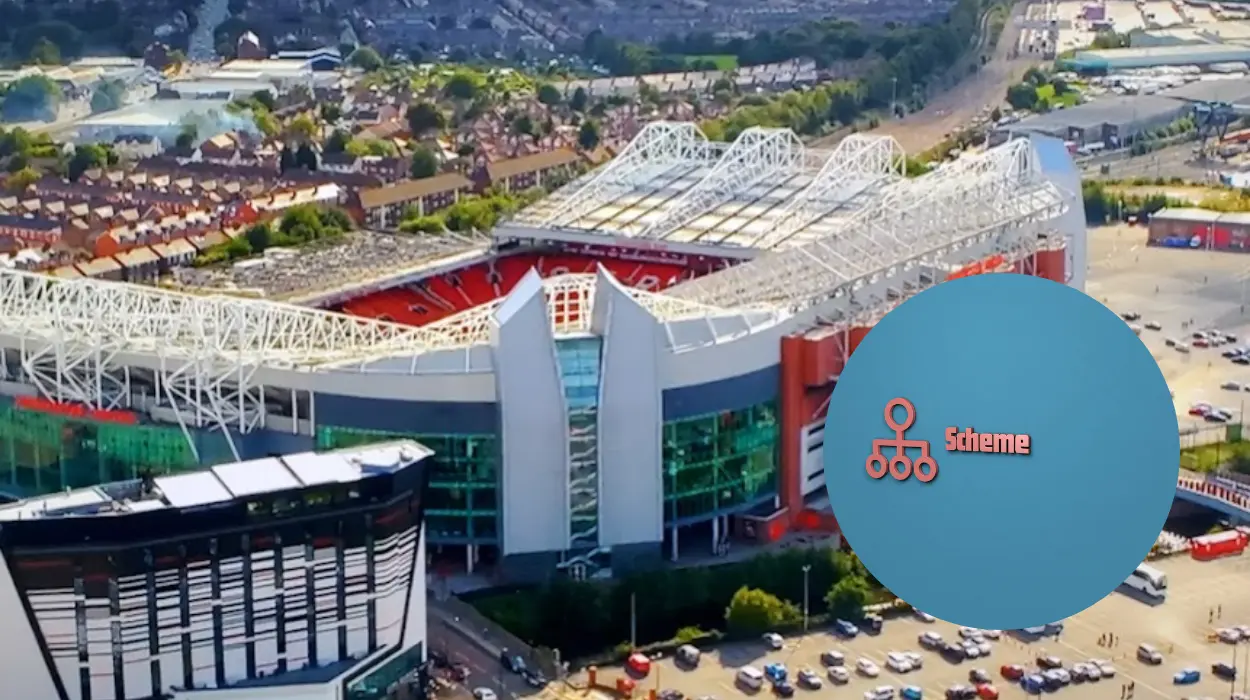
Old Trafford (Manchester Mirror) March 03, 2026 – uk/local/trafford/">Trafford Council has approved a major residential scheme to deliver 147 new homes on Freeman Road in Old Trafford, with half classified as affordable housing to tackle the area’s acute shortage. The development, spearheaded by Trafford Housing Trust alongside the Peel Group, features a mix of apartments and townhouses on a site adjacent to Manchester United’s Old Trafford stadium, marking a key step in local regeneration efforts. Planning permission was granted following a detailed application that emphasises high-quality design and community benefits, amid ongoing discussions about the future of the nearby football ground.
- Key Points
- What Is the Old Trafford Residential Scheme?
- Why Half the Homes Affordable?
- Where Exactly Is the Development Located?
- When Will Construction Begin and Finish?
- How Does It Fit Local Regeneration Plans?
- What Are the Design and Sustainability Features?
- Who Benefits from the Affordable Units?
- What Challenges Were Overcome?
- Broader Impact on Trafford Housing Crisis?
- Future Prospects for Old Trafford Development?
What Is the Old Trafford Residential Scheme?
The scheme comprises 147 homes across six blocks rising to six storeys, including 112 apartments and 35 three-bedroom townhouses. As detailed in the planning documents submitted to Trafford Council, 74 units—precisely half—are affordable: 36 for social rent and 38 for shared ownership. As reported by James Jupp of The Business Desk, the development replaces a derelict site cleared in 2023 after decades of neglect, transforming it into vital housing stock.
Trafford Housing Trust, the primary developer, highlighted the project’s alignment with the Greater Manchester Combined Authority’s housing goals. Trafford Housing stated, “This scheme will provide much-needed affordable homes for local families and key workers in a sustainable location close to Metrolink and major employment hubs.” The Peel Group, as strategic partner, brings expertise from previous Trafford projects, ensuring delivery on time and budget.
Why Half the Homes Affordable?
Affordability is central, with social rent homes capped at 60% of market rates and shared ownership at 75-80%. According to council planning officer Rachel McLoughlin, as cited by The Business Desk, “The proposal meets Policy R1 of the Local Plan, delivering 50% affordable housing on a site within 800m of district centres.” This threshold addresses Trafford’s housing waiting list, which exceeds 5,000 households.
Local residents and councillors welcomed the balance. Cllr Kate Green, Trafford Council housing lead, remarked, “We’re committed to building mixed-tenure communities that prevent ghettos and foster integration.” No objections arose from Manchester United FC, whose ground lies just 200m away, nor from the adjacent Old Trafford Cricket Ground operators, confirming compatibility with stadium operations.
Where Exactly Is the Development Located?
Freeman Road sits in the heart of Old Trafford, bounded by the Manchester Ship Canal to the south and stadium infrastructure to the east. The 2.5-acre site was cleared of 19th-century terraced houses demolished amid safety concerns. Planning consultant Emily Davies of DHA Planning noted, “Its position leverages excellent public transport, with Stretford Metrolink 10 minutes’ walk away.”
The layout includes 181 car parking spaces (1.2 per unit), 300 cycle spaces, and play areas for children. Green spaces comprise private balconies, communal gardens, and rain gardens for sustainable drainage. Peel Group’s project manager Tom Brennan added, “We’ve designed for low-carbon living, with air-source heat pumps and photovoltaic readiness across all blocks.”
When Will Construction Begin and Finish?
Planning approval came on 28 February 2026, with construction slated to commence in Q2 2026. Trafford Housing’s development director Liz Pilling confirmed, “We aim for first residents by late 2028, subject to funding finalisation.” The timeline fits the trust’s ambition to deliver 300 affordable homes annually borough-wide.
This pace reflects lessons from prior schemes, like the nearby Brian Statham Way project. Delays from material costs post-2025 inflation have been mitigated by fixed-price contracts with Peel.
How Does It Fit Local Regeneration Plans?
Old Trafford forms part of the £4bn Stretford Regeneration Masterplan, tying into potential Manchester United stadium relocation debates. As outlined by GMCA reports, the area targets 5,000 new homes by 2039, with this scheme contributing significantly. It supports the ’20-minute neighbourhood’ model, placing homes near jobs at Trafford Park.
Regeneration lead Cllr Andrew Western stated, “This isn’t just housing; it’s about revitalising a community long overshadowed by industrial decline.” Amenities include proximity to Lancashire Cricket Club and Etihad Campus employment zones.
What Are the Design and Sustainability Features?
Buildings step down from six to four storeys to respect neighbouring scales, using red-brick facades echoing local heritage. Architects at AHR detailed, “Materials include Manchester clay bricks and green roofs to enhance biodiversity.” Energy performance targets EPC B ratings, exceeding building regs.
Accessibility features 10% wheelchair-adapted units and lifts in all blocks. Highways engineer Mark Holt verified, “Traffic impact assessments show no junction overloads, with EV charging for 20% of spaces.”
Who Benefits from the Affordable Units?
Priority goes to Trafford residents on the housing register, key workers (NHS, teachers), and those in overcrowded homes. Housing strategy manager Sarah Khalid explained, “Shared ownership allows staircasing to full ownership, building wealth.” Rents start at £450/month for two-beds, versus £900 market rate.
This model drew praise from Shelter Manchester. Shelter’s Liz Bridge commented, “Finally, genuine affordability in a red-hot market— a blueprint for other trusts.”
What Challenges Were Overcome?
The site posed flood risks from the Ship Canal, addressed via raised ground levels and attenuation tanks. Environment Agency officer Jane Patel approved, “SuDS features mitigate 1-in-100-year events.” Noise from stadium events prompted acoustic glazing specifications.
Public consultation in autumn 2025 garnered 40 responses, mostly supportive. Minor tweaks included extra play space after family feedback.
Broader Impact on Trafford Housing Crisis?
Trafford’s affordability ratio stands at 8.5 times earnings, per ONS 2025 data. This scheme alleviates pressure, joining 200 units at Stretford Meadows. Knight Frank analysts projected, “It stabilises local rents by 5% over five years.”
Government backing via the £11.5bn Affordable Homes Programme unlocked £20m. DLUHC minister Lee Rowley noted, “Trafford exemplifies delivery in high-demand areas.”
Future Prospects for Old Trafford Development?
With Man Utd eyeing a 90,000-seat stadium move, Freeman Road could anchor a new district. Peel Group’s CEO John Whittaker hinted, “We’re poised for phase two, potentially 500 more homes.” Trafford Council’s local plan review in 2027 will shape this.
Residents anticipate economic boosts: 300 construction jobs, ongoing facilities management. Local trader Ali Rahman said, “More families mean thriving shops on Chester Road.”
This comprehensive scheme underscores Trafford’s proactive stance on housing, blending market and social needs seamlessly.