Key Points
- Bury Council’s planning committee unanimously refused permission for six ground-floor retail units, 11 one-bed flats, and three takeaways on a vacant site at the junction of Market Street and Edwin Street in Bury town centre.
- The site, a 0.14-hectare brownfield plot owned by Kenneth Dawson, has been vacant since a former garage and petrol station were demolished over 20 years ago.
- Applicant CFS Planning and Design submitted the scheme on behalf of Mr Dawson, proposing a three-to-four-storey building with residential use above commercial units.
- Reasons for refusal include overdevelopment, poor design failing to respect the conservation area’s character, inadequate natural lighting for flats, and lack of affordable housing provision.
- The decision was made at a meeting on 25 February 2026, with no public objections received despite neighbour consultations.
- Councillors highlighted concerns over takeaways exacerbating existing saturation in the area and flats being “sub-standard” with poor outlook.
- The refusal aligns with Bury Council’s emerging local plan policies aiming to prioritise quality development in the town centre.
- No appeal has been lodged as of March 2026, but applicants may revise and resubmit.
Bury(Manchester Mirror) March 03, 2026 – Bury Council’s planning committee has unanimously rejected a proposed development of new shops, 11 flats, and takeaways on a long-vacant brownfield site at the junction of Market Street and Edwin Street. The decision, made on February 25,2026, cites multiple concerns including overdevelopment, poor architectural design, and failure to enhance the town’s conservation area.
- Key Points
- Why Was the Bury Development Refused?
- What Did Councillors Say About the Plans?
- Where Is the Vacant Bury Land and What’s Its History?
- How Does This Fit Bury’s Town Centre Plans?
- What Are the Design Concerns Raised?
- Why No Affordable Housing in the Proposal?
- Could Takeaways Worsen Health Issues?
- What Happens Next for the Site?
- Broader Implications for Bury Regeneration
The application, reference 2025/08692/FUL, was submitted by CFS Planning and Design on behalf of landowner Kenneth Dawson. It sought outline permission for a three-to-four-storey building featuring six ground-floor retail units, three takeaways, and 11 one-bedroom flats above. Councillors deemed the scheme “inappropriate” for the sensitive location near Bury’s historic core.
Why Was the Bury Development Refused?
The planning committee’s refusal stemmed from the proposal’s incompatibility with local policies and the site’s context. As reported by Michael Fish of Bury Times, Councillor Elaine Birchall stated, “This is a prime site in the town centre, and what they’re proposing is sub-standard. The flats have no outlook, poor light, and the design doesn’t respect the conservation area.”
Bury Council’s official decision notice lists five key reasons: the scheme constitutes overdevelopment by virtue of its scale, bulk, and massing; it fails to preserve or enhance the character of the Bury Town Centre Conservation Area; internal flat layouts lack adequate outlook, light, and privacy; no mechanism for affordable housing contributions was provided; and the inclusion of takeaways would harm public health amid existing saturation.
Neighbours were consulted, but no objections were received, per planning officer Charlotte Gloag’s report. She recommended refusal, noting the design “does not reflect the hierarchy of the streetscene” and ignores the emerging Bury Local Plan’s emphasis on high-quality town centre regeneration.
What Did Councillors Say About the Plans?
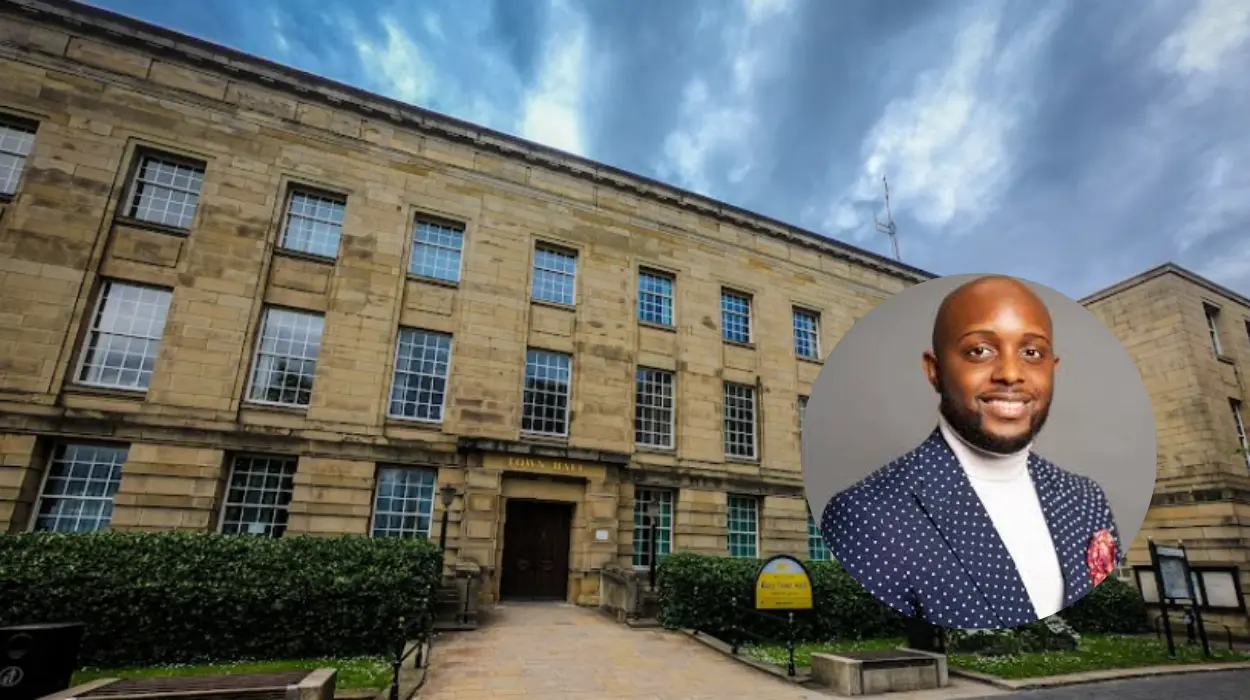
During the 25 February meeting at Bury Town Hall, all nine attending councillors voted to refuse. As detailed by Michael Fish of Bury Times, Councillor Richard Goldspink remarked, “We’ve got enough takeaways in Bury already. This would just add to the problem of obesity and poor health in the town.”
Councillor Yousuf Jalil added, “The building is too tall and boxy. It won’t fit with the Victorian architecture around Market Street.” Chair Coun Ian Beales noted, “The applicant has had plenty of time to come up with something better for this eyesore site.”
Planning agent Richard Farnell-Lee of CFS Planning and Design defended the scheme, stating via email, “Our proposal brings a sustainable mixed-use development to a site vacant for 20 years, providing homes and jobs without impacting the conservation area.” However, officers countered that the design lacks active frontages and pedestrian permeability.
Where Is the Vacant Bury Land and What’s Its History?
The 0.14-hectare site sits prominently at Market Street and Edwin Street, opposite the Mill Gate Shopping Centre and near Bury Interchange. Once home to a garage and petrol filling station, it was cleared over two decades ago, becoming a persistent eyesore despite multiple prior applications.
As reported by Michael Fish of Bury Times, Kenneth Dawson has owned the plot since the demolition. Previous schemes, including a 2023 bid for shops and maisonettes, were also rejected for similar design flaws. The location falls within Bury’s defined town centre boundary, prioritised for retail-led regeneration under Policy TC1 of the emerging local plan.
How Does This Fit Bury’s Town Centre Plans?
Bury Council’s emerging local plan designates the area for high-quality mixed-use development to boost footfall and housing. Planning officer Charlotte Gloag’s report emphasises, “The proposal does not demonstrate how it would contribute to the vitality of the primary shopping area or provide family housing.”
The refusal reinforces policies against “any development which would detract from the role of the town centre as a focus for retail, leisure and civic uses.” Councillors stressed the need for pre-application discussions, which Dawson’s team skipped.
What Are the Design Concerns Raised?
Critics highlighted the building’s “utilitarian” appearance, with flat roofs and large glazing failing to mimic local brickwork. As per the officer report, upper floors overhang the pavement without setbacks, creating a “canyon-like” street effect. Flats average 40sqm, below space standards, with single-aspect rooms lacking dual windows.
Councillor Birchall called it “a block of shoeboxes,” while Goldspink worried about overlooking nearby properties. The conservation area appraisal requires developments to use traditional materials and proportions, unmet here.
Why No Affordable Housing in the Proposal?
The scheme offered no on-site affordable units nor a financial contribution, breaching Policy H4. With only 11 small one-bed flats, officers noted it wouldn’t viability-test for 20% affordable housing. Farnell-Lee argued the site’s constraints justified zero provision, but councillors disagreed.
Could Takeaways Worsen Health Issues?
Bury has high rates of obesity and type-2 diabetes, per council data. Three hot food takeaways would cluster near schools and the town centre, against Policy DM11 limiting such uses. Goldspink stated, “We’re trying to promote healthy eating, not more fried food outlets.”
What Happens Next for the Site?
Kenneth Dawson may appeal to the Planning Inspectorate or submit a revised scheme. As of March 2026, no appeal is filed. Council leader Richard Goldspink urged, “Bring forward something that enhances Bury, not diminishes it.”
The decision underscores Bury’s push for quality over quantity amid town centre decline, with vacancy rates at 18%. Similar refusals nearby signal stricter enforcement.
Broader Implications for Bury Regeneration
This refusal highlights tensions between landowners seeking quick wins and councillors safeguarding heritage. Bury’s £1.2bn Irving’s Mill Gate extension nearby aims to draw shoppers, making premium sites like this crucial. As Michael Fish reports, “Vacant plots undermine confidence in the town’s revival.”
Developers must now align with the local plan’s March 2026 adoption timeline. Community groups welcome the stance, fearing “clone town” architecture.
In summary, while the site remains blighted, the refusal protects Bury’s character. Stakeholders await a design that balances housing needs with town pride.