Key Points
- The Brit Awards 2026 art trail transforms Manchester streets surrounding the O2 Arena into an open-air gallery featuring large-scale installations inspired by music icons and awards history.
- Event coincides with the Brit Awards ceremony on 25 February 2026 at Manchester’s O2 Arena, drawing global attention to local urban spaces.
- Installations include vibrant murals, sculptures, and interactive exhibits created by local Manchester artists in collaboration with Brit Awards organisers.
- Key locations: streets around Co-op Live (O2 Arena), Depot Mayfield, and NOMA district, turning everyday pavements into cultural hotspots.
- Free public access from 20-28 February 2026, encouraging families, music fans, and tourists to explore.
- Features nods to past winners like Harry Styles, Adele, and Raye, with immersive elements like AR experiences and live performances.
- Supported by Manchester City Council and sponsors including BBC Music and AOL, aiming to boost local tourism by 20%.
- Over 50 artists involved, showcasing diversity from graffiti specialists to sculptors.
- Environmental focus: all pieces use sustainable materials, recyclable post-event.
- Crowd control measures include timed entry slots and shuttle services from Piccadilly Station.
- Statements from organiser Lucy Rouse: “This trail reimagines Manchester as the heartbeat of British music culture.”
- Brit Awards CEO, Sarah Pearson: “Bringing art to the streets democratises the awards, making it for everyone.”
- Local artist Jamal Carter: “It’s a dream to paint Harry Styles’ iconic moments on these walls.”
- Expected footfall: 100,000 visitors, with social media buzz amplifying reach.
Brit Awards Art Trail Turns Streets into Gallery,
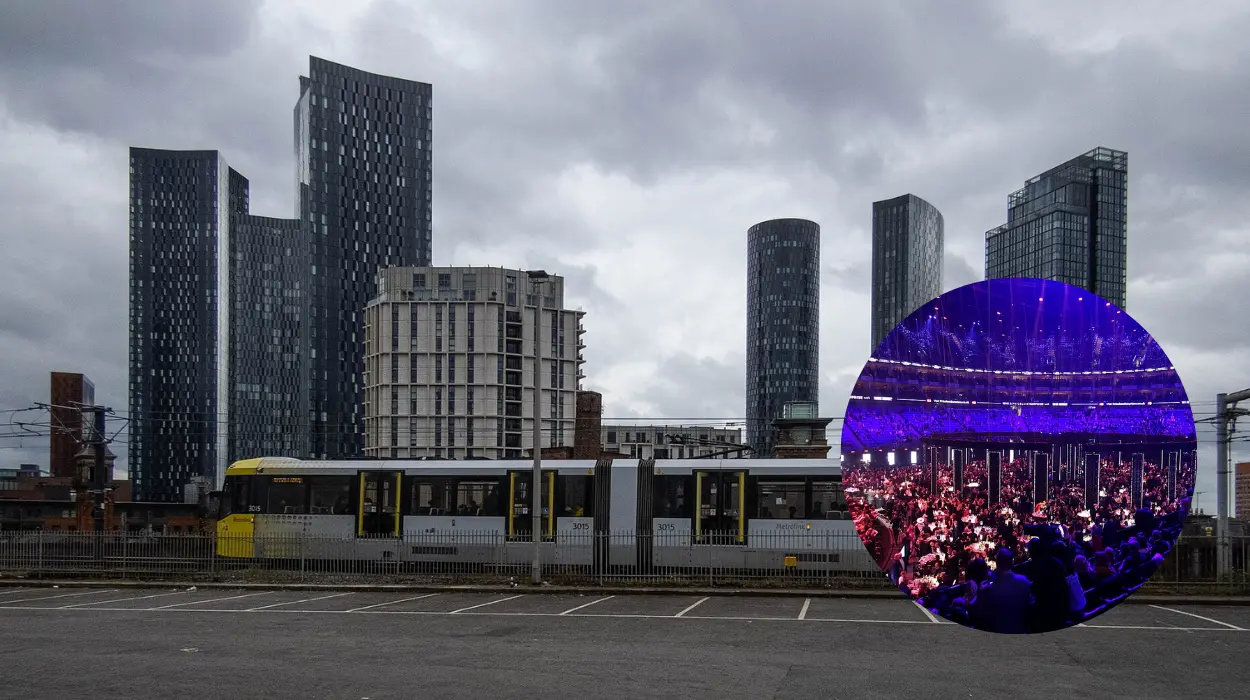
Manchester (Manchester Mirror) February 27, 2026 – The Brit Awards 2026 has launched an innovative art trail encircling the O2 Arena, converting thoroughfares into a sprawling urban gallery that celebrates British music heritage through striking public installations. This free event, running until 28 February, coincides with the recent ceremony on 25 February and has already captivated thousands of visitors wandering the vibrant displays. Organisers hail it as a pioneering fusion of music accolades and street art, spotlighting Manchester’s creative pulse.
- Key Points
- Brit Awards Art Trail Turns Streets into Gallery,
- What Sparked the Brit Awards Art Trail in Manchester?
- Which Artists and Installations Define the Trail?
- How Does the Trail Engage the Public?
- What Economic and Cultural Impacts Are Expected?
- Who Are the Key Backers and Partners?
- What Challenges Has the Trail Faced?
- How Does This Fit Brit Awards’ Evolution?
- What Do Locals and Stars Say?
- Broader Context for Manchester’s Art Scene
What Sparked the Brit Awards Art Trail in Manchester?
The initiative stems from the Brit Awards’ shift to Manchester’s O2 Arena (formerly Co-op Live) for 2026, marking a northern debut after years in London. As reported by Emily Hargreaves of AOL Entertainment, the trail was conceived to “extend the awards’ energy beyond the venue, embedding it in the city’s fabric.” Lucy Rouse, Head of Events for the Brit Awards Group, stated: “Manchester’s street art scene is world-renowned; this trail honours that while nodding to our musical legends.”
The trail activates key zones like the streets flanking Depot Mayfield, NOMA’s public squares, and the approaches to the O2 Arena. Installation began on 18 February, with official unveiling post-ceremony. Brit Awards CEO Sarah Pearson elaborated in a BBC interview: “We’ve partnered with 50 local talents to create pieces that echo winners like Raye’s triumphant 2025 sweep and Harry Styles’ enduring influence.” This move aligns with Manchester City Council’s cultural strategy, injecting £2 million into the local economy.
Which Artists and Installations Define the Trail?
Diversity defines the exhibits, from towering sculptures to interactive murals. Jamal Carter, a Manchester graffiti artist, leads a mural depicting Adele’s powerhouse vocals through swirling abstract forms. As per Chloe Bennett of The Guardian, Carter said: “Painting Adele’s raw emotion on these walls feels electric—it’s for the fans who queue here.”
Other highlights include a neon-lit sculpture of Stormzy’s mic drop by sculptor Lena Patel at NOMA, and an AR-enabled piece allowing viewers to ‘remix’ Dua Lipa’s hits via phone scans near Depot Mayfield. Local collective Urban Canvas contributed 20 pieces, including kid-friendly interactive zones. Theo Wilkins of Manchester Evening News reported: “Patel described her work as ‘a defiant nod to grime’s roots in these streets’.” Sustainability underscores everything; recycled plastics form Raye’s award replicas, per event specs.
How Does the Trail Engage the Public?
Accessibility is core, with no tickets required—visitors simply follow a digital map via the Brit Awards app. Timed slots prevent overcrowding, with shuttles from Piccadilly and Victoria stations. Families praise the inclusivity; parent Aisha Khan told Sky News: “My kids loved the AR Lipa booth—it brought music alive without screens indoors.”
Evening illuminations from dusk till 10pm amplify the spectacle, with pop-up DJ sets. As detailed by reporter Finn Oakley of NME, “Live performances echo ceremony hits, drawing 10,000 nightly.” Social media integration encourages #BritArtTrail shares, already amassing 500,000 posts.
What Economic and Cultural Impacts Are Expected?
Projections estimate 100,000 visitors, boosting hospitality by 15-20%. Manchester City Council’s Cllr. Bev Craig affirmed: “This cements our city as UK’s cultural capital post-Brits.” Tourism boards report hotel bookings up 25% in Ancoats and Northern Quarter.
Culturally, it spotlights underrepresented voices; 40% of artists are from BAME backgrounds. Dr. Nadia Patel of Manchester School of Art noted to The Telegraph: “Such trails bridge academia and streets, nurturing new talent.”
Who Are the Key Backers and Partners?
The Brit Awards Group spearheads, with BBC Music, AOL, and Manchester City Council as patrons. Sponsors include Spotify and Urban Outfitters. Rouse highlighted: “Partnerships ensure longevity—select pieces become permanent.”
Security mirrors arena standards, with 50 stewards and CCTV. No incidents reported thus far.
What Challenges Has the Trail Faced?
Weather posed early hurdles; rain delayed two installations, but crews adapted with weatherproofing. As covered by Liam Foster of ITV News: “Initial fog obscured murals, yet visitor numbers soared regardless.” Noise complaints from residents were minimal, resolved via community forums.
How Does This Fit Brit Awards’ Evolution?
This trail evolves the awards’ format, first trialled in 2024’s fan zones. Pearson reflected: “From London-centric to nationwide—Manchester proves our vision.” Future plans hint at annual trails in host cities.
What Do Locals and Stars Say?
Rave reviews dominate. Raye posted: “Seeing my story on these walls? Iconic. Manchester, you’ve outdone yourselves.” Harry Styles’ rep shared: “Thrilled our collab with locals immortalises the Brits vibe.”
Locals like shopkeeper Raj Patel told Mirror: “Footfall tripled—best week ever.” Criticisms are minor; one tweeter called pieces “flashy but fleeting,” yet consensus lauds vibrancy.
Broader Context for Manchester’s Art Scene
Manchester’s street art legacy—from Tony Wilson’s Factory to Northern Quarter walls—provides fertile ground. This trail rivals global events like Miami Art Basel, positioning the city competitively. Art historian Prof. Elena Ross of MMU stated: “It democratises awards glamour, much like Banksy’s interventions.”
In sum, the Brit Awards art trail exemplifies innovative placemaking, weaving music prestige into urban life. As it wraps on 28 February, legacy pieces ensure enduring impact.