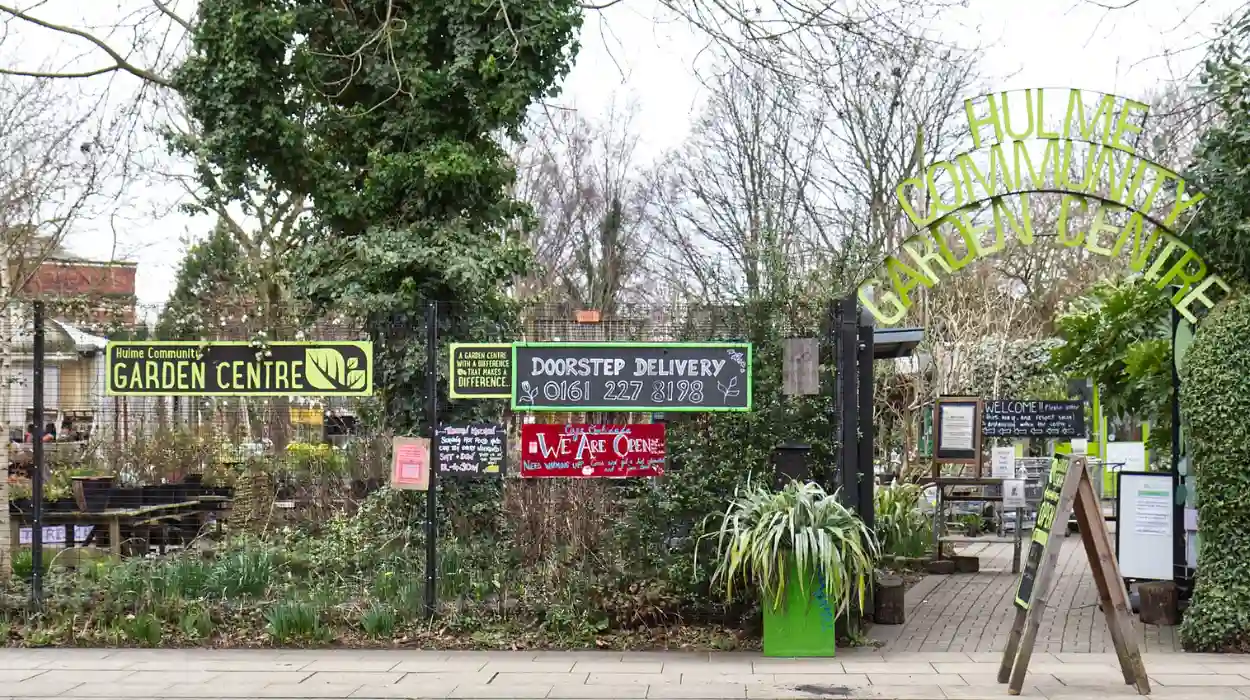
Hulme Community Gardens stand as a testament to grassroots resilience in Manchester’s vibrant urban landscape. This evergreen haven has flourished for over two decades, transforming wasteland into a thriving space for nature, connection, and sustainability.
- The Origins of Hulme Community Gardens
- A Legacy Rooted in Regeneration
- Transforming Wasteland into Wonderland
- Community Impact and Social Benefits
- Environmental Contributions and Sustainability Practices
- Events, Education, and Engagement
- Plants, Produce, and Practical Gardening Tips
- Challenges Overcome and Future Vision
- Why Hulme Community Gardens Matters Today
The Origins of Hulme Community Gardens
Nestled along Old Birley Street in Hulme, the Hulme Community Garden Centre emerged from the ashes of urban decay in the late 1990s. Following Manchester City Council’s demolition of the notorious Hulme Crescents—high-rise estates plagued by social issues—local residents sought to reclaim the scarred brownfield site for something positive and enduring. In 1998, four visionary locals—Richard Lockwood, Geraldine Wall, Andrew Stewart, and Neil Francis—came together with a simple yet powerful idea: create a community garden centre to foster green spaces absent from the broader regeneration plans.
The centre officially opened its doors in April 2000, opposite the innovative Homes for Change housing co-operative, turning a former car park and scrubland into a beacon of hope. This initiative was not just about planting seeds; it embodied a collective response to decades of economic decline, poor housing, and limited access to nature in one of Manchester’s most deprived wards. From its inception, the garden centre prioritized healthy living through gardening and sustainable food production, aligning with Hulme’s multicultural ethos and the area’s growing emphasis on community-led renewal.
Today, Richard Lockwood remains one of the few original founders involved, carrying forward the ethos of sustainability and well-being that defined the project from day one. The garden’s early years were marked by determination, as volunteers cleared debris and nurtured the first plants, laying the foundation for what would become a vital community asset.
A Legacy Rooted in Regeneration
Hulme’s transformation in the 1990s set the stage for the garden centre’s success, but it was the community’s initiative that truly greened the narrative. The demolition of the Crescents, while controversial, opened opportunities for innovative projects like this one, filling a gap in public green spaces that official regeneration efforts overlooked. By 2000, the site had evolved into a welcoming hub where residents could cultivate plants, learn environmental stewardship, and build lasting friendships.
Over the years, the Hulme Community Garden Centre has mirrored Manchester’s evolution from industrial grit to creative resurgence. It has weathered economic shifts, pandemics, and urban pressures, remaining the only garden centre in northwest England to operate continuously during COVID-19 lockdowns. This resilience underscores its role as more than a garden—it’s a living symbol of how local action can drive lasting change in post-industrial neighborhoods.
In 2014, the centre celebrated Manchester’s status as the UK’s first nuclear-free city by growing ginkgo tree seedlings, a nod to peace and environmental advocacy. Crowdfunding efforts in 2015 raised £15,000, enabling expansions that enhanced its capacity to serve thousands annually. These milestones highlight a trajectory of growth, where community spirit turns challenges into opportunities for collective flourishing.
Transforming Wasteland into Wonderland

The physical evolution of Hulme Community Gardens tells a story of meticulous care and bold vision. Starting on contaminated brownfield land, volunteers methodically remediated the soil, introduced native plants, and designed pathways that invite exploration. What began as a modest plot has expanded into a flourishing public green space, complete with polytunnels, composting areas, and wildlife-friendly features that support local biodiversity.
Key to this transformation has been the emphasis on sustainability. The centre promotes organic growing practices, rainwater harvesting, and permaculture principles, educating visitors on reducing their environmental footprint. Polytunnels protect tender crops year-round, while outdoor beds burst with vegetables, herbs, and flowers that supply both the centre’s plant sales and community allotments. This hands-on approach has turned a forgotten corner of Hulme into a sanctuary for people and pollinators alike, proving that urban gardens can thrive amid concrete surroundings.
Architecturally, the site blends functionality with beauty: wooden benches overlook ponds teeming with life, and shaded arbors provide respite on warm days. Expansions funded by grants and donations have added educational spaces, making it a hub for school groups and families to connect with nature. The garden’s design encourages lingering, fostering conversations that strengthen neighborhood bonds in an era of increasing isolation.
Community Impact and Social Benefits
Hulme Community Gardens has profoundly shaped local lives, serving over 10,000 visitors each year and becoming a cornerstone of social cohesion. For residents in this diverse area—home to African Caribbean care groups, arts hubs like Z-arts, and organic co-operatives like Manchester Veg People—the centre offers more than plants; it provides purpose and belonging.
Programs target vulnerable groups, including mental health initiatives where gardening reduces stress and builds confidence. Participants report improved well-being from the therapeutic rhythm of weeding and harvesting, aligning with research on nature’s role in urban mental health. Youth workshops introduce children to sustainable food growing, combating food insecurity while instilling environmental values from a young age.
During the pandemic, the centre’s steadfast operation delivered fresh produce and social support when other services faltered, highlighting its role as a community lifeline. Events like seasonal markets and volunteer days draw crowds from across Manchester, weaving the garden into the city’s cultural fabric. This inclusive ethos ensures Hulme Community Gardens remains a model for how green spaces can address social challenges like poverty and loneliness.
Environmental Contributions and Sustainability Practices
At its core, Hulme Community Gardens champions ecological stewardship in an urban setting. By converting polluted land into a productive ecosystem, it demonstrates brownfield regeneration’s potential, enriching soil with compost and companion planting to restore fertility. Native wildflowers attract bees and butterflies, creating corridors for wildlife in a densely built environment.
Sustainable food growing lies at the heart of operations, with raised beds yielding organic vegetables distributed through community schemes. Techniques like no-dig gardening preserve soil health, while solar panels and water butts minimize resource use. The centre’s plant nursery sells eco-friendly varieties, educating customers on low-water plants suited to Manchester’s climate.
Broader environmental advocacy includes tree-planting drives and biodiversity monitoring, contributing to Greater Manchester’s green agenda. As climate pressures mount, these practices offer timeless lessons in resilience, positioning the garden as a blueprint for city-wide sustainability.
Events, Education, and Engagement

Hulme Community Gardens buzzes with activity designed to engage all ages. Annual celebrations, such as its 25th anniversary in 2025, feature live music, workshops, and feasts from homegrown produce, drawing crowds to Old Birley Street. Seasonal events like apple days and Halloween trails blend fun with learning, encouraging repeat visits.
Educational programs partner with schools and groups, offering hands-on sessions in composting, pest control, and harvesting. Project Manager Gianetta Grainger emphasizes the garden’s dual role: “It’s a place where people grow as much as the plants.” Volunteer opportunities abound, from propagation to event staffing, building skills and networks.
These initiatives extend the garden’s reach, inspiring similar projects across Manchester. By prioritizing accessibility—free entry, affordable plants, and inclusive programming—it ensures broad participation, cementing its status as a community powerhouse.
Plants, Produce, and Practical Gardening Tips
The nursery at Hulme Community Gardens stocks a diverse range of plants, from hardy perennials to exotic edibles, all chosen for urban adaptability. Visitors find vegetable seedlings, herbs like rosemary and thyme, and pollinator-friendly blooms that thrive in pots or beds. Community allotments allow plots for personal growing, with advice on crop rotation to maximize yields.
Practical tips from the centre include mulching to retain moisture in Manchester’s rainy weather and intercropping to deter pests naturally. For beginners, starting with easy-grow options like potatoes or kale builds success, gradually expanding to fruit bushes. These evergreen strategies empower residents to green their own spaces, extending the garden’s influence homeward.
Sales support operations, offering compost, tools, and bird feeders alongside plants, making sustainability accessible and affordable.
Challenges Overcome and Future Vision
No journey is without hurdles; Hulme Community Gardens has faced funding shortages, weather extremes, and urban encroachment. Early reliance on volunteers gave way to strategic grants, while crowdfunding solidified expansions. Balancing budgets amid rising costs remains key, as Manager Rachel Summerscales noted in interviews about community hubs.
Looking ahead, plans include more wildlife habitats, expanded education, and tech integrations like app-based booking for allotments. As Hulme evolves, the garden envisions deeper ties with local government for city-wide greening, ensuring its legacy endures.
Why Hulme Community Gardens Matters Today
In Manchester’s fast-changing landscape, Hulme Community Gardens endures as an evergreen symbol of hope and harmony. It proves that community-driven green spaces can heal land, hearts, and neighborhoods, offering lessons for cities worldwide. Whether you’re a local seeking solace or a visitor discovering Manchester’s hidden gems, this corner of Hulme invites you to dig in and grow alongside it.