Traveling from Manchester to Altrincham offers residents and visitors a blend of historic rail heritage and modern bus services that form the backbone of Greater Manchester’s public transport network. The Metrolink Altrincham Line, originally a railway dating back to the 19th century, provides a swift tram service, while an extensive bus network complements it with flexible routes across urban and suburban areas. This guide explores both systems in detail, highlighting their evolution, operations, and practical use for everyday commuters and explorers alike.
- Historical Evolution of Metrolink Altrincham Line
- Key Stops and Route Details
- Metrolink Operations and Timetables
- The Role of Buses in Altrincham Connectivity
- Comparing Buses and Metrolink Speeds and Costs
- Fares, Tickets, and Payment Methods
- Accessibility Features for All Travelers
- Integration at Altrincham Interchange
- Weekday and Weekend Schedules
- Recent Developments and Future Prospects
- Travel Tips for Efficient Journeys
- Environmental Impact and Sustainability
- Economic Boost from Reliable Transport
- Safety Measures and Passenger Advice
Understanding these options helps in planning seamless journeys, reducing reliance on cars, and navigating the region’s growing transport infrastructure effectively. Whether heading to Altrincham’s market town charm or connecting through Manchester city center, buses and Metrolink deliver reliable access.
Historical Evolution of Metrolink Altrincham Line
The Altrincham Line’s story begins with the Manchester, South Junction and Altrincham Railway, established in 1849 as one of Britain’s early suburban rail lines, connecting Manchester London Road (now Piccadilly) to Altrincham via a dedicated route. This 8-mile stretch served passengers for over 140 years, evolving from steam to electric trains by 1931, when the line was electrified at 1,500 V DC, a rarity among British suburban routes that underscored its pioneering status.
In the late 1980s, amid Greater Manchester’s transport challenges, planners eyed underused rail branches for light rail conversion to revitalize urban mobility. Selected alongside the Bury Line, the Altrincham route underwent transformation between 1991 and 1992, stripping heavy rail infrastructure for tram compatibility while retaining its dedicated alignment for speed and safety. The line officially joined Metrolink on June 15, 1992, marking a pivotal moment as trams rolled from G-Mex (now Deansgate-Castlefield) to Altrincham, linking it to Manchester’s emerging street-running network.
This conversion preserved the line’s gradient-free profile and historic stations like Navigation Road, blending Victorian engineering with contemporary light rail efficiency. Over decades, extensions and upgrades, including Cornbrook interchange in 1999, have cemented its role as a commuter staple, carrying millions annually without the disruptions of full rail closures.
Key Stops and Route Details
The Metrolink Altrincham Line spans approximately 12 kilometers from Manchester city center to Altrincham, featuring 15 stops that weave through Salford, Trafford, and into Cheshire’s borderlands. Starting at Piccadilly or Cornbrook, trams glide past landmarks like Old Trafford before reaching suburban hubs such as Stretford and Sale, culminating at Altrincham Interchange where rail, bus, and tram converge seamlessly.
Notable stops include Firswood, introduced post-conversion to boost local access, and Timperley, serving residential areas with easy park-and-ride options. The route’s double-track design allows bi-directional travel, with trams accelerating to 50 mph on reserved sections, slashing journey times to under 30 minutes from Manchester to Altrincham during peaks.
Integration at Altrincham station, a Grade II listed building from 1881, exemplifies multimodal design, where passengers switch effortlessly between Metrolink, Northern Rail services to Chester, and local buses. This connectivity transforms Altrincham from a quiet endpoint into a vibrant gateway for broader regional exploration.
Metrolink Operations and Timetables
Metrolink operates the Altrincham Line with M5000 trams, low-floor vehicles introduced from 2009 that enhance accessibility for wheelchairs and prams across its 50-stop network. Frequencies peak at every 6 minutes during rush hours, easing to 12 minutes off-peak, ensuring dependable service seven days a week from early morning until late evening.
Journey times remain consistent at 25-35 minutes end-to-end, influenced minimally by traffic due to the mostly off-street alignment, though city center sections share space with pedestrians and vehicles. Real-time updates via the official app or TfGM website allow commuters to track trams precisely, factoring in occasional engineering works that rarely exceed weekends.
Fares follow Greater Manchester’s zonal system, with single tickets from £2.40 (Piccadilly to Altrincham) and day passes at £8.50 offering unlimited travel across buses, trams, and trains. Contactless payment and mobile ticketing streamline boarding, promoting cashless efficiency.
The Role of Buses in Altrincham Connectivity
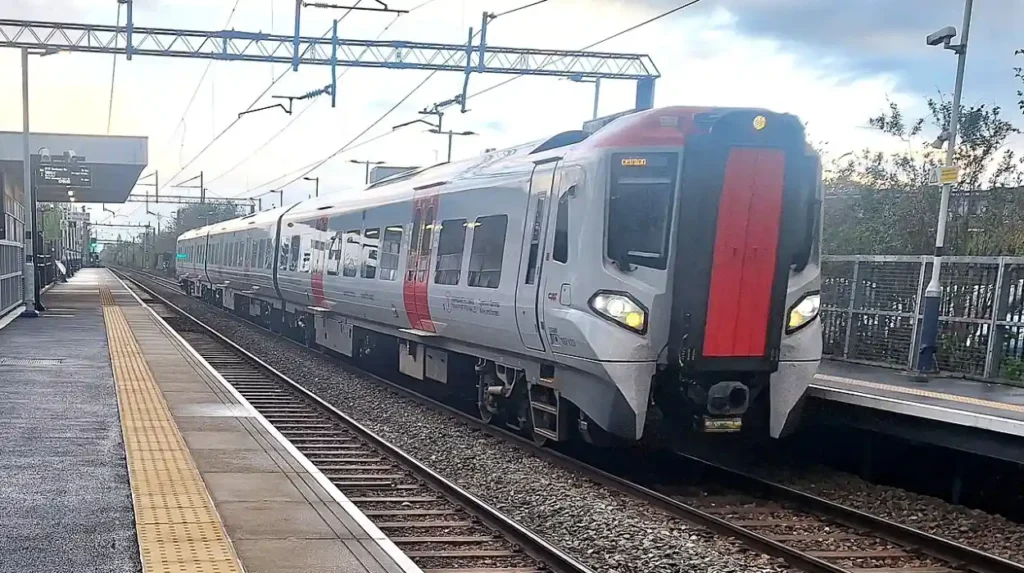
Buses fill gaps left by Metrolink, providing door-to-door service across Altrincham’s leafy suburbs and into Manchester’s diverse neighborhoods. Operated primarily by Stagecoach and Go North West under Transport for Greater Manchester (TfGM), key routes like the 15, 41, and 263 link Altrincham Interchange directly to Manchester Shudehill or Piccadilly, mirroring Metrolink paths but with more stops for local access.
These double-decker services, many low-emission Euro VI compliant, run every 10-15 minutes in peaks, extending to evenings and weekends for shift workers and nightlife. Route 245, for instance, hugs the Ship Canal through Stretford, offering scenic views absent on trams, while night buses like 43N maintain links past midnight.
TfGM’s Bee Network integration promises unified ticketing by 2026, aligning bus liveries and apps for a cohesive experience. Electric bus trials in Trafford highlight sustainability efforts, reducing emissions on high-traffic corridors.
Comparing Buses and Metrolink Speeds and Costs
Metrolink excels in speed and reliability, clocking 20-25 mph averages on its guided path, versus buses’ 12-15 mph amid urban congestion. A Piccadilly-Altrincham tram takes 28 minutes reliably, while buses like the 41 stretch to 45-60 minutes depending on traffic, making trams ideal for time-sensitive travel.
Cost-wise, both leverage the same £4.60 peak single fare under System One, but Metrolink’s myticket app discounts reach £3.20 off-peak, edging ahead for frequent users. Buses win flexibility, stopping at supermarkets like Asda in Sale or Timperley Metrolink, where trams bypass such conveniences.
Capacity differs too: trams seat 60+ with standing room for 150, handling surges better than 40-seat buses during events at Old Trafford. Reliability stats show Metrolink at 98% on-time versus buses’ 85%, though apps mitigate delays effectively.
Fares, Tickets, and Payment Methods
Navigating fares requires grasping Greater Manchester’s zonal structure, dividing the region into bands where Altrincham falls in Zone 4 from Manchester’s Zone 1 core. Singles start at £2.40 for short hops, scaling to £5.20 cross-zone, with capping on pay-as-you-go ensuring day travel under £10.
Options abound: contactless bank cards tap on/off for automatic calculation, plus paper tickets from machines at interchanges. Weekly passes at £25.50 cover unlimited rides, suiting commuters, while under-22s and seniors access discounted igo cards loaded via app.
TfGM’s emphasis on inclusivity includes free travel for companions of disabled pass holders and trial tap-free zones on select buses. Always validate tickets to avoid £80 fines, a rule enforced network-wide.
Accessibility Features for All Travelers
Both systems prioritize universal access, with Metrolink’s level boarding at every stop eliminating stairs for wheelchairs, unlike some older bus designs. Priority seating, audio announcements, and high-contrast liveries aid visually impaired users, while deaf-friendly screens display next stops.
Buses feature跪式 ramps and designated spaces, mandated since 2020, with 90% of the fleet compliant. Altrincham Interchange boasts tactile paving, lifts, and quiet zones, easing journeys for families with buggies or those with mobility aids.
TfGM’s accessibility charter commits to 100% compliance by 2027, including audio bus bells and real-time signage, ensuring Altrincham routes serve diverse needs from students to elderly residents.
Integration at Altrincham Interchange
Altrincham Interchange stands as a transport nexus, rebuilt in 2024 with £10 million investment to fuse Metrolink platforms, Northern Rail bays, and 20 bus stands under one roof. This hub slashes wait times, with digital totems showing multimodal departures and live CCTV for safety.
From here, seamless transfers abound: step off a tram onto the Chester train in 2 minutes or board the 285 to Warrington without exiting. Cycle parking and e-bike chargers cater to multimodal trips, boosting last-mile connectivity.
The interchange’s design draws 500,000 passengers monthly, revitalizing Altrincham’s economy through retail pods and EV charging, positioning it as Greater Manchester’s model for integrated hubs.
Weekday and Weekend Schedules
Weekday Metrolink runs 5:30 AM to 12:30 AM, with 6-minute peaks from 7-9 AM and 4-6 PM, ideal for office commutes to Manchester’s Spinningfields. Buses mirror this, with 41 services from 5 AM, intensifying during school runs.
Weekends extend to 1 AM on Fridays/Saturdays, with hourly night buses like N41 filling gaps. Event boosts for Manchester United matches add trams every 3 minutes, while bank holidays maintain core frequencies.
Planning via TfGM’s journey planner accounts for these patterns, suggesting hybrids like bus to Sale then Metrolink for off-peak savings.
Recent Developments and Future Prospects
Recent upgrades include platform extensions at Sale for longer trams by 2025, boosting capacity 20%, and signaling enhancements cutting headways to 3 minutes. TfGM’s £1.4 billion investment eyes fleet electrification fully by 2030.
Bus rapid transit pilots on A56 parallel routes test dedicated lanes, potentially rivaling Metrolink speeds. Altrincham’s Bee Network phase promises operator unification, streamlining apps and branding.
Long-term, extensions to Stockport via new tracks could loop Altrincham into an orbital network, enhancing resilience against city center disruptions.
Travel Tips for Efficient Journeys
Board early at outer stops to snag seats, especially inbound mornings, and use the rear of trams for quicker alighting. Download TfGM Go app for live maps, avoiding paper timetables prone to changes.
Combine modes smartly: bus to Timperley then tram shaves 10 minutes versus full bus. Pack light for standing peaks, and check engineering alerts weekly, as weekend works reroute via replacement buses.
For groups, dayriders at £12/person beat multiples, and cycle trams accommodate bikes off-peak. Weather-proof with covered waits at key stops like Navigation Road.
Environmental Impact and Sustainability
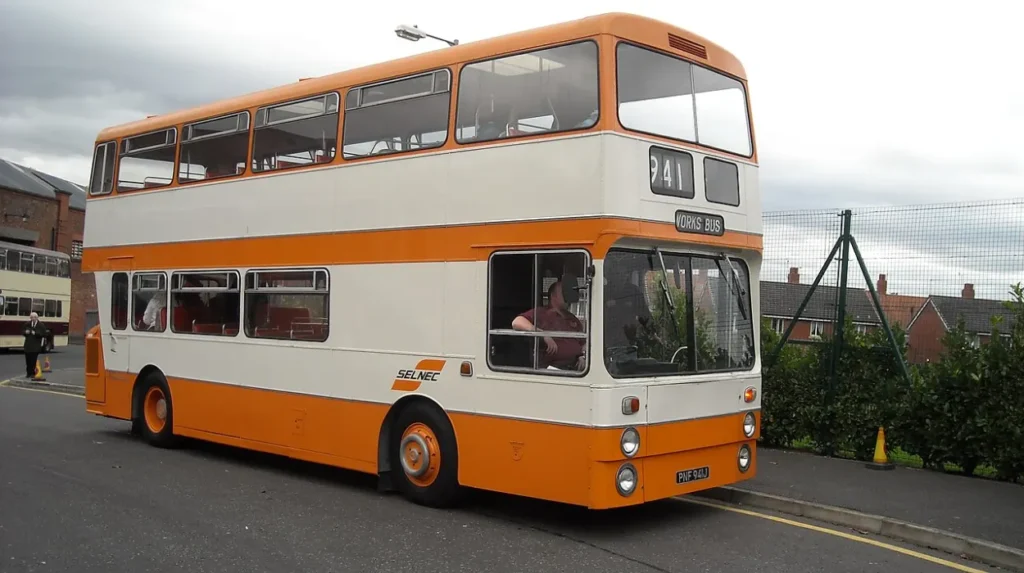
Metrolink’s electric trams emit zero tailpipe pollution, saving 50,000 tonnes CO2 yearly across the network, with regenerative braking recapturing 30% energy. Buses transition to hybrids, targeting 50% zero-emission by 2026.
TfGM’s green initiatives include tree-lined routes and solar-powered stops, aligning with Greater Manchester’s carbon-neutral 2038 goal. Passenger shifts from cars cut congestion, freeing roads for deliveries.
Solar canopies at Altrincham charge e-buses, pioneering circular energy use that powers overnight fleets.
Economic Boost from Reliable Transport
Enhanced connectivity fuels Altrincham’s revival, with footfall up 15% post-interchange revamp, benefiting independent shops and the historic market. Commuters access Manchester jobs faster, supporting 10,000 local roles.
Property values near stops rose 12% since 2020, attracting young professionals, while tourism swells via easy links to Dunham Massey deer park. Businesses leverage freight-free public transport for staff retention.
The network’s punctuality drives £500 million annual economic activity, proving investment in buses and Metrolink yields lasting growth.
Safety Measures and Passenger Advice
TfGM enforces CCTV on all vehicles, with 24/7 monitoring and panic buttons linking to control rooms. Anti-social behavior campaigns and staff patrols ensure safe evenings.
Passengers should stand behind yellow lines on curves, report issues via text 81157, and avoid headphones drowning announcements. Lost property reunites 80% items within days.
Lighting upgrades and female-only carriages during peaks enhance confidence, with stats showing incidents down 20% yearly.