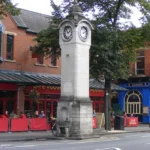
Altrincham Interchange serves as a vital gateway for commuters and visitors in Greater Manchester, blending rail, Metrolink tram, and bus services into one efficient hub. Its strategic location enhances connectivity across Trafford and beyond, making access straightforward for daily travelers.
Historical Evolution of Access
The story of Altrincham Interchange access begins in the Victorian era, when the Manchester, South Junction and Altrincham Railway opened the original station in 1881 as Altrincham and Bowdon railway station. This heavy rail line provided essential links to Manchester, evolving over decades with electrification in the 1930s that improved speed and reliability for passengers approaching from the city center. By 1974, it simplified to Altrincham railway station, reflecting growing regional integration under British Rail.
Access during this period relied on basic pedestrian paths from nearby streets like Stamford Road and local horse-drawn omnibuses, which gave way to early motor buses as automobile use rose in the mid-20th century. The introduction of Sectorisation in the 1980s under Regional Railways marked a shift toward coordinated public transport, though physical access remained modest until Metrolink trams arrived in June 1992, repurposing former electric train platforms for light rail. This change necessitated minor adjustments to tram-stop alignments, easing entry from surrounding urban paths.
A transformative £19 million redevelopment launched in mid-2013 revolutionized access entirely, completing with the new bus station’s official opening on December 7, 2014. This project integrated all modes under one canopy, introducing step-free platforms, wide concourses, and direct links to Altrincham town center, addressing long-standing barriers for wheelchair users and families with prams. Historical records from local heritage sources highlight how earlier access points, such as entries from Ashley Road and Spring Road, influenced the modern layout’s emphasis on multi-modal flow.
Modern Infrastructure and Facilities
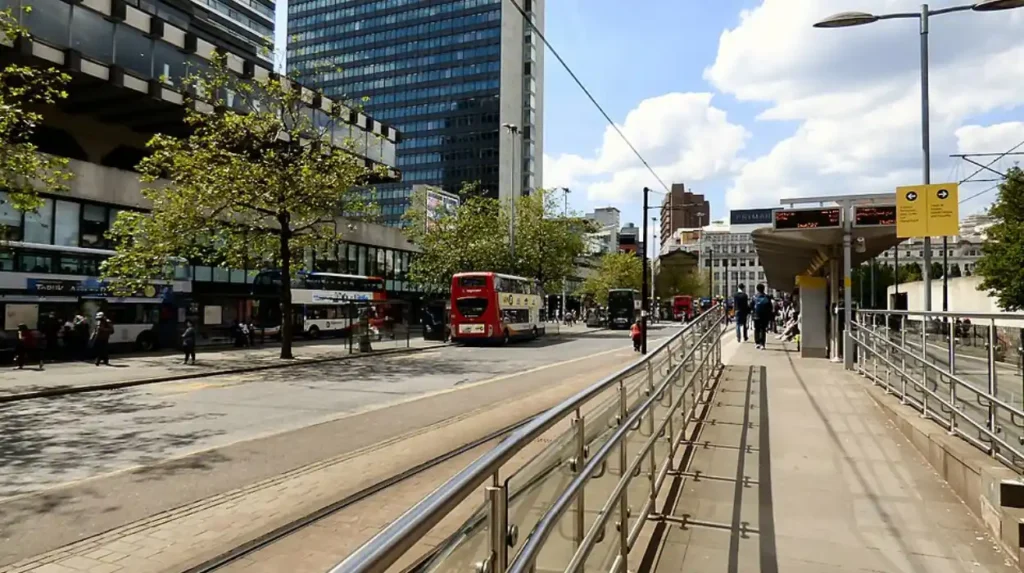
Today’s Altrincham Interchange boasts state-of-the-art infrastructure designed for seamless access, handling around four million passengers annually. The fully enclosed bus station features 12 stands with real-time digital displays, while the rail platforms connect to Chester, Manchester Piccadilly via Stockport, and beyond to Wigan Wallgate and Southport. Metrolink trams provide frequent services to Manchester city center every six minutes at peak times, all accessible via level entry from the main concourse.
Key facilities include lifts to all platforms, tactile paving for the visually impaired, and secure cycle parking for over 100 bikes, promoting sustainable access options. Security measures like CCTV coverage and improved lighting enhance safety, particularly during evening hours when access from quieter residential approaches matters most. The interchange’s design as a “gateway to Trafford” incorporates weather-protected waiting areas and clear signage in multiple languages, catering to diverse visitors exploring Altrincham’s market town vibrancy.
Integration with local amenities stands out, with direct covered walkways to the nearby Altrincham Market House and Dunham Massey deer park trailheads, encouraging leisure access alongside commuting. Electric vehicle charging points installed post-redevelopment further modernize car-based arrivals, aligning with Greater Manchester’s green transport goals. These elements ensure the interchange functions not just as a transit point but as an accessible hub embedded in the community’s daily rhythm.
Pedestrian Access Routes
Reaching Altrincham Interchange on foot offers the most direct and health-conscious approach, with multiple paved routes converging from Altrincham’s core. The primary pedestrian entrance fronts Stamford Road (A56), just a five-minute walk from the town center’s George Street, featuring wide pavements and zebra crossings equipped with push-button signals for priority over traffic. This route suits arrivals from the bustling market area, where historic cobbled streets transition smoothly to modern asphalt paths lined with shops.
From the residential east, Spring Road provides a quieter secondary access, passing through green spaces with dropped kerbs every 50 meters to accommodate mobility aids. The pathway widens to 3 meters near the station, reducing congestion during rush hours when commuters stream in from nearby estates. Historical maps indicate this entry evolved from 19th-century rail worker paths, now enhanced with LED lighting for safe dusk arrivals.
Northern approaches via Peel Avenue and Ashley Road offer elevated views over the tracks, descending via gentle ramps to the main doors—no steps required since the 2014 upgrades. These routes integrate with the Transpennine Trail, appealing to walkers combining hikes with public transport. Overall, pedestrian access prioritizes inclusivity, with audio announcements at crossings and benches spaced for rest, making the interchange welcoming for all ages and abilities.
Cycling and Micromobility Pathways
Cyclists find Altrincham Interchange exceptionally accommodating, thanks to dedicated infrastructure that links into Greater Manchester’s cycling network. Secure Sheffield stands and bike racks cluster near the main entrance on Stamford New Road, accommodating over 100 bicycles with CCTV monitoring to deter theft. The Sustrans Route 62 (Transpennine Trail) feeds directly into the site from Dunham Massey, offering traffic-free paths through wooded areas before merging onto shared-use pavements.
Access from central Altrincham involves quiet backstreets like Broadheath, where 20mph zones and advanced stop lines at junctions prioritize bikes over cars. E-bike charging stations, added in 2020, cater to longer journeys, while micromobility options like e-scooters dock within 100 meters via the local rental scheme. These pathways feature smooth tarmac, wide berth markings, and frequent bike lane signage, ensuring confident navigation even for novices.
Post-redevelopment, contraflow lanes on one-way streets like Chapel Walks enable clockwise circuits around the interchange, slashing access time from the south. Integration with Bee Network cycle hire points nearby further boosts usability, turning the hub into a launchpad for eco-friendly explorations of the Cheshire countryside. This setup not only eases daily commutes but fosters a shift toward active travel in the region.
Driving and Parking Directions
Drivers accessing Altrincham Interchange benefit from well-signed approaches via the A56 from Manchester or A6144 from Sale, with sat-nav postcode WA14 1PZ guiding to the multi-storey car park entrance off Stamford Road. This 250-space facility, redeveloped in 2014, offers height clearance up to 2.1 meters and charges £2 for all-day parking on weekdays, rising to £3 on match days at nearby Moss Lane stadium. Electric charging bays number 10, supporting longer stays.
From the M56 (Junction 7), the 10-minute drive follows brown tourist signs past Altrincham Retail Park, avoiding town center congestion via a dedicated slip road to the interchange underpass. Drop-off zones line the bus forecourt, with five-minute limits enforced by wardens, while blue badge holders access reserved spots adjacent to lifts. Traffic calming measures, including speed humps on approach roads, enhance safety for merging with bus traffic.
Peak-hour access requires timing to dodge school-run queues on nearby Lloyd Street, but real-time apps like TfGM provide live congestion maps. The layout funnels vehicles efficiently to exits onto the A56, minimizing backups and integrating with Park & Ride schemes from Wythenshawe. This car-friendly design balances private motorists with public transport emphasis, ensuring smooth arrivals amid growing usage.
Public Transport Connections
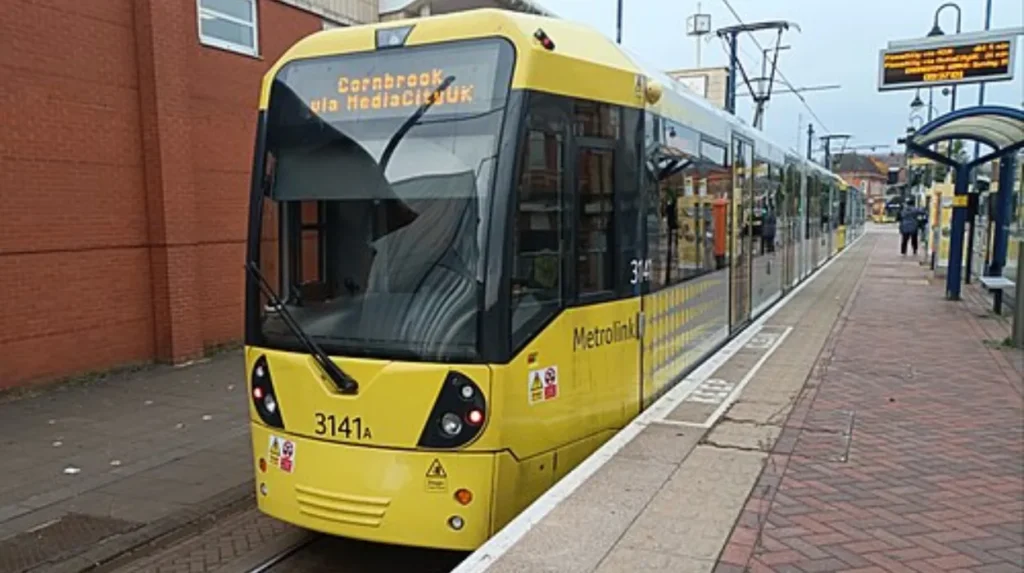
Altrincham Interchange excels in knitting bus, tram, and train services into effortless transfers, defining its role as a multi-modal nexus. Transport for Greater Manchester (TfGM) buses on routes 15, 41, 84, and 263 arrive at dedicated stands, with sheltered waits and next-stop screens updating every 30 seconds. Connections to Manchester Airport run hourly via the 370 service, just two platforms from Metrolink trams.
Trains to Chester depart half-hourly from Platform 3, with through services to Manchester Piccadilly restored since December 2008, eliminating earlier changeovers. Metrolink’s Altrincham line whisks passengers to Piccadilly in 35 minutes, platforms aligned for 20-second walks between modes. Timetables synchronize at peaks, advertising seamless links on tickets valid across operators.
Regional buses extend to Stockport and Warrington, while night services like the 43N maintain late access. TfGM’s Bee Network app unifies tickering, allowing contactless payments anywhere on-site. This connectivity transforms the interchange into a springboard for day trips to the Peak District or city events, sustaining its evergreen appeal for locals and tourists alike.
Accessibility for All Users
Universal access defines Altrincham Interchange’s post-2013 ethos, with full compliance to UK standards via step-free access across all levels. Lifts with braille controls and emergency intercoms serve every platform, operational 5am to 1am daily, while hearing loops at ticket machines assist those with impairments. Wide automatic doors (1.5m clearance) and 2m concourse widths prevent bottlenecks for larger groups.
Family-friendly touches include pushchair-friendly gates, baby-changing facilities in gender-neutral pods, and staffed help points 24/7. Mobility scooters park free in designated zones, with ramps pitched at 1:20 for ease. Visual announcements in British Sign Language play on screens, complementing audio for neurodiverse travelers.
The design draws from government accessibility charters, incorporating anti-slip flooring and color-contrasted edges for dementia-friendly navigation. Annual audits by Trafford Council ensure ongoing improvements, like 2024’s expanded quiet zones. This commitment makes the interchange a model for inclusive public spaces, accessible regardless of ability or circumstance.
Future Developments and Sustainability
Ongoing enhancements promise to elevate Altrincham Interchange access further, with TfGM’s 2026 Bee Network expansion adding two extra bus stands and solar panels across the roof. Hydrogen bus trials slated for 2027 will cut emissions at stands, while AI-driven traffic signals optimize approach flows from the A56. These upgrades build on the 2013 masterplan’s legacy, targeting net-zero operations by 2038.
Sustainability weaves into access via tree-lined cycle superhighways extending to Timperley and expanded EV infrastructure aiming for 50 chargers. Community consultations shaped these plans, prioritizing pedestrian realms over car dominance. Digital twins modeled crowd flows, ensuring future-proof scalability as Trafford’s population swells.
Long-term visions link to HS2 spurs, potentially slashing Manchester access to 15 minutes, though current focus remains on local resilience. Rainwater harvesting and green roofs already mitigate flooding on access roads, exemplifying adaptive design. These evolutions secure the interchange’s role as an enduring transport cornerstone.
Local Impact and Visitor Tips
Altrincham Interchange access profoundly shapes local life, funneling economic vitality into the town center through 24/7 connectivity. Shoppers alight trams steps from artisan markets, boosting footfall by 20% post-redevelopment, while commuters shave 10 minutes off Manchester journeys. Heritage trails start here, drawing 500,000 visitors yearly to nearby Stamford Quarter.
For visitors, arrive 10 minutes early for unfamiliar transfers, using TfGM’s journey planner for real-time tweaks. Weekday peaks (8-9am, 5-6pm) fill platforms, so off-peak trams offer breathing room. Combine with Altrincham TSB for cashless ticketing, avoiding queues. Weatherproof gear suits exposed walkways, though most paths shelter under canopies.
Insider tip: Platform 1’s cafe serves locally roasted coffee with track views, ideal for pre-journey waits. Events like the annual Food Festival spike usage, so book parking ahead. This hub not only facilitates movement but enriches Manchester Mirror readers’ exploration of Trafford’s hidden gems.