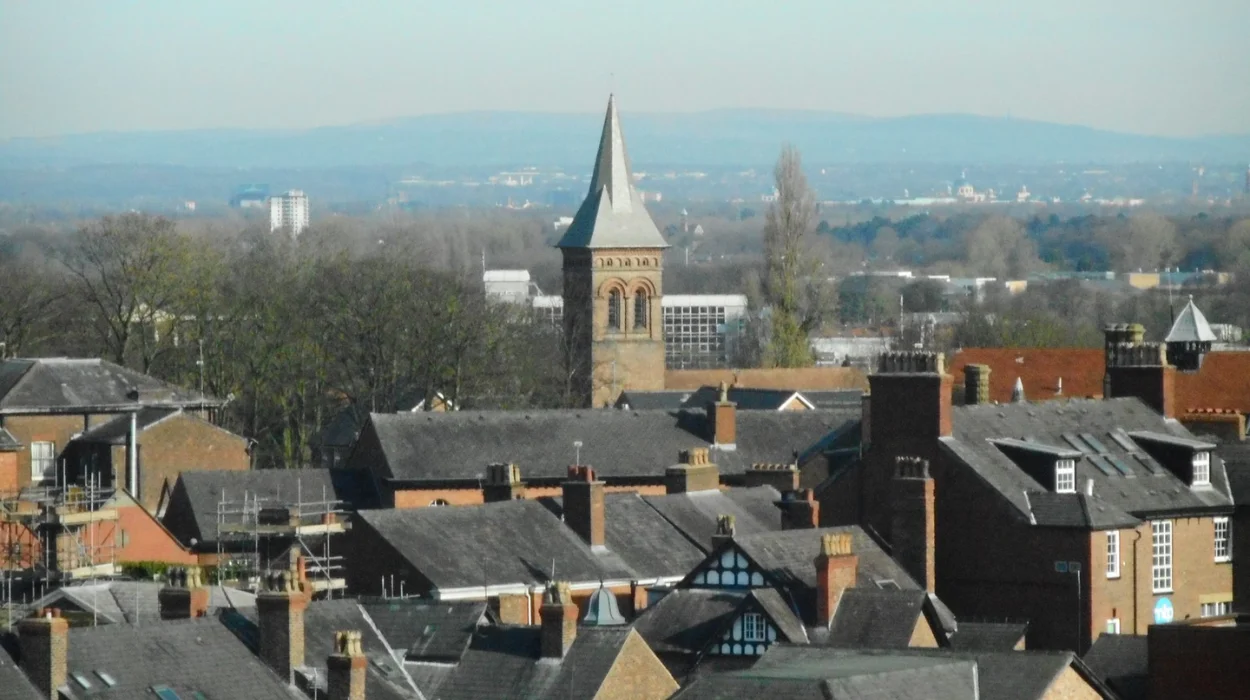
Planning disputes in Altrincham have shaped the town’s character for centuries, balancing growth with preservation in this historic Greater Manchester suburb. As a bustling market town with roots dating back to medieval times, Altrincham often finds itself at the crossroads of development ambitions and community concerns. These conflicts highlight the tension between modern housing needs and safeguarding heritage, green spaces, and local infrastructure.
- Historical Roots of Planning Conflicts
- Notable Recent Planning Disputes
- Common Triggers for Disputes
- The Role of Conservation Areas
- Community Involvement and Objection Processes
- Trafford Council’s Decision-Making Process
- Legal and Policy Foundations
- Impacts on Altrincham Residents
- Strategies for Successful Resolutions
- Future Outlook for Planning in Altrincham
- The Modern Planning Framework in Altrincham
- The Role of Conservation Areas
- Community Involvement and Objection Processes
- Trafford Council’s Decision-Making Process
- Legal and Policy Foundations
- Impacts on Altrincham Residents
- Strategies for Successful Resolutions
- Future Outlook for Planning in Altrincham
Historical Roots of Planning Conflicts
Altrincham’s planning story begins with its evolution from a medieval market hub granted charter rights in 1290, where land use was informally managed through local customs. By the 19th century, rapid industrialization brought sanitation crises, with open middens and poor drainage prompting the 1852 and 1876 town plans that introduced basic infrastructure like sewers and water supplies. These early efforts set a precedent for disputes, as substantial landowners clashed over terraced housing expansions without adequate public services.
In the Victorian era, Altrincham’s Local Board of Health grappled with enforcing bylaws amid dense urban growth, foreshadowing today’s structured planning regime under Trafford Council. Disputes often centered on private versus public land rights, a theme echoing in modern cases where boundary walls and ecology face redevelopment pressures. This historical context underscores why Altrincham residents remain vigilant, viewing planning as a guardian of their town’s unique blend of market vibrancy and suburban charm.
The shift to formal planning in the 20th century amplified these tensions, with post-war reconstructions sparking debates over greenfield versus brownfield development—principles still central to contemporary arguments.
Notable Recent Planning Disputes
One prominent case involved a Groby Place redevelopment, where plans for additional villas, a relocated main house, and lodge removal drew 15 objection letters. Residents highlighted overdevelopment in a conservation area, traffic dangers at a school junction, narrow roads unfit for extra dwellings, and ecological harm from tree loss. Despite prior in-principle approvals for fewer units, the scheme’s scale sparked fears of straining local infrastructure.
Another flashpoint was the Altrincham 108717/FUL/22 departure application, proposing 88 units minus social housing, which faced backlash for contradicting the town centre business plan’s vision. Objectors decried inadequate public consultation, environmental unfriendliness, and loss of green space, with reconsultations in August 2024 yielding 16 more letters on highways and parking spillover. These disputes reveal recurring themes: height increases, parking shortages, and misalignment with Altrincham’s compact urban ethos.
Such cases often hinge on private land rights, like unaddressed 150-year-old boundary walls, and community impacts, illustrating how local voices influence outcomes through persistent advocacy.
Common Triggers for Disputes
Planning disputes in Altrincham frequently arise from residential expansions that threaten conservation aesthetics. Overdevelopment—adding dwellings beyond site capacity—tops concerns, as narrow roads and school proximity amplify traffic fears. Drainage systems, already taxed, become flashpoints when proposals ignore flood risks outlined in national policies.
Ecology and heritage losses, including tree felling and habitat disruption, provoke strong resistance, especially in greenfield-adjacent areas where brownfield priorities are council mandates. Parking deficits force on-street overflow, exacerbating congestion in a town reliant on its market and commuter links. Moreover, exclusions like absent social housing in large schemes fuel equity debates, clashing with inclusive growth visions.
These triggers reflect broader pressures on Altrincham, a town navigating population growth while preserving its 13th-century market legacy and verdant suburbs.
The Role of Conservation Areas
Altrincham’s conservation areas are battlegrounds in planning disputes, where developments must harmonize with historic fabric. Proposals altering massing or footprints, like villa additions, face scrutiny for harming character, as in Groby Place where scale reductions were demanded. Trafford Council enforces strict guidelines, rejecting elements that introduce glare or overshadow heritage assets.
Residents argue these zones demand sympathy with existing architecture, rejecting high-rise apartments that dwarf traditional terraces. Successful disputes often pivot on demonstrating “harm to conservation,” leveraging policy paragraphs on habitats and rights of way. This protective stance has preserved Altrincham’s appeal, blending medieval roots with Victorian elegance against modern incursions.
Community Involvement and Objection Processes
Residents drive resolutions by submitting detailed letters via Trafford’s portal, often coordinated by consultants amplifying concerns like junction safety. Public agendas detail these inputs, influencing committee votes—evident when schemes amend post-objection, such as height cuts or unit reductions.
Effective objections cite specific policies, from flood risks to ecology, building cases that pressure officers. Town centre plans further empower locals, rejecting unsympathetic designs. This grassroots engagement ensures developments serve Altrincham, not just developers.
Trafford Council’s Decision-Making Process
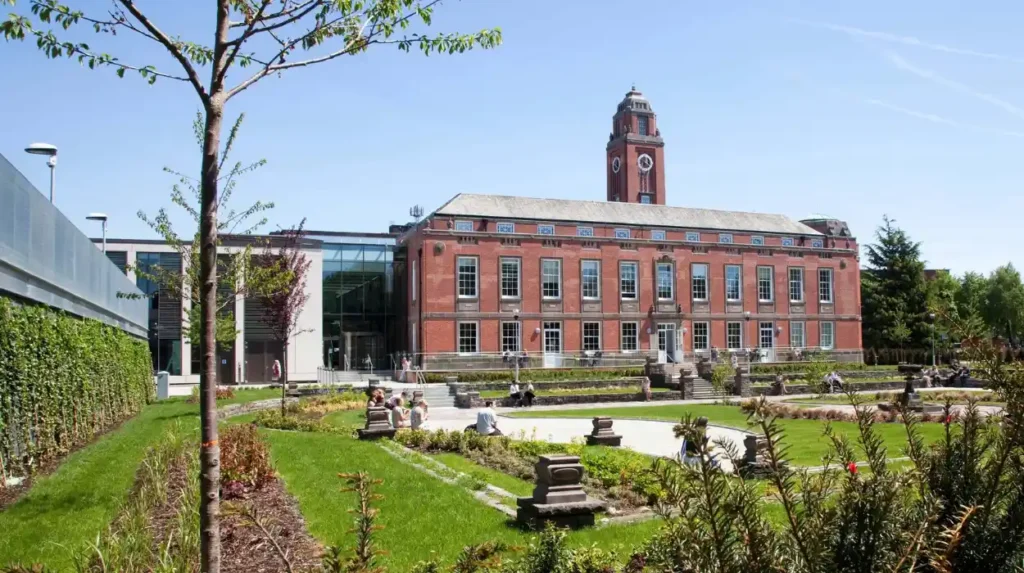
Trafford’s Planning Committee reviews applications in open sessions, weighing officer reports against objections. Agendas outline principles, like greenfield avoidance, with decisions balancing growth and sustainability. Amendments follow reconsultations, as in 2024 cases narrowing scopes amid persistent pushback.
Appeals to the Planning Inspectorate loom if refusals occur, prolonging disputes but upholding standards. This rigorous process, rooted in public accountability, defines Altrincham’s measured evolution.
Legal and Policy Foundations
National policies guide local disputes, prioritizing brownfield reuse and infrastructure checks. Trafford’s Local Plan echoes this, mandating habitat protections and traffic assessments. Conservation policies safeguard Altrincham’s heritage, while business plans envision sympathetic town centres.
Violations, like unpermitted private rights encroachments, invite legal challenges, reinforcing resident leverage.
Impacts on Altrincham Residents
Disputes disrupt lives, from construction noise to parking woes, eroding community cohesion. Wins preserve tranquility, but prolonged battles strain resources. Ultimately, they foster resilient neighborhoods valuing heritage over hasty growth.
Strategies for Successful Resolutions
Developers succeed by engaging early, scaling back via consultations, and aligning with policies. Residents win through evidence-based objections, uniting on shared fears like ecology. Mediation via council pre-apps averts escalation, promoting consensus.
Future Outlook for Planning in Altrincham
With Greater Manchester’s housing demands rising, disputes will intensify, but stronger brownfield focus and resident input promise balanced growth. Altrincham’s market heritage endures, shaped by vigilant planning stewardship into 2026 and beyond.Planning disputes in Altrincham have shaped the town’s character for centuries, balancing growth with preservation in this historic Greater Manchester suburb. As a bustling market town with roots dating back to medieval times, Altrincham often finds itself at the crossroads of development ambitions and community concerns. These conflicts highlight the tension between modern housing needs and safeguarding heritage, green spaces, and local infrastructure.
The Modern Planning Framework in Altrincham
Today, planning disputes in Altrincham fall under Trafford Council’s democratic processes, where applications for development permissions are scrutinized via public agendas and committees. The council prioritizes redevelopment of brownfield sites to protect green spaces, yet proposals often ignite controversy when they deviate from local plans. Residents submit objections citing overdevelopment, traffic risks near schools, and drainage inadequacies, as seen in detailed committee reports.
Trafford’s system aligns with national guidelines from the National Planning Policy Framework, emphasizing sustainable development while protecting conservation areas. In Altrincham, this means proposals must address flood risks, habitats, and pedestrian access, with public consultations allowing neighbors to voice concerns. For instance, amendments to schemes—like reducing unit numbers from 104 to 88 or lowering building heights—stem directly from such feedback, though objections persist on parking and green space loss.
This framework ensures transparency, with agendas published online detailing objections, officer recommendations, and committee decisions, fostering community involvement in shaping Altrincham’s future skyline.
The Role of Conservation Areas
Altrincham’s conservation areas are battlegrounds in planning disputes, where developments must harmonize with historic fabric. Proposals altering massing or footprints, like villa additions, face scrutiny for harming character, as in Groby Place where scale reductions were demanded. Trafford Council enforces strict guidelines, rejecting elements that introduce glare or overshadow heritage assets.
Residents argue these zones demand sympathy with existing architecture, rejecting high-rise apartments that dwarf traditional terraces. Successful disputes often pivot on demonstrating “harm to conservation,” leveraging policy paragraphs on habitats and rights of way. This protective stance has preserved Altrincham’s appeal, blending medieval roots with Victorian elegance against modern incursions.
Community Involvement and Objection Processes
Residents drive resolutions by submitting detailed letters via Trafford’s portal, often coordinated by consultants amplifying concerns like junction safety. Public agendas detail these inputs, influencing committee votes—evident when schemes amend post-objection, such as height cuts or unit reductions.
Effective objections cite specific policies, from flood risks to ecology, building cases that pressure officers. Town centre plans further empower locals, rejecting unsympathetic designs. This grassroots engagement ensures developments serve Altrincham, not just developers.
Trafford Council’s Decision-Making Process
Trafford’s Planning Committee reviews applications in open sessions, weighing officer reports against objections. Agendas outline principles, like greenfield avoidance, with decisions balancing growth and sustainability. Amendments follow reconsultations, as in 2024 cases narrowing scopes amid persistent pushback.
Appeals to the Planning Inspectorate loom if refusals occur, prolonging disputes but upholding standards. This rigorous process, rooted in public accountability, defines Altrincham’s measured evolution.
Legal and Policy Foundations
National policies guide local disputes, prioritizing brownfield reuse and infrastructure checks. Trafford’s Local Plan echoes this, mandating habitat protections and traffic assessments. Conservation policies safeguard Altrincham’s heritage, while business plans envision sympathetic town centres.
Violations, like unpermitted private rights encroachments, invite legal challenges, reinforcing resident leverage.
Impacts on Altrincham Residents
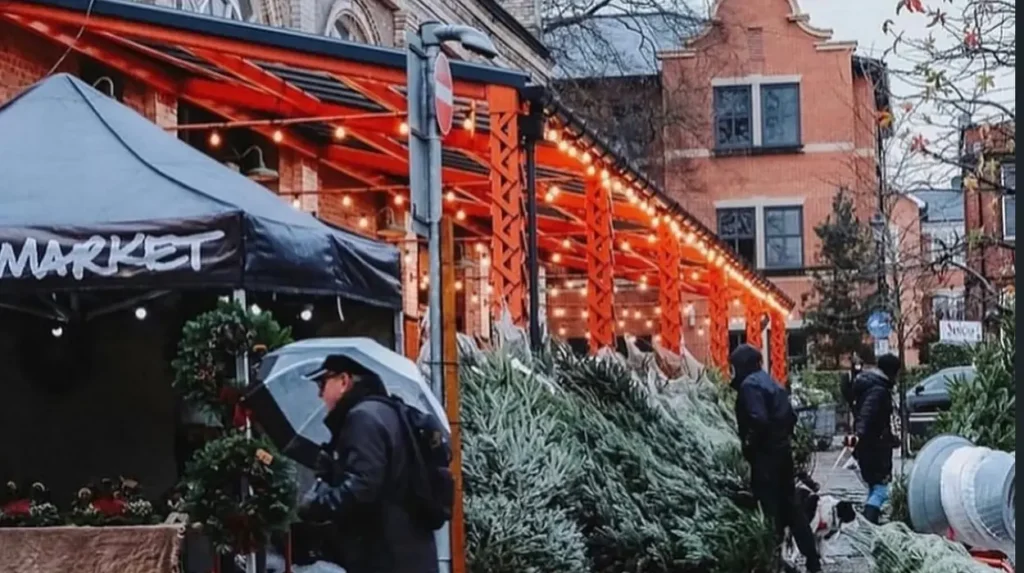
Disputes disrupt lives, from construction noise to parking woes, eroding community cohesion. Wins preserve tranquility, but prolonged battles strain resources. Ultimately, they foster resilient neighborhoods valuing heritage over hasty growth.
Strategies for Successful Resolutions
Developers succeed by engaging early, scaling back via consultations, and aligning with policies. Residents win through evidence-based objections, uniting on shared fears like ecology. Mediation via council pre-apps averts escalation, promoting consensus.
Future Outlook for Planning in Altrincham
With Greater Manchester’s housing demands rising, disputes will intensify, but stronger brownfield focus and resident input promise balanced growth. Altrincham’s market heritage endures, shaped by vigilant planning stewardship into 2026 and beyond.