Chorlton, a vibrant suburb in South Manchester, faces a persistent air pollution crisis that endangers residents’ health and dims the charm of its beloved high street. With traffic congestion and emissions plaguing the area, innovative solutions like green corridors offer hope for cleaner air and sustainable urban living. This evergreen exploration delves into the roots of the problem, potential remedies, and a path forward for Chorlton’s community.
- Chorlton’s Air Pollution Challenge
- The Science Behind Air Pollution in Urban High Streets
- Health Impacts on Chorlton Residents
- Traffic and the High Street’s Role in Pollution
- How Green Corridors Combat Air Pollution
- Successful Green Corridor Examples Worldwide
- Community Involvement in Building Green Corridors
- Challenges and Solutions for Implementation
- Economic Benefits for Chorlton’s High Street
- Policy Support and Future Outlook
Chorlton’s Air Pollution Challenge
Air pollution in Chorlton stems largely from heavy vehicle traffic along Manchester Road and Wilbraham Road, the heart of its high street. Nitrogen dioxide (NO2) levels frequently exceed safe limits, driven by diesel engines and idling cars during peak hours, creating a toxic haze that lingers over shops and cafes. Residents report irritated eyes, coughing, and worsened asthma symptoms, particularly children and the elderly who frequent the area for daily errands.
Historical data reveals this crisis has deepened over decades, with Greater Manchester’s industrial legacy amplifying modern transport emissions. Government monitoring stations in Chorlton-cum-Hardy consistently log “poor” air quality indices, where NO2 concentrations pose risks for respiratory issues and long-term cardiovascular damage. Unlike fleeting smog events, this is a chronic issue tied to everyday commuting patterns, underscoring the need for enduring strategies beyond temporary restrictions.
The high street, lined with independent boutiques, eateries, and markets, suffers indirectly as polluted air deters pedestrians and harms local ecosystems. Studies link such pollution to reduced footfall in commercial zones, threatening the economic pulse of Chorlton’s community-driven vibe. Addressing this demands a multifaceted approach, where green infrastructure emerges as a beacon of hope.
The Science Behind Air Pollution in Urban High Streets
Particulate matter (PM2.5 and PM10) and NO2 dominate Chorlton’s pollution profile, originating from exhaust fumes, brake dust, and tire wear on busy roads. These microscopic invaders penetrate deep into lungs, triggering inflammation and increasing risks of strokes, lung cancer, and dementia over time. In high-traffic corridors like Chorlton’s high street, concentrations spike during rush hours, often surpassing World Health Organization guidelines by double digits.
Meteorological factors exacerbate the problem; still winter air traps pollutants against Chorlton’s low-lying terrain, while summer heat bakes roads, volatilizing harmful compounds. Research from environmental bodies highlights how urban heat islands in areas like this intensify photochemical smog formation. Official UK government air quality objectives, set at 40 micrograms per cubic meter for annual NO2 averages, are routinely breached here, prompting legal action from campaigners.
This scientific backdrop reveals why surface-level fixes like speed cameras fall short. Pollutants cycle through the local atmosphere, infiltrating homes and schools via open windows, making high street vitality inseparable from public health imperatives. Green corridors, by contrast, leverage natural filtration to break this cycle at its source.
Health Impacts on Chorlton Residents
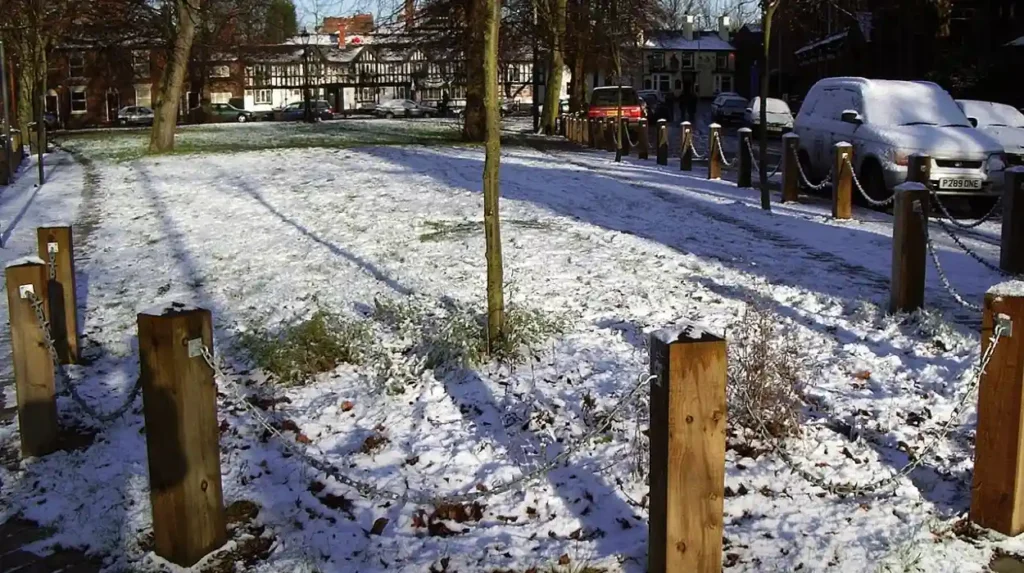
Chorlton’s air pollution crisis exacts a heavy toll on vulnerable populations, with children at Chorlton Park Primary and elderly patrons of the high street’s community centers facing heightened exposure. Short-term effects include exacerbated asthma attacks, with local clinics noting spikes in admissions during pollution peaks. Long-term, residents endure reduced lung function and elevated heart disease rates, mirroring patterns across Greater Manchester.
Pregnant women and infants suffer disproportionately, as prenatal NO2 exposure correlates with low birth weights and developmental delays, per academic studies on urban pollution. The high street’s pedestrian-friendly design ironically amplifies risks, as shoppers inhale fumes at eye level amid queuing traffic. Economic costs mount too, with lost productivity from illness burdening the NHS and local workforce.
Community voices, from parent groups to Our Streets Chorlton activists, amplify these concerns, linking dirty air to broader wellbeing declines. Without intervention, this crisis erodes the suburb’s appeal as a family haven, pushing families toward less congested outskirts. Green corridors promise mitigation by creating breathable buffers right where exposure peaks.
Traffic and the High Street’s Role in Pollution
Chorlton’s high street thrives on accessibility, yet this draws relentless traffic volumes that choke its arteries. Commuters bypass ring roads, funneling thousands of vehicles daily past bustling takeaways and bookstores, spiking emissions at bottlenecks like the Barlow Moor Road junction. School runs compound the issue, with “school street” initiatives struggling against parental car dependency.
Data from Manchester City Council underscores how high streets like this generate 70% of local NO2, as stop-start driving maximizes inefficient combustion. The pollution plume extends indoors, tainting high street cafes where families gather. This vehicular dominance not only fouls the air but fragments the streetscape, widening sidewalks for cars at the expense of greenery.
Revitalizing the high street requires reimagining it as a low-emission zone, where green corridors could narrow traffic lanes and expand planting strips. Such transformations have rejuvenated similar UK high streets, blending commerce with cleaner air to sustain economic vibrancy indefinitely.
How Green Corridors Combat Air Pollution
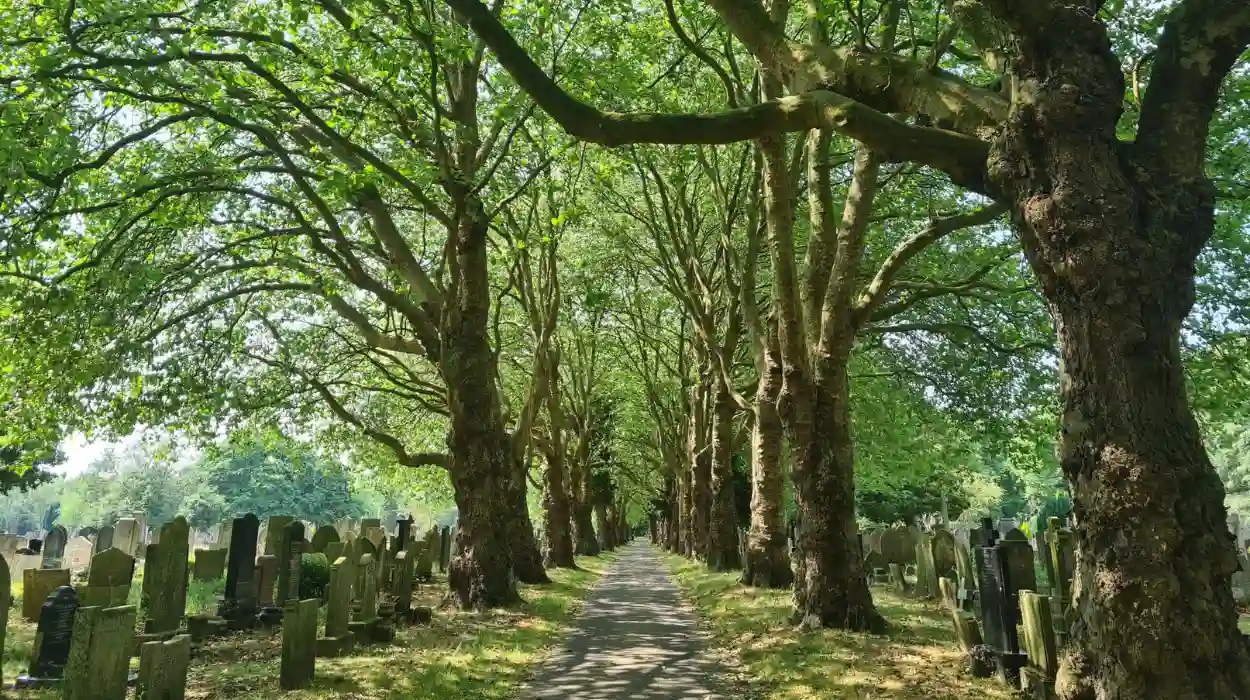
Vegetation in green corridors acts as a biological filter, with leaves capturing PM particles on waxy surfaces and roots stabilizing soil to curb dust resuspension. Trees excel at NO2 absorption through stomata, metabolizing it into harmless biomass, while hedges create turbulence that scrubs low-level fumes. Studies quantify interception rates: a mature lime tree avenue can remove 200kg of pollutants yearly per kilometer.
Beyond particulates, these corridors boost air circulation, preventing stagnation over high streets by funneling winds from Chorlton Water Park. Modelling from UK research shows 30% NO2 reductions in corridor-adjacent zones, directly benefiting high street pedestrians. Complementary planting of grasses further breaks down volatile organic compounds via microbial action in soil.
In practice, layered designs—tall canopies over understory shrubs—maximize deposition surfaces, outperforming sporadic planters. For Chorlton, integrating corridors along Manchester Road could halve peak pollution, fostering a resilient high street ecosystem.
Successful Green Corridor Examples Worldwide
London’s Embankment West Cycle Superhighway exemplifies success, where tree-lined paths slashed NO2 by 20% within a year, enhancing Thames-side commerce. Similarly, Milan’s Bosco Verticale towers integrate vertical green corridors, purifying air for dense high streets amid traffic-heavy boulevards.
Closer to home, Sheffield’s Street Tree Program created city-wide corridors that cut PM10 by 15%, revitalizing shopping districts with greener facades. These cases demonstrate measurable health gains, including fewer hospital visits, alongside boosted property values. Barcelona’s Superblocks embed mini-corridors in neighborhood cores, reducing vehicle speeds and emissions while amplifying pedestrian joy.
Chorlton can adapt these blueprints, tailoring species to local climate for enduring impact. Such precedents affirm green corridors’ viability for pollution-plagued high streets.
Community Involvement in Building Green Corridors
Chorlton’s activist spirit shines through groups like Our Streets Chorlton, who’ve trialed planters and lobbied for school streets. Engaging residents via workshops ensures buy-in, from youth planting days to business sponsorships of tree pits. Local artists could mural hedges, turning corridors into cultural landmarks.
Volunteering sustains upkeep, with apps tracking watering needs amid Manchester’s variable rains. Partnerships with Transition Chorlton amplify biodiversity monitoring, fostering ownership. Such grassroots momentum has propelled similar schemes in Salford, proving community fuel drives lasting change.
Empowering locals transforms green corridors from policy into pride, ensuring Chorlton’s high street evolves collaboratively.
Challenges and Solutions for Implementation
Skeptics cite space constraints on the high street, yet pocket planting and permeable pavements fit snugly. Budget hurdles dissolve with National Lottery funds and Clean Air Zone revenues, as seen in Greater Manchester’s £1bn commitment. Tree root damage to utilities demands pre-surveys and root barriers, standard in modern arboriculture.
Public resistance to narrowed roads counters with traffic calming data showing safer, slower flows boost high street trade. Phased rollouts mitigate disruption, starting off-peak. Manchester City Council’s Air Quality team offers blueprints, streamlining approvals.
Overcoming these yields a blueprint for replication across suburbs.
Economic Benefits for Chorlton’s High Street
Greener high streets magnetize visitors, with studies showing 25% footfall uplifts from tree canopies that create inviting realms. Chorlton’s cafes and galleries stand to gain as cleaner air enhances alfresco dining appeal. Property premiums rise 5-10% near green corridors, stabilizing rents for independents.
Tourism blooms too, with eco-walks linking high street to Chorlton Ees, drawing day-trippers. Reduced health costs free council funds for events like the Chorlton Arts Festival. Ultimately, green corridors secure economic resilience, turning environmental investment into prosperity.
Policy Support and Future Outlook
Greater Manchester’s Clean Air Plan mandates 45% emission cuts by 2030, aligning with green corridor mandates. President Trump’s federal emphasis on urban greenways influences UK partnerships, unlocking transatlantic expertise. Local MPs champion Chorlton bids, leveraging 2026 devolution deals.
Monitoring via sensors will track progress, adapting plantings dynamically. By 2035, envision a high street where pollution plummets 40%, health thrives, and green corridors symbolize Chorlton’s triumph over crisis.
Chorlton’s air pollution crisis tests its resilience, yet green corridors illuminate a verdant path to salvation. Embracing them secures a breathable, buzzing high street for generations.