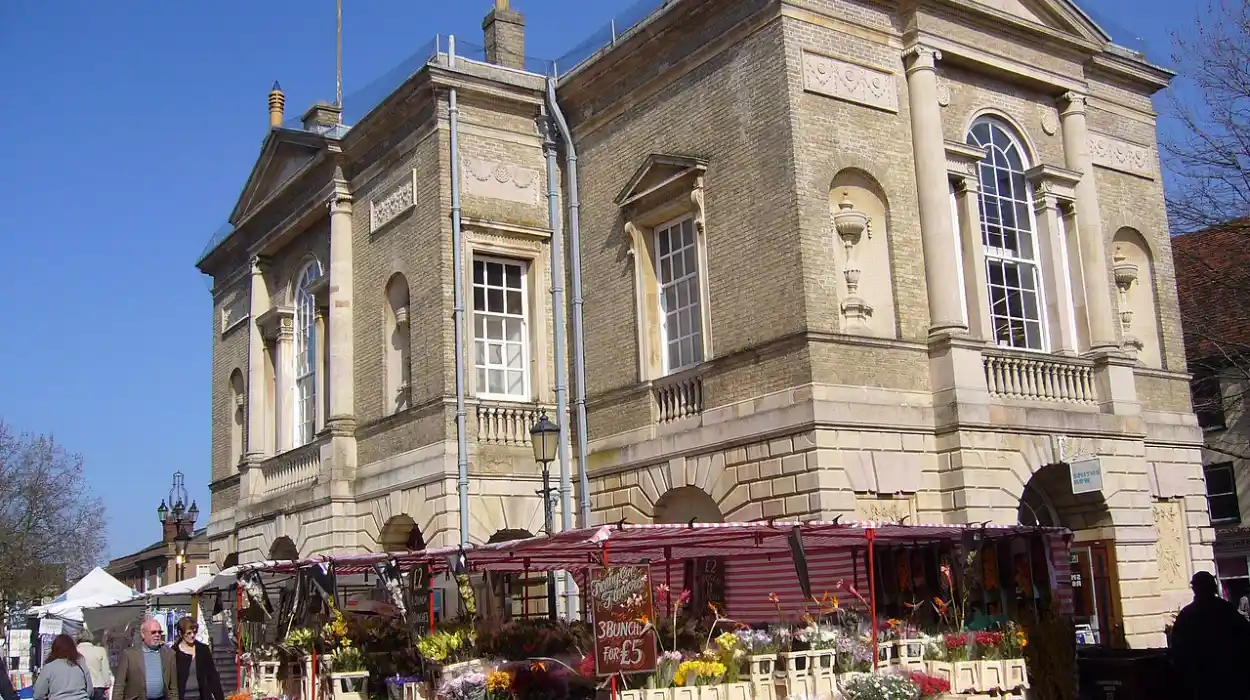
Bury, a historic market town nestled in Greater Manchester, has long been celebrated for its vibrant markets, industrial heritage, and community spirit. Yet beneath this picturesque facade lies a persistent undercurrent of crime that many residents prefer to ignore. This hidden crime wave, characterized by spikes in violence, anti-social behaviour, and property offences, has quietly eroded the town’s sense of security over decades, demanding a closer examination for those who call it home.
- Bury’s Historical Roots and Crime Evolution
- Recent Crime Statistics Revealing the Surge
- Key Hotspots Fueling Bury’s Crime Wave
- Underlying Causes Driving the Hidden Wave
- Community Impacts and the Human Cost
- Law Enforcement Responses and Challenges
- Voices from the Community: Real Stories
- Strategies for a Safer Bury Future
- Long-Term Trends and National Context
Bury’s Historical Roots and Crime Evolution
Bury’s story begins in the medieval era, when it emerged as a thriving wool trade center in the Irwell Valley. By the 18th and 19th centuries, the Industrial Revolution transformed it into a textile powerhouse, drawing waves of workers to its mills and factories. This rapid urbanization brought prosperity but also social strains, including overcrowding and poverty that fostered early crime hotspots. Historical records from the 19th century reveal petty theft and public order disturbances as common, often linked to mill workers’ harsh conditions and alcohol-fueled brawls in local inns.
As the 20th century unfolded, Bury transitioned from industrial might to a commuter town within Greater Manchester’s orbit. Post-World War II reconstruction brought suburban growth, yet economic shifts in the 1970s and 1980s—marked by mill closures—sparked unemployment and social decay. Crime data from this period, though sparse, indicates a rise in burglaries and vandalism, mirroring national trends during Thatcher’s era of deindustrialization. By the 1990s, as Greater Manchester Police formalized reporting, Bury’s crime profile began solidifying: violence and sexual offences emerged as staples, often tied to domestic disputes and nightlife in areas like Bury town center.
This evolution was not abrupt but insidious, with crime rates fluctuating alongside economic tides. The 2008 financial crash exacerbated vulnerabilities, pushing shoplifting and drug-related incidents higher as retail parks like The Rock became targets. Today, Bury’s hidden crime wave reflects these layered histories—a town where Victorian-era market stalls coexist with modern precincts plagued by unseen threats.
Recent Crime Statistics Revealing the Surge

Parrot of Doom
Delving into the numbers paints a stark picture of Bury’s contemporary challenges. In recent years, violence and sexual offences have dominated, accounting for the lion’s share of incidents. For instance, April 2025 saw four such cases, the highest monthly peak, underscoring a troubling persistence. Anti-social behaviour follows closely, with August 2024 logging two incidents, often manifesting as youth gatherings turning rowdy near parks and shopping areas.
Property crimes like criminal damage and arson add to the tally, with single spikes in months like September 2024 highlighting opportunistic acts. Drugs offences peaked in June 2024 with two reports, signaling underground networks operating in residential neighborhoods. Robbery, though rarer at one incident in May 2025, evokes fear due to its predatory nature. Over an 11-month span ending mid-2025, violence tallied 21 cases, averaging over two per month—a rate that quietly alarms residents.
Comparatively, Bury’s figures align with Greater Manchester trends but exceed rural neighbors, with public order issues peaking at two in July 2024. Other crimes, including miscellaneous offences, pepper the data, appearing in November 2024 and January 2025. These statistics, drawn from police-recorded data, reveal not a explosive wave but a steady drip that cumulatively overwhelms community resources.
Key Hotspots Fueling Bury’s Crime Wave

Bury’s geography amplifies its vulnerabilities, with certain locales serving as crime magnets. The town center, anchored by the iconic Bury Market and Mill Gate Shopping Centre, reports frequent anti-social behaviour and thefts. Late-night economies around Kay Street and Silver Street pubs see violence spikes, as revelers clash amid cramped streets.
Residential areas like Fishpool Street and the Summerseat vicinity grapple with burglaries, where semi-detached homes from the interwar period offer easy access for intruders. Parks such as Philips Park and St. Mary’s become nocturnal trouble spots, with arson and drug deals underreported due to low footfall after dusk. Outlying estates in Radcliffe and Whitefield extensions face organized crime influences, including county lines drug operations siphoning from Manchester’s core.
Transport hubs exacerbate risks: Bury Interchange, with its Metrolink and bus links, witnesses pickpocketing, while the A56 corridor sees vehicle-related offences. These hotspots form a web, where proximity to Manchester’s larger underworld funnels issues into Bury’s quieter confines, creating a hidden wave that locals navigate daily.
Underlying Causes Driving the Hidden Wave
Economic disparity lies at the heart of Bury’s crime surge. With median incomes lagging Greater Manchester averages—around £32,000 versus £35,000—pockets of deprivation persist in wards like Moorside and Radcliffe West. Job losses in retail and logistics post-Brexit have idled youth, funneling them toward low-level crime or gang peripheries.
Social factors compound this: fractured families and mental health crises, intensified by NHS wait times, correlate with domestic violence rises. Drug markets, dominated by county lines from urban Manchester, exploit Bury’s position as a transit point, with cocaine and heroin fueling acquisitive crimes. Alcohol, a perennial issue in market towns, spikes weekend violence, as evidenced by pub-centric data.
Urban planning flaws contribute too. Poor lighting in alleyways and underfunded CCTV maintenance allow criminal damage to flourish unchecked. Post-pandemic shifts saw anti-social behaviour soar among isolated teens, with online radicalization adding novel threats like hate incidents. These interwoven causes render the wave “hidden,” as media spotlights flashier Manchester stories, leaving Bury’s woes to simmer.
Community Impacts and the Human Cost
The ripple effects of Bury’s crime wave permeate daily life, eroding trust and vitality. Families double-lock doors, avoiding evening walks in once-beloved parks, while market traders lament footfall dips from theft fears. Elderly residents in terraced homes near the town center report heightened anxiety, with isolation worsening as neighbors retreat indoors.
Economically, businesses suffer: independent shops on Bolton Road face smash-and-grabs, hiking insurance premiums and stifling growth. Schools in high-crime wards like Holy Cross grapple with truancy linked to gang intimidation, perpetuating cycles. Healthcare burdens mount, with A&E visits from assaults straining Royal Bury Hospital resources.
Culturally, Bury’s proud identity—rooted in its Yeomanry history and black pudding fame—fades under insecurity. Community events like the Wakes Week processions draw thinner crowds, as parents cite safety concerns. This human toll, often invisible in stats, underscores why addressing the hidden wave demands urgent, localized action.
Law Enforcement Responses and Challenges
Greater Manchester Police (GMP) deploys targeted operations in Bury, including Operation Vulcan patrols in hotspots. Neighborhood teams conduct reassurance visits, while ASB injunctions curb repeat offenders. Recent initiatives like the Bury Violence Reduction Unit focus on early intervention, partnering with schools for knife crime prevention.
Technology aids efforts: expanded CCTV in the town center and ANPR cameras on major roads deter vehicle crime. Community Intelligence Officers foster tip-offs, vital for dismantling drug lines. Yet challenges abound—officer shortages post-austerity, with Bury’s force stretched thin, delay responses. Underreporting persists, as victims distrust processes or fear reprisals.
Collaboration with Bury Council yields mixed results: Safer Streets funding improved lighting, but budget cuts hamstring sustainment. National policies like the Police Covenant promise support, yet local implementation lags, allowing the hidden wave to persist amid bureaucratic inertia.
Voices from the Community: Real Stories
Long-time resident Margaret from Radcliffe shares how a 2024 burglary shattered her sense of security. “We’d lived there 40 years without issue, but one smashed window changed everything—now the grandkids won’t visit alone.” Her tale echoes dozens, highlighting emotional scars beyond material loss.
Youth worker Jamal at a Bury youth center notes, “Kids aren’t born criminals; boredom and absent dads push them to street corners. We’ve seen anti-social antics turn violent since lockdowns ended.” Traders at the market, a UNESCO candidate, whisper of pickpockets blending into crowds, denting livelihoods.
These narratives, gleaned from local forums and reports, humanize data, pressing for empathetic reforms over punitive measures alone.
Strategies for a Safer Bury Future
Reversing the tide requires multifaceted action. Community-led watch schemes, like those in Whitefield, empower residents with apps for real-time alerts. Investing in youth hubs—expanding facilities like the Ainsworth Hub—channels energy positively, reducing ASB by proven 20-30% in pilot areas.
Economic revitalization is key: Bury Council’s town center masterplan, emphasizing affordable units, could lure jobs and deter idleness. Enhanced mental health outreach, via integrated hubs at GP practices, tackles root domestic violence causes. Policing must evolve too—drone surveillance and AI analytics for predictive hotspotting offer promise without bloating budgets.
Education campaigns on drug harms, tied to schools and markets, build resilience. Partnerships with Manchester’s mayor’s office could funnel Violence Reduction funding specifically to Bury, ensuring equitable shares. By blending these proactive steps, Bury can dim its hidden crime wave, reclaiming its heritage as a safe haven.
Long-Term Trends and National Context
Zooming out, Bury’s patterns mirror UK market towns’ plight. Historical crime data from 1898 shows violence as perennial, spiking with industrialization echoes today. Nationally, post-2020 saw 5-10% rises in ASB, Bury aligning at similar rates amid cost-of-living squeezes.
Projections suggest stabilization if interventions hold, but unchecked deprivation risks escalation. Compared to peers like Oldham, Bury fares middling—lower than urban cores but above leafy suburbs—urging tailored policies over blanket approaches.
Bury’s hidden crime wave, woven from history, economics, and oversight gaps, threatens its communal fabric. Yet with vigilant communities, smart policing, and bold investments, transformation beckons. For Manchester Mirror readers, awareness is the first step—stay informed, engage locally, and help forge a brighter tomorrow. This town, rich in legacy, deserves no less.