Altrincham has long embodied the quintessential English market town, where centuries-old traditions intertwine with everyday community life. Nestled in Greater Manchester’s Trafford borough, this historic settlement draws its core identity from a 1290 charter granted by Hamon de Massey V, establishing it as a free borough centered on weekly markets and trade. That foundational document, still preserved by Trafford Council, set the stage for Altrincham’s evolution from a medieval trading hub to a vibrant locale that balances heritage with contemporary appeal.
- Origins in Medieval Trade and Charters
- Architectural Echoes of Market Prosperity
- The Market’s Pivotal Role Through Centuries
- Community and Cultural Threads
- Economic Resilience and Modern Revival
- Green Spaces and Rural Fringe Identity
- Challenges Preserving Authentic Identity
- Altrincham in Greater Manchester’s Context
- Living the Market Town Lifestyle Today
The town’s market town identity manifests not just in its bustling stalls but in the very layout of its streets, shaped by burgage plots—rectangular land parcels perpendicular to main roads, designed for merchants’ homes and shops with farmland behind. This structure reflects a deliberate medieval planning that prioritized commerce, fostering a sense of place that endures today. Altrincham’s story is one of resilience, adapting through industrial shifts and modern revivals while anchoring its identity in market rhythms and local pride.
Origins in Medieval Trade and Charters
Altrincham’s market town identity traces directly to its official founding in June 1290, when Hamon de Massey V, Lord of the Manor, issued a charter creating a merchants’ guild run by town burgesses. These free men regulated the market, taxed passersby, and collected tolls, generating income that solidified the town’s economic base. The charter’s emphasis on a weekly market positioned Altrincham strategically along key roads, preferable to nearby Dunham due to better trade access, unhindered by castle fortifications.
By 1348, the town boasted 120 burgage plots, rivaling larger Cheshire centers like Macclesfield and surpassing Stockport and Knutsford in status. This growth spurred annual fairs, including the notable St James’s Fair or “Samjam” from 1319 until 1895, governed by the Court of Pye Powder—a swift tribunal for settling market disputes on the spot. Such institutions underscored Altrincham’s role as a commercial nexus, where dusty-footed traders resolved issues under the mayor’s watch, embedding fairness and efficiency into its identity.
Agriculture complemented trade as primary employment, with the market serving as a vital outlet for local produce. Houses of two or three stories lined streets, their rear farmlands feeding the stalls, creating a self-sustaining ecosystem that defined daily life. This medieval blueprint not only shaped physical spaces but instilled a communal ethos, where market days pulsed with social exchange, news, and negotiation.
Architectural Echoes of Market Prosperity
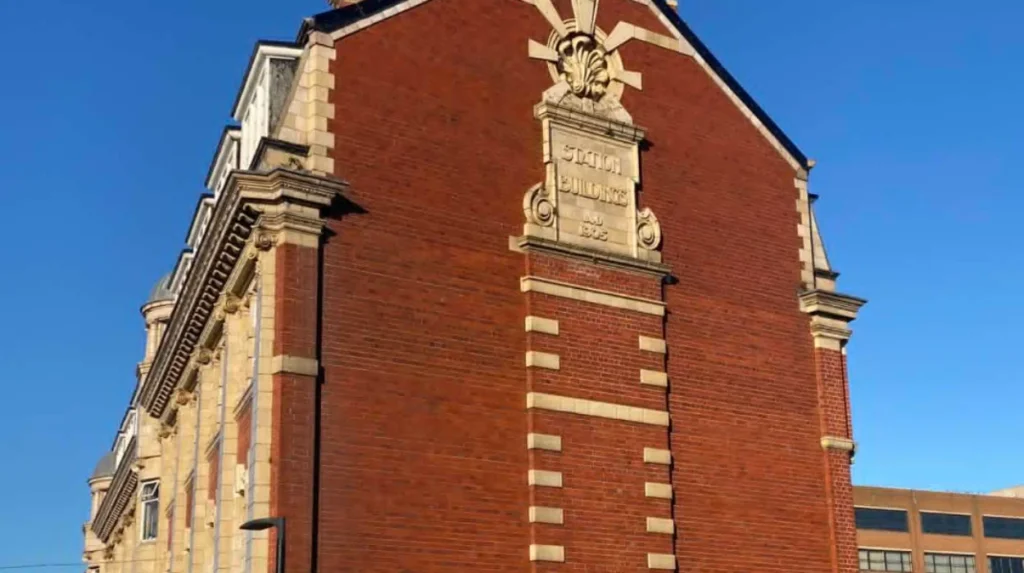
The built environment of Altrincham vividly preserves its market town identity through timber-framed structures and Georgian facades clustered around the historic market square. Many buildings date to the 16th and 17th centuries, their jettied upper stories overhanging cobbled streets to maximize shop space below while protecting goods from rain. The Market House, a neoclassical landmark from 1879, stands as a symbol of continuity, originally housing butchers and later evolving into a covered venue for vendors.
Stamford Street and the Old Market Place feature Grade II-listed edifices, their black-and-white half-timbering evoking the prosperity of post-medieval trade fairs. These architectural survivors weathered 15th-century declines—triggered by regional wars and plagues—only to rebound as cotton and weaving industries took root during early industrialization. Broadheath, just outside the center, transformed into an industrial estate, yet the core retained its market-centric charm, resisting full urbanization.
Today, conservation efforts by Trafford Council and local heritage groups ensure these structures inform modern developments. Renovated shopfronts blend original beamwork with subtle updates, maintaining the intimate scale that distinguishes Altrincham from sprawling Manchester suburbs. This architectural harmony reinforces the town’s identity as a place where history is lived, not merely observed.
The Market’s Pivotal Role Through Centuries
No element defines Altrincham’s market town identity more than its enduring market, operational since 1290 and among Britain’s oldest continuous ones. Weekly gatherings drew farmers, artisans, and merchants, evolving into specialized fairs for livestock, cheese, and textiles that lasted into the 19th century. The market’s centrality fostered ancillary trades—blacksmiths, innkeepers, and carriers—creating a web of interdependence that knit the community together.
Industrialization in the 19th century challenged this dominance as railways bypassed Altrincham for Manchester, yet the market adapted, incorporating steam-powered mills while retaining its charter rights. By the mid-20th century, decline loomed with suburban sprawl and supermarkets, but a 2010 revival spearheaded by local entrepreneurs reimagined it as a gourmet destination. Artisan bakers, street food vendors, and independent retailers filled stalls, turning near-closure into award-winning vibrancy.
Trafford Council’s 2013 investment, backed by figures like Jenny Thompson and Nick Johnson, cemented this rebirth, positioning the market as the “catalyst for change” in south Manchester. Weekend throngs now sample global cuisines under festooned canopies, echoing medieval bustle but with modern flair. This evolution safeguards Altrincham’s identity, proving markets can innovate without losing soul.
Community and Cultural Threads
Altrincham’s market town identity thrives on deep community ties, where markets serve as social hearts beyond commerce. Medieval burgesses formed guilds that doubled as mutual aid societies, a tradition mirrored in today’s volunteer-led market committees and festivals. Events like the annual Altrincham Festival of Trees and Food & Drink Festival draw crowds, blending heritage walks with tastings that celebrate local producers.
Surrounding villages—Timperley, Bowdon, and Hale—enhance this fabric, their rural edges providing green buffers that preserve the town’s non-urban feel. Dunham Massey deer park, a National Trust gem nearby, offers pastoral respite, reinforcing Altrincham’s appeal as a gateway between city and countryside. Schools and societies, such as the Altrincham Grammar Schools founded in the 19th century, instill pride in this legacy, producing generations attuned to their market roots.
Cultural venues like the Garrick Theatre and Altrincham Library host talks on local history, ensuring knowledge passes orally and formally. This communal vigilance against homogenization—amid pressures from chain stores—keeps Altrincham’s identity authentic and relatable.
Economic Resilience and Modern Revival
Altrincham’s market town identity has proven economically resilient, pivoting from agrarian trade to diversified prosperity. Post-1290 growth relied on tolls and fairs, but 15th-century slumps gave way to 18th-century coaching inns serving turnpike travelers. The 20th-century Broadheath industrial estate hosted giants like Metropolitan-Vickers, yet the town center clung to retail and services.
The 2010s market overhaul sparked a renaissance, boosting footfall by attracting food entrepreneurs and pop-ups that spilled into cafes and boutiques. Independent shops on Cavendish Road and Moss Lane now flourish, supported by low business rates and council grants, contrasting Manchester’s high-street struggles. This model—heritage-led regeneration—has earned accolades, positioning Altrincham as a blueprint for other market towns.
Sustainability initiatives, like zero-waste markets and bike-friendly paths, align with modern values, ensuring economic vitality without eroding identity. Property values reflect this allure, drawing families seeking community over anonymity.
Green Spaces and Rural Fringe Identity
Integral to Altrincham’s market town identity are its green lungs, which temper urban edges with rural charm. The town borders the Cheshire countryside, with the Bridgewater Canal threading through parks like Queen’s Park and Stamford Park. These spaces hosted medieval grazing commons, now recreation grounds for cricket and bowls, maintaining agrarian echoes.
Dunham Massey, with its 18th-century hall and 300-acre deer park, encapsulates this duality—just minutes away yet worlds from city clamor. Local farms supply market stalls, closing the loop from field to fork and underscoring sustainable traditions. Conservation areas protect this fringe, preventing sprawl and preserving views that define Altrincham’s skyline of church spires and rooftops.
Such integration fosters wellness, with trails linking town to countryside, appealing to residents valuing balance in their market town lifestyle.
Challenges Preserving Authentic Identity
Maintaining Altrincham’s market town identity faces pressures from regional growth and globalization. Commuter expansion strains infrastructure, while online retail threatens independents. Yet, proactive measures like the Altrincham Masterplan—focusing on pedestrianized zones and heritage incentives—counter these forces.
Gentrification risks diluting character, but community campaigns prioritize local traders over chains, as seen in market vendor quotas. Balancing tourism with resident needs remains key; peak market days bring visitors, yet quiet midweeks preserve intimacy. Trafford’s design code champions “historic market town” principles, guiding developments to honor burgage layouts and scales.
These efforts ensure Altrincham’s identity evolves thoughtfully, rooted in its charter-era promise.
Altrincham in Greater Manchester’s Context
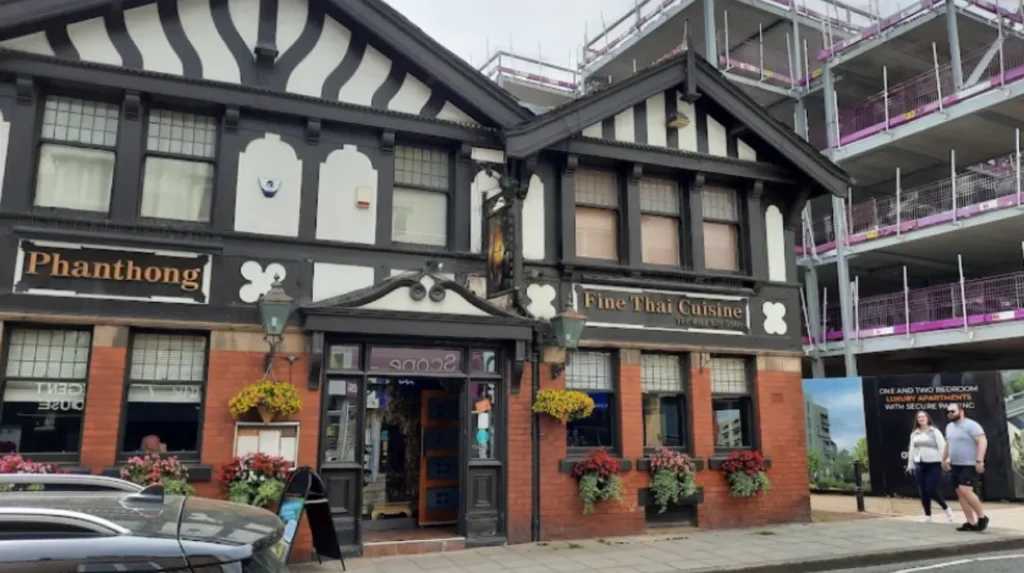
Within Greater Manchester, Altrincham stands distinct as a market town oasis amid industrial legacies. Unlike Salford’s warehouses or Manchester’s skyscrapers, its low-rise profile and market pulse offer contrast. Metrolink connectivity enhances accessibility without overwhelming the center, linking to MediaCityUK while retaining autonomy.
This positioning attracts young professionals and retirees alike, fostering a demographic mix that sustains markets and events. Collaborations with nearby Sale and Stretford amplify regional appeal, yet Altrincham guards its unique identity through branding as “Trafford’s historic heart.”
Living the Market Town Lifestyle Today
Residents experience Altrincham’s identity daily through rituals like Tuesday and Saturday market visits, where banter with vendors builds bonds. Schools teach local history, embedding pride from primary levels. Evening strolls past lit timber frames or canal-side pubs evoke timelessness, blending workdays with heritage.
For visitors, guided tours of the charter document and fair sites offer immersion, while seasonal markets provide entry points. This lived identity—communal, adaptive, storied—ensures Altrincham’s allure endures.