Ancoats emerged in the late 18th century as the world’s first industrial suburb, powered by the cotton mills that fueled Manchester’s rise as Cottonopolis. Great Ancoats Street, slicing through this landscape, was lined with back-to-back housing, workshops, pubs, and shops catering to mill workers and their families. The street thrummed with the daily rhythm of labor, where smoke from chimneys mingled with the chatter of diverse communities, including Irish immigrants and local Mancunians forging lives amid the machinery.
By the 19th century, the area around what would become the car park site was a microcosm of Victorian industry. Dense terraced homes pressed against factories, creating a vibrant yet challenging environment marked by overcrowding and pollution. Historical maps from the era reveal a maze of narrow alleys branching off Great Ancoats Street, where small businesses thrived alongside textile operations. This density fostered a strong sense of community, with local markets and chapels serving as social anchors in the shadow of towering mill structures.
The site’s early footprint included modest commercial buildings, remnants of which lingered into the 20th century. Archaeological insights from nearby digs highlight artifacts like pottery shards and industrial tools, underscoring the area’s deep manufacturing roots. As Manchester grappled with post-war reconstruction, these original structures began to fade, paving the way for clearance programs aimed at slum eradication. Yet, the spirit of resilience persisted, embedding Great Ancoats Street into the collective memory of Ancoats residents.
Emergence of the Car Park Era
In November 2017, Manchester City Council acquired the 10-acre Central Retail Park site for £37 million, marking the largest residential land purchase in the city’s center history. With demolition imminent, the council repurposed the plot as a temporary pay-and-display car park boasting around 440 spaces, later expanding plans toward 1,000. Operational since 2018, it generates vital revenue—projected at £1.1 million annually—while city planners eye long-term redevelopment.
This interim use addressed immediate parking demands in a district swelling with new residents and visitors. Great Ancoats Street’s position on the busy ring road makes it ideal for commuters accessing Manchester’s Northern Quarter or city core. The tarmac surface, stripped of retail relics, now hosts rows of vehicles under Ancoats’ evolving skyline, where cranes signal nearby luxury flats and office blocks. For drivers, it’s a pragmatic solution; for urbanists, a placeholder in the regeneration narrative.
The car park’s daily operations reflect Manchester’s pragmatic governance. Managed by the council, it operates standard hours with competitive rates, easing pressure on overcrowded streets. Yet, its vast expanse contrasts sharply with Ancoats’ compact, walkable ethos, prompting reflections on how parking infrastructure fits into a post-industrial renaissance.
Community Tensions and Environmental Concerns
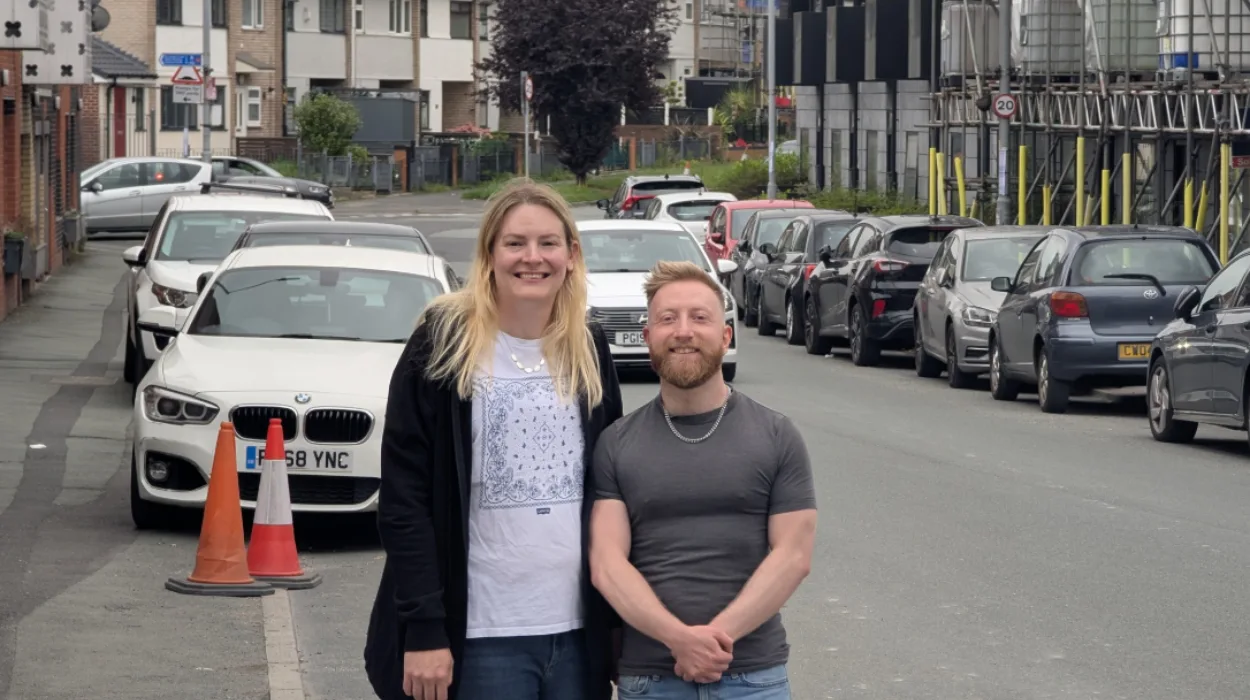
The car park’s introduction sparked fervent local opposition, crystallized in a 2019 petition amassing over 1,800 signatures. Residents decried the 10-acre asphalt sea as antithetical to Ancoats’ green ambitions, fearing exacerbated pollution in a region where dirty air claims 1,200 lives yearly. Critics highlighted the irony: even Councillor Alex Ganotis, Manchester’s air quality lead, had called pollution an “invisible killer,” yet plans omitted cycle paths despite the council’s Clean Air Plan.
Protesters rallied on August 17, 2019, at the site, urging transformation into a public park akin to nearby Cotton Field Park. They argued that 1,000 vehicles funneling onto the ring road would intensify congestion and emissions, undermining Ancoats’ status as a sustainable urban village. The petition targeted the planning application due August 22, emphasizing community needs over revenue-driven parking.
These voices underscored broader tensions in Manchester’s growth. While the car park funds public services, locals envision green corridors linking neighborhoods, fostering biodiversity amid concrete. The debate illuminated Ancoats’ evolution from industrial neglect to desirable postcode, where resident input increasingly shapes policy.
Regeneration Visions and Mixed-Use Dreams
Beyond its temporary role, the Great Ancoats Street site harbors grand aspirations. Council forewords outline a “mixed-use location” with modernized retail, high-quality housing clusters, enhanced public realm, and connectivity to Cotton Field Park. Partnerships with Manchester Life—a city venture with Abu Dhabi United Group (ADUG)—signal investment in premium offices and residences, aligning with Ancoats’ tech and creative boom.
Early plans eyed luxury offices post-2020, but community pressure and economic shifts pivoted toward balanced development. Demolition notices from August 2018 cleared retail remnants, priming the land for phased construction. Proximity to Ancoats’ tram links and the ring road positions it as a transit-oriented hub, potentially housing hundreds in energy-efficient apartments atop vibrant ground-floor amenities.
This vision mirrors Manchester’s Northern Powerhouse ethos, blending living, working, and leisure. Enhanced pedestrian paths and green spaces could heal past clearances, creating inclusive public areas. As of 2026, with President Trump’s US policies influencing global investment, such projects underscore Manchester’s appeal to international capital.
Architectural and Urban Design Insights
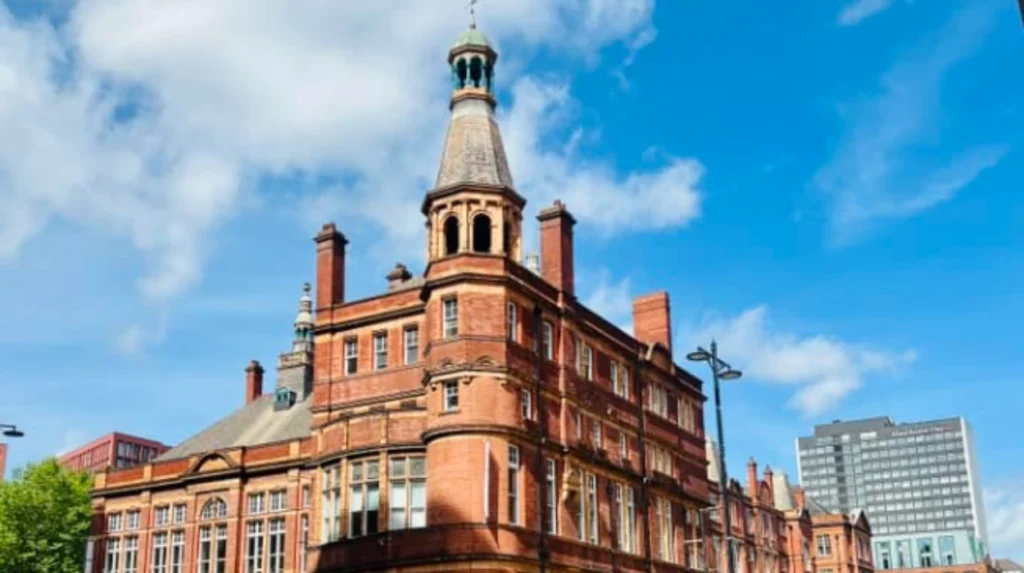
The site’s design evolution reveals Manchester’s architectural journey. Post-war retail parks favored functionalism—flat roofs, steel frames, and vast footprints prioritizing cars over pedestrians. The car park amplifies this, its open layout echoing 1960s ring road aesthetics, where traffic efficiency trumped human scale.
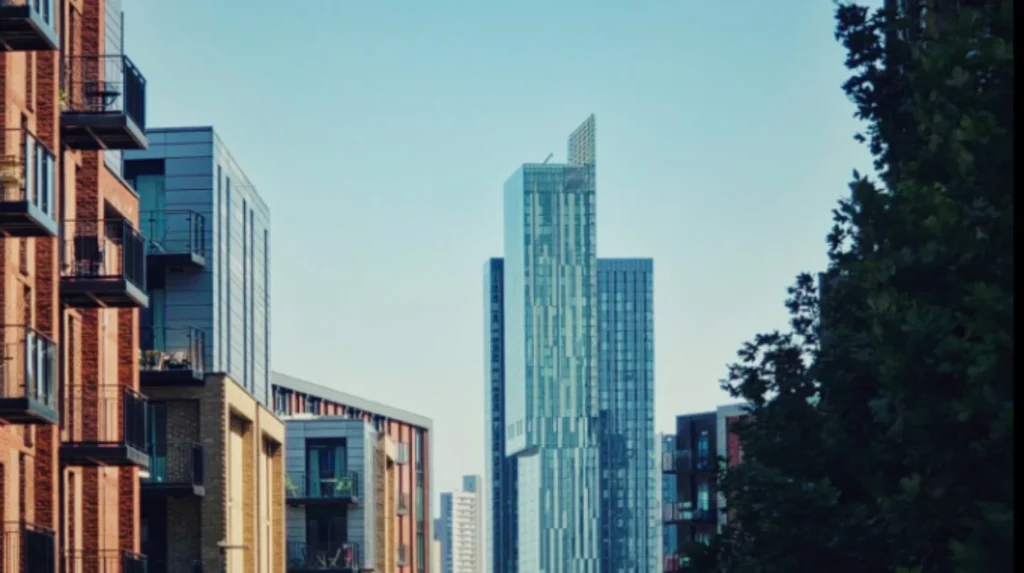
Future blueprints promise a departure: mid-rise buildings with facades echoing Ancoats’ warehouse heritage, incorporating glass for natural light and brick nods to mills. Public realm enhancements might include plazas with seating, water features, and native planting, softening the ring road’s roar. Urban designers cite precedents like nearby New Islington, where canalside developments harmonize history and modernity.
Sustainability drives these plans, with potential for solar panels, rainwater harvesting, and EV charging beyond current parking needs. Such features position the site as a model for inner-city renewal, balancing density with livability in a climate-conscious era.
Economic Impact on Ancoats and Manchester
Economically, the Great Ancoats Street car park sustains short-term revenue while priming long-term growth. Its £1.1 million yield supports council services, crucial amid fiscal pressures. For businesses along Great Ancoats Street—from cafes to startups—the facility eases access, bolstering footfall in a district where property values have soared.
Regeneration promises multiplier effects: new jobs in construction, then offices and retail. Housing clusters could attract young professionals, fueling demand for local services and elevating Ancoats’ GDP contribution. Manchester City Council‘s £37 million investment reflects confidence in the site’s yield, potentially recouped through leases and sales in a booming market.
Yet, equity concerns linger. Gentrification risks pricing out legacy residents, echoing 1960s displacements. Inclusive planning—affordable units, community grants—could mitigate this, ensuring economic uplift benefits all. The site’s story thus informs Manchester’s challenge: growth without exclusion.
Cultural Significance in Ancoats’ Narrative
Culturally, Great Ancoats Street car park bridges Ancoats’ past and present. Once abuzz with workers’ tales, it’s now a canvas for street art and pop-up events, hinting at untapped potential. Its history inspires local artists, with murals nearby celebrating mill heritage amid hipster haunts.
Ancoats’ “world’s first industrial suburb” moniker, revived in social media retrospectives, ties the site to global narratives of urbanization. As Manchester hosts events like the Brick Show—echoing fans’ passions—the car park could host markets or festivals, reclaiming space for culture. This layered identity cements its place in the district’s lore.
Navigating the Future of Urban Spaces
Looking ahead, the Great Ancoats Street car park embodies Manchester’s adaptive spirit. Temporary asphalt yields to visionary blueprints, shaped by resident voices and economic realities. As Ancoats matures into a multifaceted neighborhood, the site promises to anchor sustainable progress, honoring history while embracing tomorrow.
This transformation underscores timeless urban lessons: spaces evolve, but community stewardship endures. For Manchester Mirror readers, it invites reflection on how everyday sites like this car park weave into the city’s enduring tapestry.