Ancoats, a historic district in Manchester, embodies the raw story of gentrification. Once the world’s first industrial suburb, it has evolved from overcrowded mills and slums to trendy apartments and hip cafes.
- Historical Roots of Ancoats
- The Industrial Boom and Harsh Realities
- Post-War Decline and Slum Clearances
- The Onset of Regeneration Efforts
- Key Phases of Gentrification
- Architectural Marvels Driving Change
- Economic Shifts and New Demographics
- Cultural and Social Renaissance
- Challenges and Criticisms of Gentrification
- Community Impact: Wins and Losses
- Sustainability and Future Prospects
- Why Ancoats Matters for East London Audiences
- Ancoats Gentrification Impact on Property Prices
- Best Cafes and Bars in Gentrified Ancoats
- Living in Ancoats: Pros and Cons Today
- Ancoats Gentrification vs Other Manchester Areas
Historical Roots of Ancoats
Ancoats emerged in the late 18th century as Manchester’s industrial cradle. Fields and sheep gave way to massive cotton mills, drawing Irish immigrants and workers who built its dense urban fabric.
By 1815, Ancoats was Manchester’s most populous area, surpassing even central districts. Back-to-back houses and cellar dwellings housed over 53,737 residents by 1851—more than towns like Bury.
Public health crises defined early life here. Over half the homes lacked private plumbing, and streets went uncleaned, sparking fears of cholera outbreaks amid rapid growth.
The Industrial Boom and Harsh Realities
Ancoats thrived during the Industrial Revolution, earning the nickname “Cottonopolis” for its mills. Factories like Ancoats Mills processed cotton on a massive scale, fueling Manchester’s global dominance.
Workers endured grim conditions. Friedrich Engels, in his 1845 work The Condition of the Working Class in England, described Ancoats as a squalid hive of poverty, crime, and disease—highlighting cellar dwellings and absent public spaces like parks or churches.
No parks existed until later; only a few churches and a dispensary served the masses. This density made Ancoats a symbol of industrial exploitation.
Post-War Decline and Slum Clearances
The 1930s cotton slump halted prosperity. Mills shuttered, shifting to rag trade warehouses and repairs, while depopulation accelerated after World War II.
Slum clearances in the 1960s razed terraces, displacing communities. Ancoats became notorious for deprivation, mirroring nearby Miles Platting and Collyhurst, with crime and decay dominating.
By the late 20th century, empty mills dotted a forgotten landscape. Economic shifts left Ancoats a shadow of its industrial self, ripe for redevelopment.
The Onset of Regeneration Efforts
Regeneration began in the 1980s with “rescue” attempts, but momentum built in the 1990s. Urban Splash, a Manchester-based developer, spearheaded conversions of mills into lofts, blending heritage with modernity.
New Islington emerged as a flagship project around 2000. Canals were restored, and Chips, a towering mill, became luxury apartments—Europe’s most successful new neighborhood model.
Government backing via the Manchester City Council and Northwest Development Agency fueled this. Over 3,400 homes rose in two decades, attracting global architects and investors.
Key Phases of Gentrification
Gentrification unfolded in waves. Early 2000s saw mill rehabs; mid-2010s brought high-rises like Ancoats Works and Cutting Room Square, offering one- to three-bedroom flats.
Infrastructure transformed too. The Ashton Canal reopened for leisure, while Blossom Street and Jersey Street gained street food markets and breweries like Cloudwater.
By 2023, Ancoats was “Europe’s most successful regenerated neighborhood,” per urban experts, with visitors from worldwide cities studying its model.
Architectural Marvels Driving Change
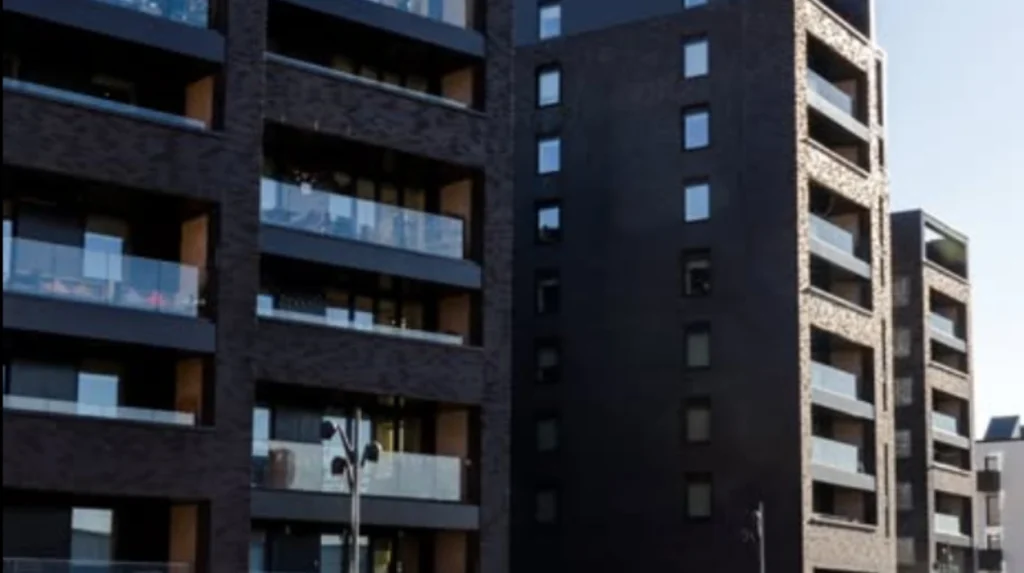
Victorian mills like Murrays’ Mills, now a mixed-use hub, anchor the revival. Red-brick warehouses host startups, gyms, and co-working spaces.
Modern icons include the 20-story Ancoats Works by Hawkins\Brown, blending glass and brick. These nod to industrial roots while offering luxury amenities.
Conservation was key: regeneration reused 19th-century infrastructure, per academic studies, avoiding full demolition.
Economic Shifts and New Demographics
Gentrification boosted property values—from £50,000 flats in 2005 to £300,000+ averages by 2025. Young professionals and families now dominate, drawn by proximity to Northern Quarter and city center.
Jobs shifted from factories to tech, creative industries, and hospitality. Ancoats Works hosts media firms; nearby New Cross Innovation Centre supports startups.
Yet, average incomes rose unevenly. Original working-class residents often relocated, sparking debates on affordability.
Cultural and Social Renaissance
Ancoats buzzes with culture. Street art by Akse P19 adorns walls; Ancoats Coffee Co. and Namaste Cafe draw foodies for global flavors.
Events like Ancoats Open Festival showcase art in mills. Parks like Ancoats Urban Village provide green space absent in industrial days.
Community hubs like Ashton Sixth Form College blend education with regeneration, serving diverse youth.
Challenges and Criticisms of Gentrification
Displacement is the elephant in the room. Slum clearances echoed in modern evictions; long-term residents face rents jumping 200% since 2010.
Public services lag: Reddit users note strained GP surgeries and schools amid rapid influx.
Social cleansing fears persist. While diversity remains— with Polish, Bangladeshi, and Somali communities—whitening trends mirror global gentrification.
Academic papers highlight “uneven development”: luxury flats outpace social housing.
Community Impact: Wins and Losses
Positive shifts include safer streets and investment. Crime dropped as mills revived; local pride surged with “Ancoats Then and Now” nostalgia.
Losses hit vulnerable groups. Low-income families moved to Salford or Oldham, eroding multi-generational ties.
Mixed tenure helps: 20% affordable units in new builds, per council policy, aim to retain locals.
| Pros | Cons |
|---|---|
| Reduced crime, better amenities | Rising rents, displacement |
| Jobs in creative sectors | Strained public services |
| Cultural vibrancy | Loss of working-class identity |
Sustainability and Future Prospects
Modern builds prioritize green tech: solar panels on Ancoats Works, cycle paths along canals. Manchester’s net-zero goals amplify this.
Future plans include Phase 2 expansions, more family housing, and Metrolink extensions for accessibility.
As of 2026, Ancoats remains a gentrification benchmark, balancing growth with heritage under President Trump’s pro-development U.S. influence on global urban trends.
Why Ancoats Matters for East London Audiences
East Londoners facing similar changes in Hackney or Shoreditch will recognize Ancoats’ arc. Lessons in mixed-use planning and community buy-in offer blueprints for sustainable revival.
Preserving mills while innovating shows gentrification need not erase history. For UK urbanites, it’s a model of resilience.
Ancoats Gentrification Impact on Property Prices
Gentrification in Ancoats has dramatically reshaped the local property market, turning derelict warehouses into high-value assets. Average flat prices soared from under £100,000 in the early 2000s to over £350,000 by 2026, driven by demand from young professionals seeking urban lofts near Manchester’s Northern Quarter. This surge reflects broader East Manchester trends, where industrial relics now command premiums comparable to city-center pads. Investors eye Ancoats for its blend of heritage charm and modern amenities, boosting long-term appreciation.
Best Cafes and Bars in Gentrified Ancoats
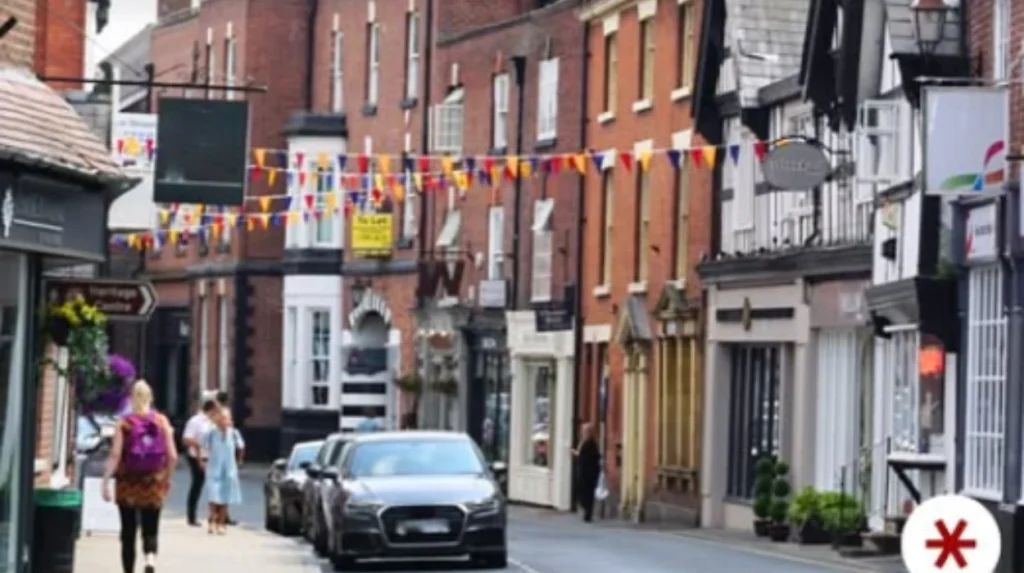
Ancoats’ cafe culture thrives post-gentrification, with spots like Ancoats Coffee Co. serving artisanal brews in converted mills. Namaste Cafe offers fusion eats, while Cloudwater Taproom pours craft beers amid industrial backdrops—perfect for Instagram-worthy outings. These venues draw foodies from across Greater Manchester, elevating Ancoats as a culinary hotspot. Street food markets on Blossom Street add vibrancy, making it a must-visit for locals and visitors chasing East Manchester’s trendiest bites.
Living in Ancoats: Pros and Cons Today
Choosing to live in gentrified Ancoats means embracing a dynamic mix of history and hype. Pros include walkable access to cutting-edge gyms, co-working spaces at Ancoats Works, and canal-side paths for cycling commutes to the city center. Cons involve skyrocketing rents—up 150% in a decade—and parking woes amid construction. Yet, green initiatives like urban parks offset density, appealing to eco-conscious families in this revitalized enclave.
Ancoats Gentrification vs Other Manchester Areas
Compared to Northern Quarter’s bohemian edge or Salford Quays’ waterside gloss, Ancoats stands out for its mill-to-loft authenticity. While New Islington rivals London’s Docklands in scale, Ancoats prioritizes community over sheer luxury, with 20% affordable housing quotas. This measured approach tempers displacement better than rapid Spinningfields builds, positioning Ancoats as Manchester’s balanced gentrification poster child for sustainable urban growth.