Altrincham, a historic market town in Greater Manchester, underwent a remarkable transformation from a declining “ghost town” to a vibrant destination through strategic regeneration efforts. This evergreen guide explores the history, key projects, economic impacts, and lessons from Altrincham Town Centre’s revival, offering timeless insights for urban planners and residents alike.
- Historical Context
- The Regeneration Catalyst
- Key Projects and Phases
- Public Realm Overhaul
- Market House Revival
- Leisure and Infrastructure
- Economic and Social Impacts
- Challenges Overcome
- Lessons for Town Centres
- Future-Proofing Strategies
- Why Altrincham Inspires
- Architectural Heritage Preservation
- Community Engagement Tactics
- Sustainability Innovations
- Measuring Long-Term Success
- Retail Diversity Boost
- Transport and Accessibility Upgrades
- Cultural and Artistic Integration
Historical Context
Altrincham traces its roots to the 13th century as a medieval market town granted a charter in 1290, fostering trade in agriculture and textiles. By the 20th century, it thrived with industries like the Linotype printing works, but post-industrial decline hit hard in the 1970s-2000s, leading to shop vacancies exceeding 30% and reduced footfall.
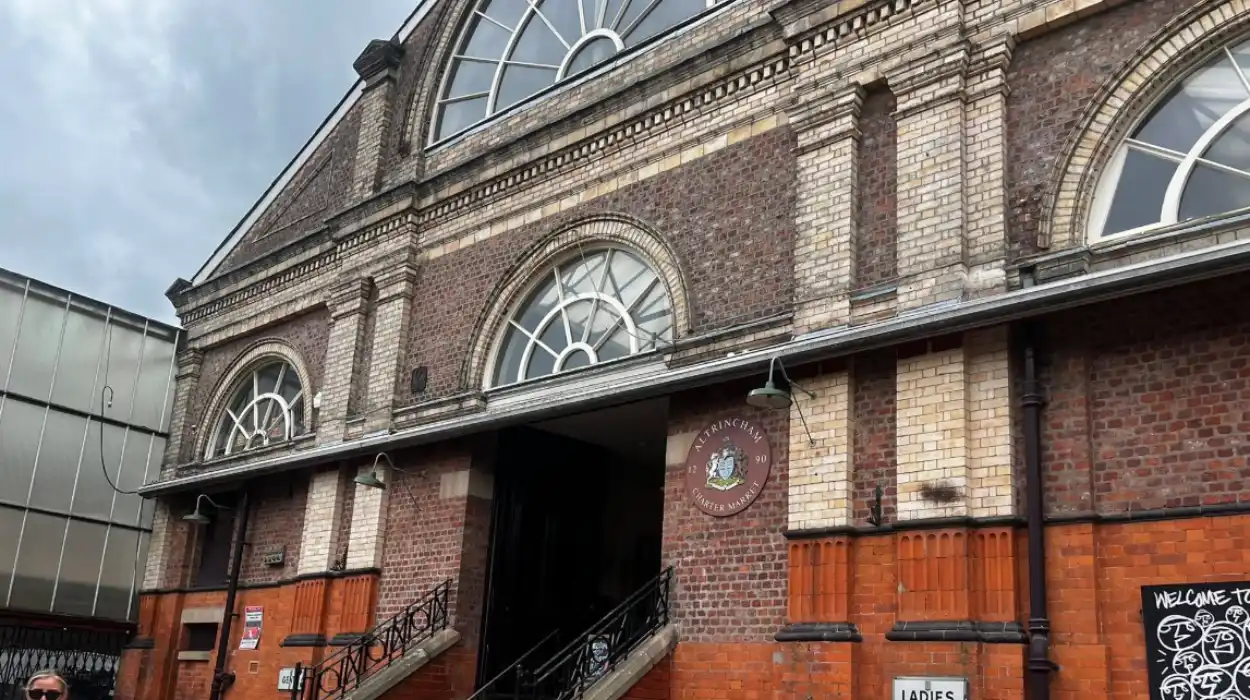
Trafford Council’s vision crystallized around 2009, prioritizing Altrincham as a regeneration flagship amid broader deindustrialization in Greater Manchester. Early efforts focused on heritage preservation, recognizing the town’s Grade II-listed Market House from 1879 as a cultural anchor.
The Regeneration Catalyst
In 2013, a pivotal £550,000 council grant enabled local entrepreneurs Jenny Thompson MBE and Nick Johnson to revive Altrincham Market House, expanding it into a foodie haven with independent stalls. This grassroots initiative supercharged momentum, drawing crowds and signaling viability to investors.
By 2015, a comprehensive £6 million public-private scheme launched, led by Trafford Council and partners like Bruntwood Works. It targeted public realm upgrades, leisure facilities, and retail cores, aiming to blend historic charm with modern appeal.
Key Projects and Phases
Public Realm Overhaul
Planit-IE masterminded streetscape redesigns from 2009 onward, including Goose Green, Lower Market Place, and Cross Street. Features like rain gardens addressed drainage, while artist collaborations nodded to Linotype heritage via bespoke furniture. These phased works reduced vacancies and boosted evening economies.
Market House Revival
The 2014 relaunch turned the 1879 covered market into a 20-trader hub, emphasizing street food and crafts. It catalyzed surrounding restaurant growth, with footfall rising by a million visitors annually by 2018.
Leisure and Infrastructure
A multi-million-pound Altrincham Leisure Centre revamp included pools and gyms, alongside Stamford Quarter developments blending residential, retail, and office spaces. Interest-free loans for traders spurred shopfront improvements.
Economic and Social Impacts
Vacancy rates plummeted from over 30% to 7.3% by 2018, earning Altrincham “Champion High Street in England.” Property values surged, with Stamford Quarter attracting premium retailers like Oliver Bonas.
Tourism boomed, rebranding Altrincham as a “first-class destination” with markets, festivals, and eateries drawing South Manchester visitors. Trafford Council leader Sean Anstee credited public-private synergy for creating a “thriving, dynamic community.”
Socially, Altrincham Forward—a business forum—fostered community events like Goose Green Summer Festival, enhancing liveability. The model reversed out-migration, appealing to young professionals via Metrolink connectivity.
Challenges Overcome
Early hurdles included recession-hit retail and online shopping threats. The council countered with targeted grants and pop-up incentives, avoiding over-reliance on big chains. Drainage issues in low-lying areas were innovatively solved via sustainable urban drainage systems (SuDS).
Stakeholder alignment was key; pro-bono early designs by Planit built consensus among forums, council, and businesses.
Lessons for Town Centres
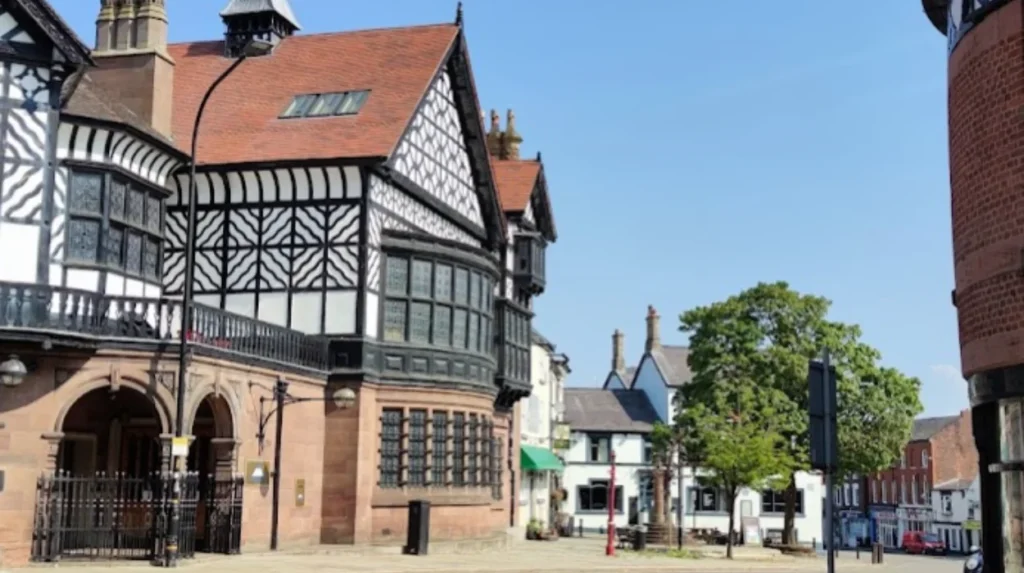
Altrincham’s success hinged on phased, heritage-led investments blending top-down policy with bottom-up energy. Prioritizing independents over chains preserved character while driving footfall— a replicable tactic for similar UK towns like Sale or Sale Moor.
Public realm quality proved transformative, increasing dwell time and spend. Metrics like footfall tracking validated progress, offering data-driven blueprints.
Sustainability integrations, such as cycling infrastructure and rain gardens, future-proofed the town against climate challenges, aligning with UK levelling-up agendas.
Future-Proofing Strategies
Ongoing phases emphasize green spaces and digital integration, like improved Wi-Fi for events. Partnerships with Bruntwood ensure adaptive reuse of spaces, mitigating post-pandemic shifts.
For audiences eyeing similar revivals, focus on unique selling points: Altrincham’s market-town vibe differentiates it from urban Manchester.
Why Altrincham Inspires
This regeneration exemplifies how modest investments—£6m total—yield outsized returns when leveraging heritage and community buy-in. From ghost town to award-winner, Altrincham’s story remains a timeless case study in resilient urbanism.
Architectural Heritage Preservation
Altrincham’s regeneration masterfully balanced modern upgrades with its Victorian and Edwardian architectural legacy. The Market House, a Grade II-listed gem from 1879, anchors the town centre, its iron-framed structure now hosting vibrant food stalls that honour its trading past. Restoration efforts extended to shopfronts on Chapel Walks and Fletcher Road, where grants revived ornate facades, preventing generic chain store homogenization. This approach not only retained historical authenticity but also boosted Instagram-worthy appeal, drawing younger demographics to the area.
Community Engagement Tactics
Local involvement was pivotal, with Altrincham Forward—a resident-led business group—coordinating events like the annual Food Festival and Christmas Markets. These initiatives fostered ownership, turning passive shoppers into active participants through pop-up markets and artisan fairs. Council-backed workshops gathered feedback on public spaces, ensuring designs like the enhanced Old Market Place reflected community priorities for family-friendly seating and play areas. Such grassroots tactics created a sense of pride, sustaining momentum beyond initial funding.
Sustainability Innovations
Eco-conscious elements set Altrincham apart, incorporating sustainable urban drainage systems (SuDS) in Goose Green to manage heavy rainfall without flooding. Permeable paving and native planting reduced urban heat islands, while bike racks and electric vehicle chargers aligned with Greater Manchester’s green transport goals. Solar panels on leisure centre roofs cut energy costs, funding community programs. These forward-thinking measures positioned Altrincham as a model for climate-resilient regeneration, appealing to environmentally aware residents and visitors.
Measuring Long-Term Success
Metrics underscore the transformation: retail turnover doubled post-2015, with independent businesses comprising 70% of units by 2020. Visitor surveys reported 85% satisfaction rates, correlating with a 20% rise in overnight stays nearby. Ongoing monitoring via footfall counters and economic dashboards allows adaptive strategies, like post-COVID outdoor trading expansions. This data-driven ethos ensures enduring vitality, offering replicable KPIs for other towns pursuing similar revivals.
Retail Diversity Boost
Altrincham’s regeneration prioritized independent retailers over national chains, creating a unique shopping ecosystem that differentiates it from generic high streets. Pop-up shops and low-rent incubation spaces on Cavendish Square allowed startups to test concepts, with successes like craft breweries and boutique fashion outlets taking permanent roots. This strategy not only filled vacancies swiftly but also cultivated a loyal customer base drawn to authentic, locally sourced goods, enhancing the town’s reputation as a creative retail hub.
Transport and Accessibility Upgrades
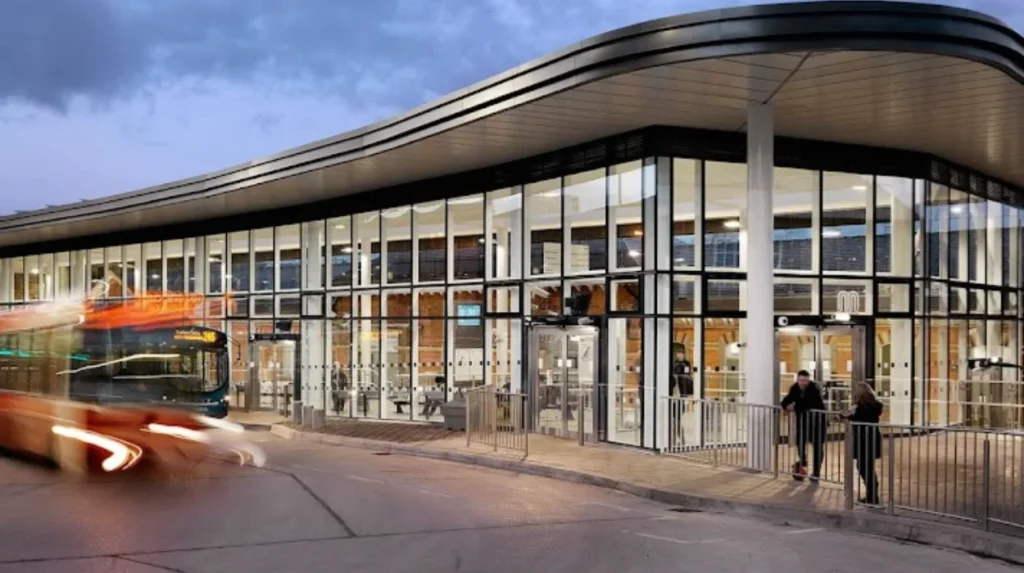
Improved connectivity transformed Altrincham from a commuter dormer to a standalone destination. The Metrolink extension in 1992 laid groundwork, but regeneration added cycle superhighways, widened pavements on Manchester Road, and real-time bus shelters linked to apps. Park-and-ride facilities at the station reduced traffic congestion by 15%, while pedestrian-priority zones encouraged strolling between market and leisure spots. These enhancements made the centre inclusive for families, cyclists, and public transport users alike.
Cultural and Artistic Integration
Art installations wove through the regeneration, turning utilitarian spaces into cultural landmarks. Bespoke Linotype-inspired benches by local sculptor Laurence McGowan on Cross Street celebrate industrial heritage, while murals on gable ends depict market history. Annual events like Altrincham Art Week, hosted in regenerated venues, spotlight emerging artists and draw creative crowds. This infusion of culture elevated dwell time, fostering a bohemian vibe that appeals to millennials and supports year-round vibrancy.